
Do Resin Driveways Need Drainage? What to Consider
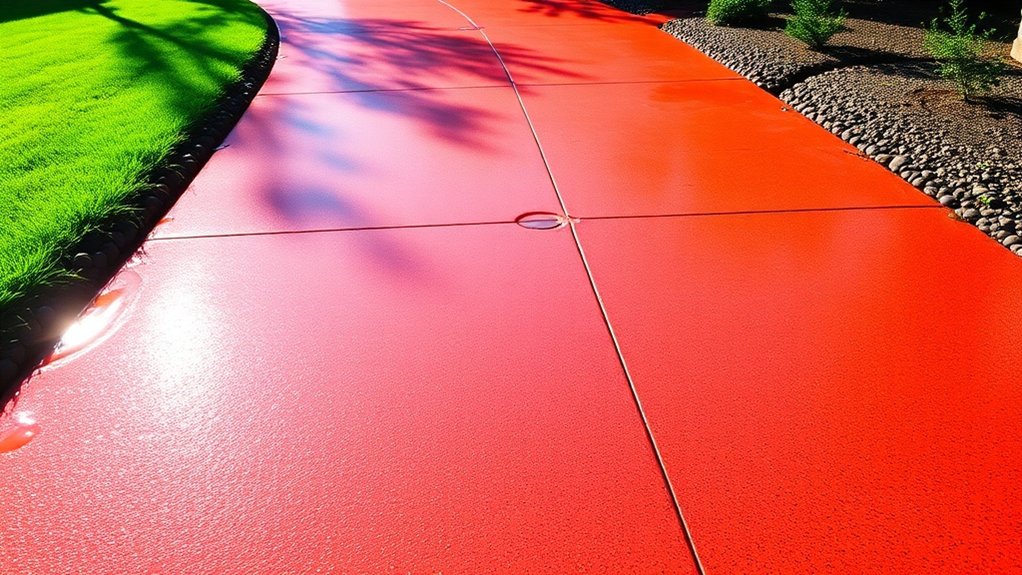
Resin driveways are designed to be permeable, allowing water to drain through, but they still require effective drainage solutions to avoid water pooling, especially after heavy rain. When planning your driveway, consider local rainfall patterns and the drainage capabilities of your soil. A proper installation includes a robust base, and you may need additional systems like channel drains or soakaways to improve water flow. Ensuring compliance with Sustainable Drainage Systems (SuDS) can enhance performance and help you avoid potential fines. These elements work together to ensure your driveway functions effectively.
Key Takeaways
Resin driveways need proper drainage to stop water from pooling and to keep the surface permeable, especially during heavy rain. It’s important to meet SUDS (Sustainable Urban Drainage Systems) standards, which help manage surface runoff and support groundwater recharge.
When installing a resin driveway, use porous base materials and ensure the base layer is well compacted for effective drainage. You might also need additional drainage solutions, like channel drains or soakaways, to handle excess water.
Regular maintenance of your drainage systems is key to keeping them working well and avoiding long-term water issues.
Understanding the Permeable Nature of Resin Driveways
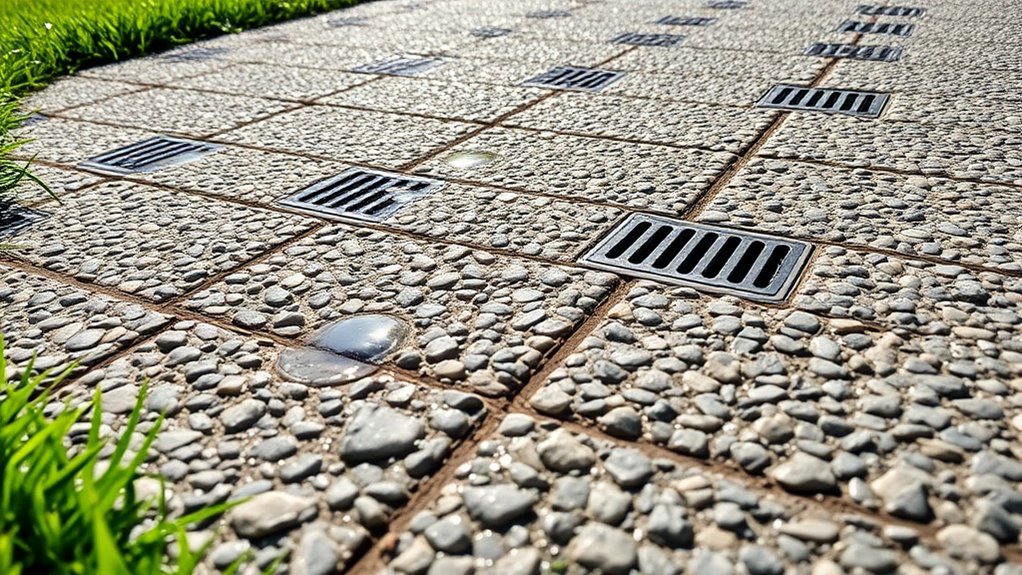
Have you ever thought about how resin driveways achieve both durability and permeability? The key is the resin coating that surrounds individual aggregate stones, which leaves intentional gaps for water to flow through.
This design creates pathways for water, preventing pooling on the surface. The size of the aggregates matters too; larger stones create bigger gaps, improving permeability. Additionally, the use of permeable options allows for effective urban drainage solutions.
Furthermore, the composition of the resin affects how porous the surface is, allowing for impressive water penetration rates of up to 95%. This combination not only reduces surface flooding but also helps recharge groundwater, promoting sustainable drainage and keeping your driveway practical and effective for years to come. Additionally, the durable resin driveways flex under stress, ensuring long-lasting performance even in changing weather conditions.
SUDS Compliance and Its Importance

Many homeowners may not realise the importance of Sustainable Drainage Systems (SUDS) compliance when installing resin driveways. However, understanding its significance is crucial for both legal compliance and environmental protection. Ignoring SUDS requirements can lead to fines, complications with planning permissions, and a heightened risk of flooding. Resin driveways are designed to achieve SUDS compliance through their permeable structure, which effectively manages surface water runoff. Additionally, implementing eco-friendly surfacing solutions supports sustainable water management practices.
Here’s a straightforward look at the benefits of SUDS compliance:
| Benefit | Importance | Impact |
|---|---|---|
| Flood Prevention | Decreases surface water runoff | Safeguards homes and roads |
| Planning Compliance | Prevents unnecessary permissions | Simplifies property sales |
| Environmental Health | Aids groundwater recharge | Boosts local ecosystems |
Assessing Environmental Conditions and Rainfall Impact

Understanding SUDS compliance is essential for assessing how environmental conditions and rainfall affect resin driveways.
An environmental assessment clarifies how rainfall patterns shape drainage requirements.
Consider these key factors:
- In areas with heavy rainfall, the permeability of resin surfaces may be insufficient, leading to water pooling.
- Well-draining soil enhances soakaway systems, whereas poor drainage necessitates alternative solutions.
- The grading of your driveway and the surrounding landscape influence water flow and help prevent pooling. Implementing a drainage system is crucial to ensure effective water management. Additionally, adhering to Sustainable Urban Drainage Systems standards can significantly improve water infiltration.
- Proper drainage must be implemented to protect nearby structures from erosion or damage.
Installation Base Requirements for Optimal Performance
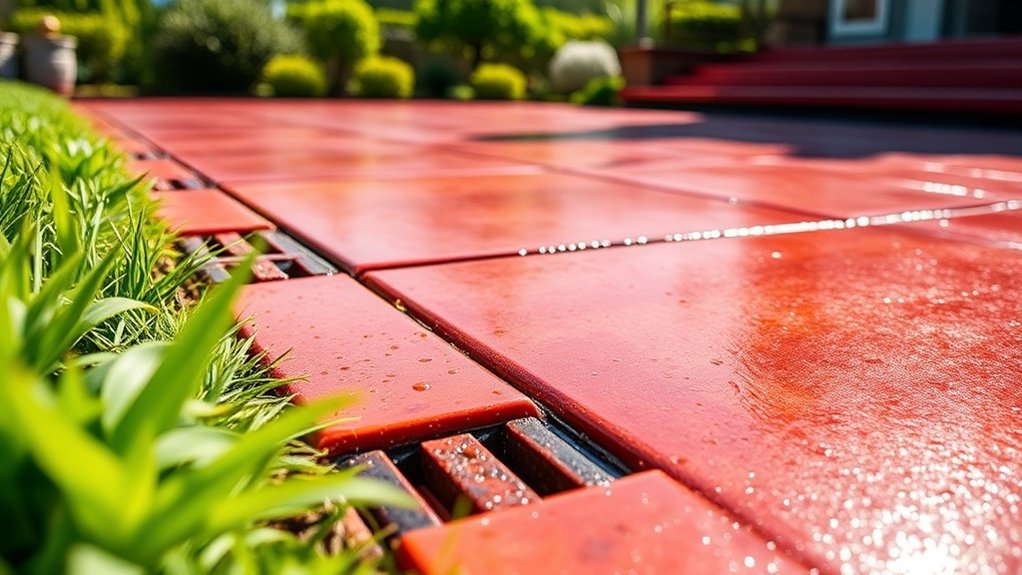
When installing a resin driveway, it’s crucial to choose porous base materials to ensure effective water drainage. This helps prevent water from pooling, which can damage the surface over time.
Porous Base Materials
Porous base materials are crucial for installing resin-bound driveways, ensuring optimal performance and durability. They improve drainage efficiency and support sustainable urban drainage systems (SuDS).
Here are some key points to consider:
- Opt for open-graded tarmac, porous concrete, or no-fines concrete to ensure permeability.
- Install a base layer of at least 100–150mm to promote effective water drainage.
- Ensure the base is clean, dry, and free from debris before you start.
- Properly compact the base to avoid future settling issues.
Sub-base Water Percolation
For resin-bound driveways to perform optimally, the sub-base’s composition and installation are crucial for effective water drainage.
Using crushed stone and open graded porous tarmac over MOT type 3 materials ensures excellent drainage. The chosen aggregates, which can include both natural and recycled materials, allow water to flow through at rates of up to 850 litres per square metre per minute.
It’s important to install the driveway at recommended depths—18mm for vehicles and 15mm for foot traffic—to maintain structural integrity while ensuring permeability.
A slope of 1-2% helps direct water away from buildings, preventing any pooling. Before installation, conducting soil infiltration tests guarantees that your driveway can handle rainfall effectively, ensuring good performance and compliance with environmental standards.
Exploring Supplementary Drainage System Options
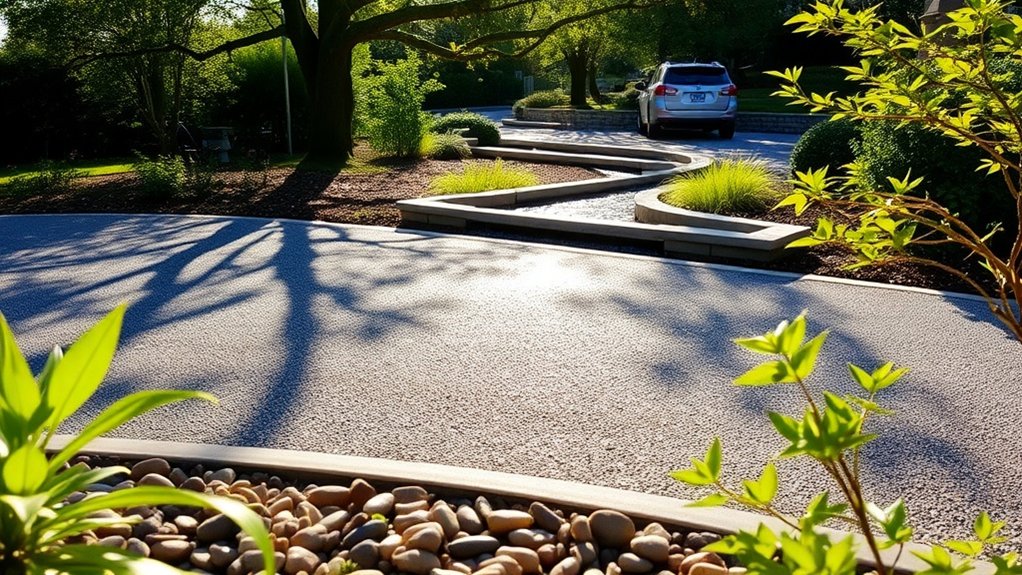
When considering drainage for your resin driveway, it’s important to look at supplementary systems such as channel drains, soakaways, and French drains.
Each of these options has its own advantages, from effectively managing surface water to promoting sustainability.
Channel Drain Installation
To ensure effective drainage for your resin driveway, consider installing a channel drain. Here are some key installation tips:
- Trench Preparation: Dig a trench that’s wide and deep enough for your selected channel drain, including a sand base and concrete surrounds.
- Slope Maintenance: Ensure the trench has a slight slope of around 1% to facilitate water flow towards the outlet.
- Channel Alignment: Begin installation at the lowest point, checking that each section is correctly aligned using a string line or laser level.
- Concrete Backfill: Pour concrete around the channel evenly for stability, allowing it to cure before allowing any traffic.
With proper planning, your resin driveway will benefit from an efficient drainage system.
Soakaway Systems Explained
Soakaway systems are vital for managing excess surface water, especially in areas that experience heavy rainfall. These underground structures collect rainwater in a pit filled with permeable materials, which allows for gradual infiltration into the surrounding soil.
When designing your soakaway, it’s crucial to size it correctly based on your roof pitch and local rainfall statistics; getting this right helps prevent overflow.
Regular maintenance is also key—clearing out silt and debris keeps the system working efficiently.
If your soil has low infiltration rates or if you’re located near a high water table, you may need to consider alternative drainage solutions.
French Drain Benefits
- Reduces the risk of water damage to foundations and basements.
- Prevents soil erosion, helping to maintain the structural integrity of paved surfaces.
- Minimises standing water, thereby reducing slip hazards and discouraging insect breeding.
- Prolongs the lifespan of your driveway and landscaping features.
The Role of Professional Installation and Warranties

When considering a resin driveway, professional installation and warranties are crucial for ensuring long-term performance and meeting regulatory standards. Hiring certified installers ensures expertise in creating permeable surfaces that comply with Sustainable Urban Drainage Systems (SUDS). Additionally, strong warranty coverage protects your investment by covering surface permeability and drainage functionality over time.
| Aspect | Importance | Benefits |
|---|---|---|
| Professional Installation | Ensures proper drainage design | Minimises risk of water pooling |
| Warranty Coverage | Safeguards against long-term performance issues | Provides assurance for water management |
| Regulatory Compliance | Prevents planning permission complications | Offers legal assurance for your driveway |
| Site-Specific Solutions | Tailors drainage to unique property features | Boosts durability and reliability |
| Quality Materials | Affects overall drainage effectiveness | Ensures structural integrity |
Investing in professional installation reduces risks, ensuring your resin driveway performs optimally.
Frequently Asked Questions
How Long Does a Resin Driveway Typically Last?
A resin driveway usually lasts between 15 to 25 years, depending on how well it’s installed and maintained. To ensure you get the most out of your driveway, it’s important to have it professionally installed and to keep up with regular maintenance. This can significantly extend its lifespan, allowing you to enjoy a durable and attractive surface for years to come.
Can I Install a Resin Driveway Myself?
Yes, you can install a resin driveway yourself! With the right tools and a bit of know-how, you can achieve an attractive surface. Just ensure you prepare thoroughly, mix the materials correctly, and work efficiently to get the best finish. For instance, take the time to properly clean and level the area before starting.
What Maintenance Is Required for Resin Driveways?
To keep your resin driveway in good shape, make sure to clean the surface regularly and tackle any stains quickly. It’s also wise to arrange for repairs as needed and conduct thorough inspections to spot wear and tear early. This will help you avoid expensive damage and maintain both the look and functionality of your driveway over time.
Are Resin Driveways Suitable for Heavy Vehicles?
Yes, resin driveways can support heavy vehicles if installed correctly. To ensure they withstand the weight, it’s crucial to have a solid base layer and a minimum depth of 18mm. This helps maintain the driveway’s strength and durability under the stress of vehicles like vans or SUVs.
How Do I Choose the Right Resin Color?
To select the right resin colour, think about your colour schemes and design style. Consider how colours will work with your surroundings; for instance, a soft blue might complement a coastal theme, while a vibrant red could add warmth to a contemporary space. Also, keep durability in mind – choose colours that will withstand wear and UV exposure to maintain their appearance over time.
Conclusion
In summary, while resin driveways are designed to be permeable, they still require proper drainage to ensure longevity and performance. You might think that adding drainage systems complicates installation, but consider the reassurance of knowing your driveway can handle heavy rainfall without flooding. Investing in a well-planned drainage system not only protects your driveway but also safeguards your home and the surrounding environment for years to come.

Prepare the perfect base for your resin bound stone installation and discover the crucial factors that ensure lasting durability.

Know where resin bound surfacing can transform spaces for both residential and commercial use, and discover the countless benefits that Read more

A stone carpet combines beauty and resilience in flooring, but what makes quartz floors uniquely beneficial? Discover the secrets behind Read more