
Does a Gravel Driveway Need Planning Permission?
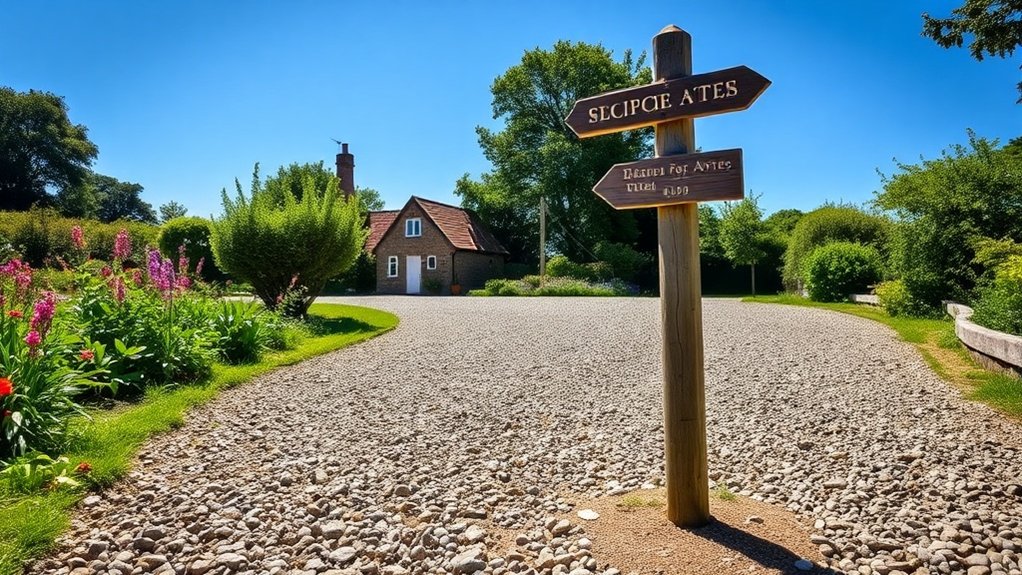
Generally, you won’t need planning permission for a gravel driveway, particularly if you use permeable materials and adhere to local regulations. If your driveway is under five square metres and has proper drainage, you should be fine. However, if you’re in a conservation area or planning significant alterations, it’s wise to consult your local council. Familiarising yourself with these rules is essential for a smooth installation.
Key Takeaways
Does a Gravel Driveway Need Planning Permission?
- Generally, you don’t need planning permission for gravel driveways that are under five square metres and made from permeable materials.
- If the driveway is larger than five square metres and uses non-permeable materials, you will likely require approval due to potential drainage issues.
- Be aware that properties in conservation areas may have stricter regulations regarding driveway designs.
- It’s best to check with your local planning authority to see if you need permission for your specific situation.
- Regular upkeep of your gravel driveway is important to meet local guidelines and to avoid drainage problems.
Understanding Gravel Driveways
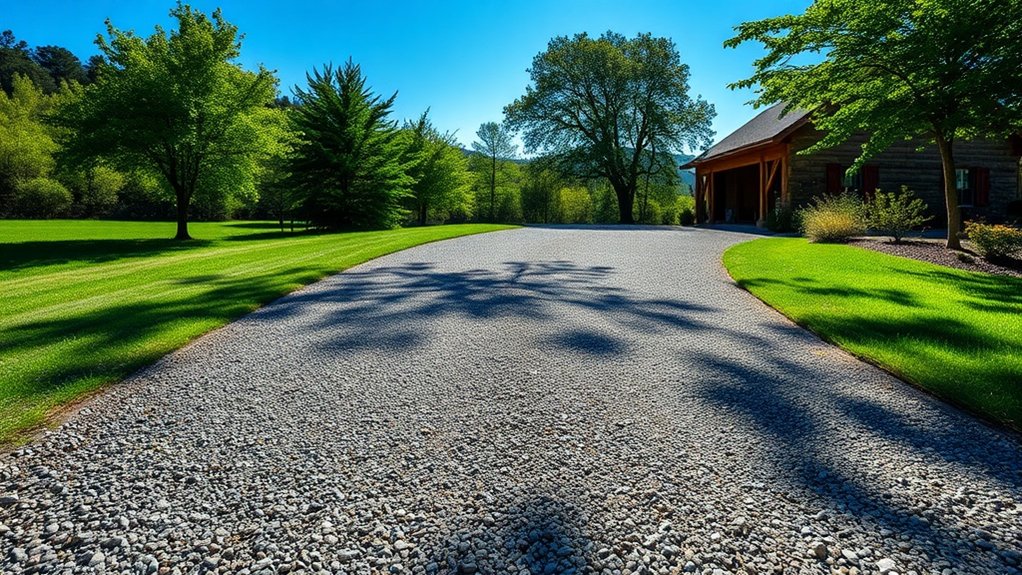
When considering a gravel driveway, it’s important to grasp its key features and benefits. Gravel driveways consist of loose gravel laid on a prepared surface, offering durability and permeability. Common types of gravel include crushed limestone, decomposed granite, and pea gravel, each with its own aesthetic and functional advantages. Installation requires careful site preparation, including clearing any vegetation and grading the area for proper drainage. A solid sub-base of compacted crushed stone is essential to ensure vehicle loads stability under vehicle loads. Adding a middle layer of finer stone can further improve drainage, contributing to long-term value by reducing the need for frequent maintenance. By understanding these elements, you can create a practical and attractive gravel driveway that suits your needs and complies with local regulations.
Permeable Surfacing Explained
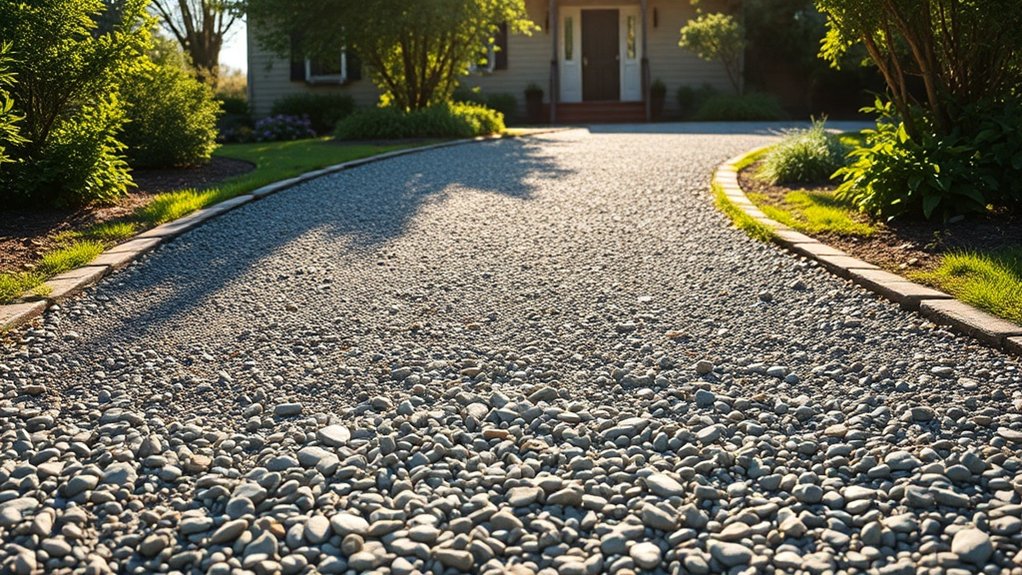
Permeable surfacing is crucial in modern landscaping and urban development, primarily for its water management capabilities. Materials like permeable pavers, porous asphalt, and gravel allow rainwater to seep through, reducing surface runoff and flood risks. This not only helps replenish groundwater but also filters pollutants, benefiting the environment. Permeable driveways offer an eco-friendly method for managing stormwater, effectively reducing flooding by absorbing rainwater. Additionally, they support sustainable drainage solutions, enhancing the overall efficiency of water management systems.
In the UK, local regulations often require permeable surfaces for new driveways to meet drainage management standards, helping you avoid fines. Proper installation is essential to maximise these benefits, offering a sustainable solution that combines aesthetics with functionality. When considering a gravel driveway, understanding these factors can enhance your compliance and ecological responsibility.
When Planning Permission Is Not Required

Planning permission isn’t always required for building a driveway, especially if your property has permitted development rights.
If you opt for permeable materials like gravel, you generally won’t need permission, provided the surface area is under five square metres and drains properly. This way, you can maintain the look of your driveway while ensuring safety, particularly near busy roads. Additionally, using permeable materials can help you avoid the need for planning permission altogether. Proper drainage management is essential to prevent surface water runoff, which can lead to flooding issues.
Just remember that loose gravel needs careful placement to meet local maintenance guidelines.
However, if you live in a flat or a listed building, you’ll likely need permission, so it’s wise to check your property status first.
If you’re unsure, consult your local planning authority to avoid the costs of retrospective applications.
Following these tips can help you improve your property without the hassle of applying for planning permission.
Conditions for Requiring Planning Permission
Installing a driveway might seem simple, but there are important factors to consider regarding planning permission.
If you choose non-permeable materials, such as tarmac or concrete, and your driveway is larger than five square metres, you’ll likely need approval due to the impact on surface water drainage.
Additionally, if you plan to create or change access points from public roads, you’ll need permission for safety reasons.
Properties in conservation areas or with special designations face stricter rules, which can affect the design of your driveway.
Proper drainage is also crucial; directing rainwater to permeable surfaces can help you avoid potential regulatory issues.
Lastly, keeping up with gravel maintenance is important to ensure your driveway remains compliant with planning requirements.
The Application Process for Planning Permission
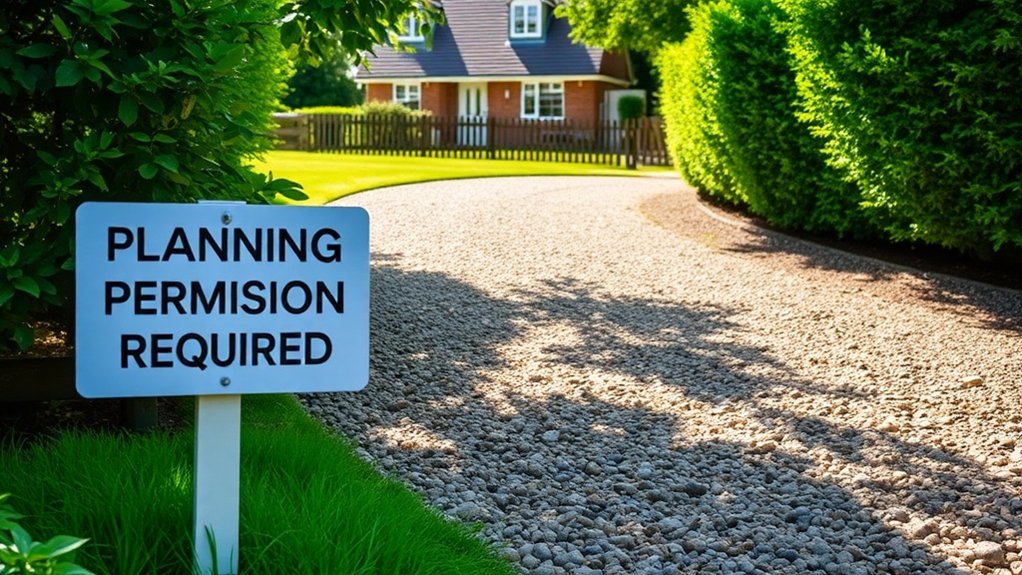
Before submitting your application for planning permission for a gravel driveway, it’s important to check with your local planning authority to see if permission is required.
Make sure to gather all necessary documents, such as scaled site plans and drainage schemes. Clearly outline the materials you plan to use and any access routes, highlighting permeable surfaces where relevant.
Once you have everything ready, submit your application form along with the supporting documents, following the guidelines provided by the authority.
Keep in mind that application fees typically start at around £150. Local authorities usually aim to make a decision within 8 weeks, but more complex projects may take longer.
Remember to keep copies of all submissions and proof of payment for your records.
Local Authority Consultation and Guidance
Understanding the requirements for your gravel driveway goes beyond just submitting an application; it’s crucial to consult your local authority. This step can save you time and money by ensuring your project meets local regulations.
Local authorities can help clarify whether you need planning permission and outline specific requirements based on your location and the details of your driveway.
- They can explain permitted development rights and any local restrictions.
- Getting in touch early can prevent expensive retrospective applications.
- Many authorities offer pre-application advice services to guide you.
The Importance of Correct Installation
When installing a gravel driveway, it’s essential to ensure proper drainage, choose the right materials, and adhere to best installation practices.
Each component must work together to create a stable foundation that can support vehicle weight and cope with the UK’s varied weather.
For instance, if drainage is overlooked, water can pool, leading to erosion and costly repairs.
Neglecting these aspects can compromise the driveway’s durability and structural integrity over time.
Proper Drainage Techniques
Proper drainage techniques are crucial for maintaining the durability and performance of your gravel driveway.
Poor installation can result in serious problems like erosion and water pooling. To manage water effectively, consider these drainage solutions:
- Create a slight slope or crown on the driveway to direct water away from the centre.
- Install perforated drainage pipes in trenches to effectively channel excess water.
- Use porous pavers and layered gravel to improve drainage and stability.
Material Selection Guidelines
Choosing the right materials for your gravel driveway is crucial for both its appearance and long-term upkeep. Different types of gravel vary in durability, drainage, and looks, all of which affect how well your driveway lasts.
Take into account your local climate and soil conditions, as these will influence which materials are suitable. While budget may be a concern, there are affordable yet resilient gravel options that can meet your requirements.
It’s also important to check local regulations on permissible materials. For example, crushed stone is ideal for areas with heavy traffic due to its stability, while pea gravel is great for improving drainage.
Installation Best Practices
Selecting the right materials is crucial for a gravel driveway, but proper installation is what ensures its longevity. A well-installed driveway not only looks good but also reduces maintenance issues down the line.
Here are some best practices to consider:
- Excavate the topsoil to a depth of 150 to 300 millimetres and shape the subgrade with a slope of 2% to 5% for effective drainage.
- Use a well-compacted base layer of coarse crushed stone, ensuring it’s free from fines to aid in drainage.
- Compact each layer thoroughly and maintain a minimum thickness of 50 millimetres for the top layer to prevent erosion.
Additional Considerations for Gravel Driveways
When planning a gravel driveway, it’s important to consider several factors that impact its durability and performance.
Regular maintenance is key; raking the gravel monthly helps to keep it even, while checking for potholes every few months allows you to address any issues after heavy rain.
Ensure proper drainage by creating a crown on the driveway to direct water to the edges, and keep side ditches clear. Installing culvert pipes can also help prevent water pooling.
Additionally, you should replenish gravel every one to three years to maintain its depth and load-bearing capacity.
Professional Advice for Driveway Projects
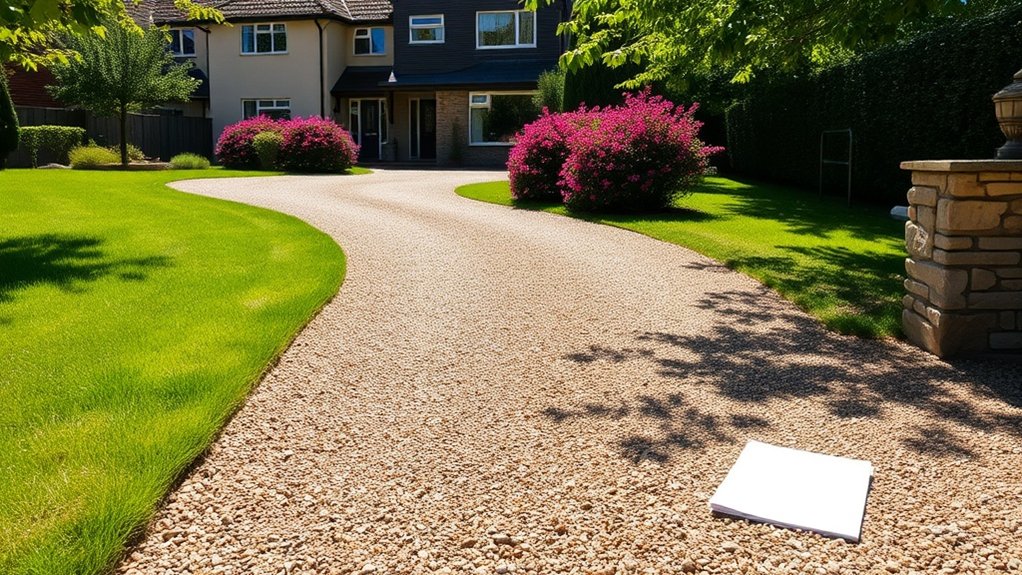
Before starting your driveway project, it’s essential to seek professional advice to ensure a smooth process and compliance with local regulations. Consulting with your local planning authority will help confirm that your gravel driveway meets permitted development requirements while also improving its appearance.
- Make sure you understand drainage regulations to prevent future issues.
- Learn the best practices for maintaining gravel to extend its lifespan.
- Check for any limitations on size or materials.
Professionals can guide you through the complexities of planning permissions, helping you choose the right permeable materials. This proactive approach can save you from costly mistakes and ensure your project complies with the General Permitted Development Order (GPDO) 2008 amendments.
Frequently Asked Questions
Can I Use Recycled Materials for My Gravel Driveway?
Yes, you can use recycled materials for your gravel driveway. Not only is this environmentally friendly, but it can also save you money. Just ensure that the materials comply with local regulations for drainage and durability to keep your driveway functional and within the law. For example, crushed concrete or reclaimed brick can work well, as long as they’re suitable for your area’s conditions.
How Do I Maintain a Gravel Driveway?
To maintain a gravel driveway, regular upkeep is essential. Rake it monthly to keep the surface even, address any potholes as soon as they appear, and ensure proper drainage to prevent water pooling. This routine maintenance not only extends the life of your driveway but also saves you from costly repairs and improves your home’s curb appeal.
Is There a Specific Depth for Gravel Layers?
For optimal gravel thickness, aim for a total depth of 150-250 mm. This ensures proper drainage. A well-compacted base layer is crucial for stability, while correct layering helps prevent erosion and keeps your driveway intact, even with varying traffic.
Can I Install Edging Around My Gravel Driveway?
Yes, you can install edging around your gravel driveway. Opt for durable materials like brick or stone. Ensure proper installation to maintain stability and prevent gravel from spilling out. Always check local regulations before starting your project.
What Color Gravel Is Best for Aesthetics?
Selecting the right colour of gravel can enhance your driveway’s visual appeal. Light shades can brighten up the space, while darker tones add a touch of sophistication. Earthy colours can help the gravel blend in with natural surroundings. Each choice creates a unique atmosphere for your property.
Conclusion
In summary, a gravel driveway can improve your property’s look and usability, but it’s important to be aware of planning permission requirements. While laying gravel may seem simple, neglecting to check for permissions can cause issues later. It’s crucial to balance the aesthetic appeal with local regulations. Whether you’re installing a new driveway or replacing an existing surface, knowing the legal requirements can help you avoid delays and complications.
How can a tarmac driveway enhance your home's appeal? Discover the key aspects of cost, installation, and maintenance in our Read more
Wondering if a tarmac driveway is the perfect fit for your home? Uncover the essential pros and cons before making Read more
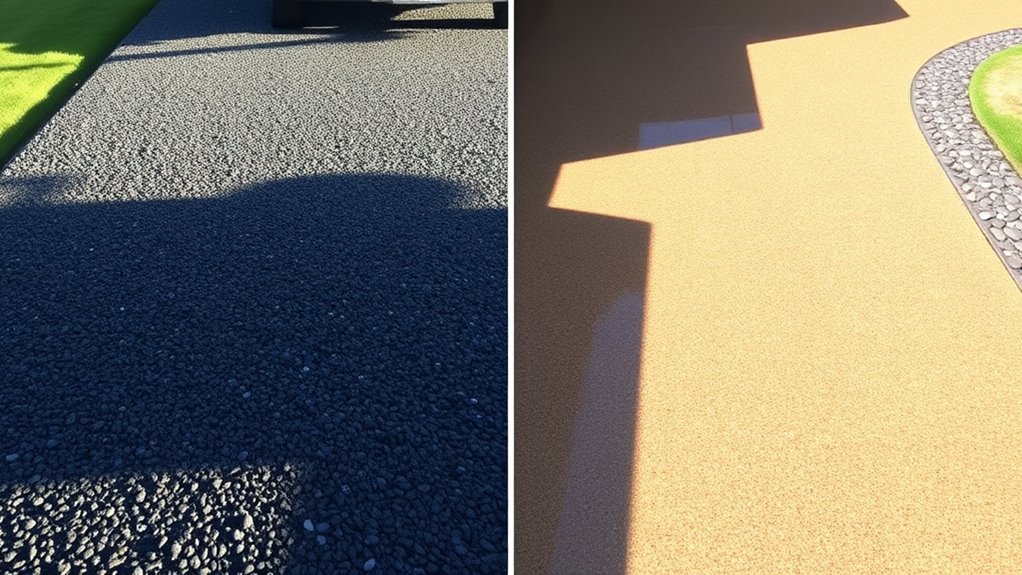
Choosing between a tarmac and resin driveway can be challenging; discover the key factors that could influence your decision.