
Manchester Driveway Regulations: A Complete Guide for Homeowners
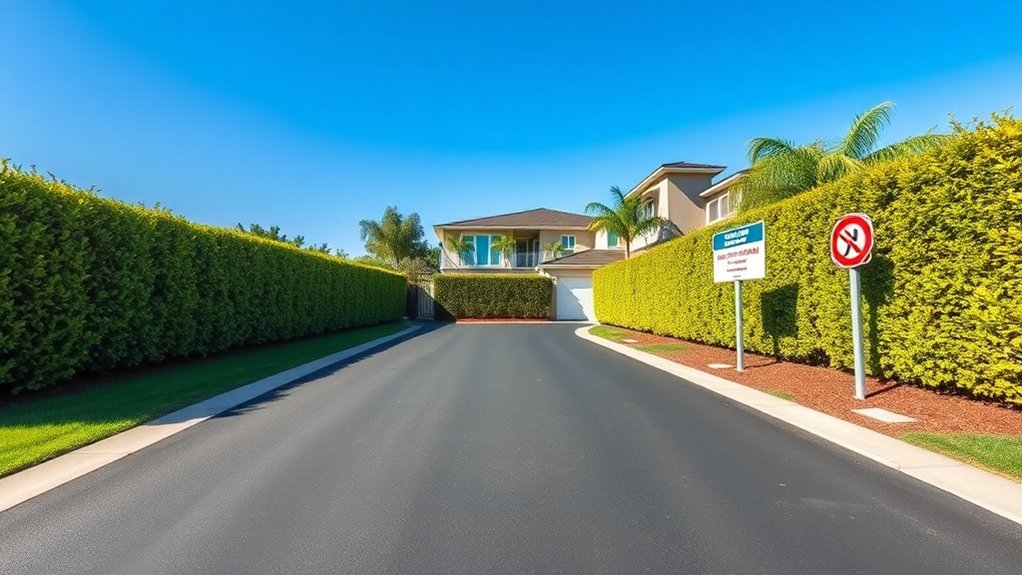
In Manchester, it’s important for homeowners to grasp driveway regulations. You can typically install a driveway using permeable materials without needing planning permission, provided it covers no more than 50% of your front garden. However, if you’re considering non-permeable surfaces, you may require approval, particularly if they direct water onto public roads. Additionally, a side yard setback of 1.5 metres must be maintained. Be aware of specific exemptions and the application process, as there are crucial details to consider!
Key Takeaways
- If your driveway covers more than 50% of your front garden, you will need planning permission, particularly if you’re using non-permeable materials that could direct water onto public roads.
- To bypass the need for planning permission, opt for permeable materials like gravel, which allow water to drain properly and help prevent flooding.
- New driveways in Manchester must have a 1.5-metre side yard setback, but this rule does not apply to shared driveways.
- You can apply for planning permission online via the Planning Portal. Be prepared to submit a scaled site plan and proof of zoning compliance. The application fee for homeowners is £262.
- After applying, you should receive a decision within eight weeks, although more complex applications may take longer. Be aware that inspections will take place during construction, and you’ll need a separate licence if you’re planning to install dropped kerbs.
Understanding Permitted Development Rights for Driveways

When planning a new driveway, it’s important to know your permitted development rights, as they can help you avoid unnecessary costs and delays.
If you choose permeable materials like gravel or porous asphalt, you won’t need planning permission, as long as your driveway covers no more than 50% of your front garden. This allows rainwater to drain properly, reducing the risk of flooding. Additionally, these permitted development rights are aimed at simplifying the process for homeowners looking to enhance their properties. Proper drainage is essential to ensure compliance with UK regulations.
Just ensure the driveway remains within the boundaries of your property. If you’re considering a gravel surface that’s under five square metres, you’re good to go.
However, be aware that flats or properties with planning restrictions may have different regulations. Always check with your local authority to make sure your driveway meets all necessary guidelines.
When Planning Permission Is Required
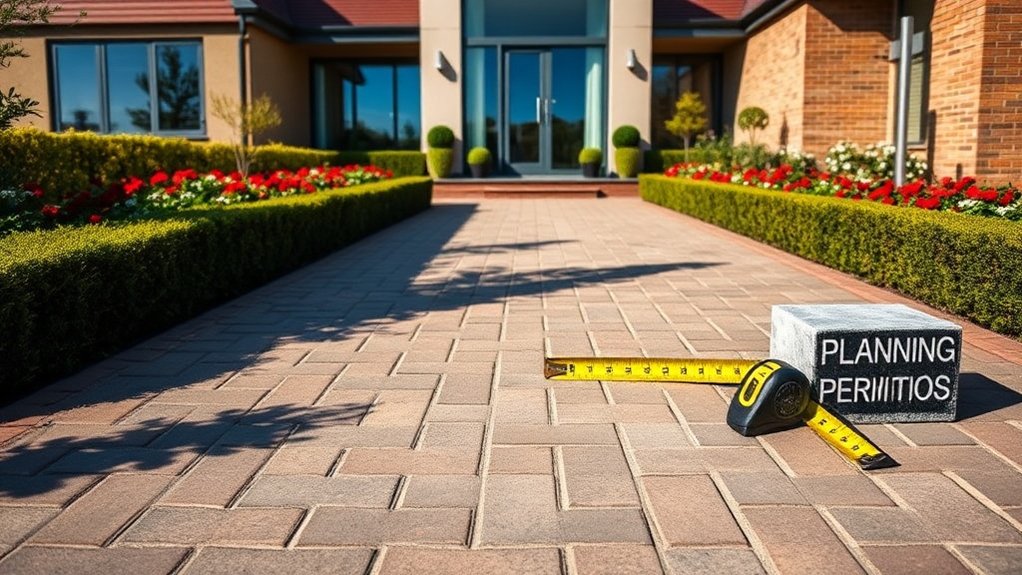
You may need planning permission for your driveway project if certain conditions apply.
For instance, if you plan to use non-permeable materials that direct surface water onto a public road, you’ll require permission. Additionally, creating a new vehicle access point, especially if it involves dropping the kerb, usually needs council approval. If your property is located in a conservation area or has had its Permitted Development rights removed, stricter regulations will apply. Significant alterations to your driveway’s size may also necessitate planning permission.
To avoid complications, consider using Sustainable Drainage Systems (SuDS) for effective surface water management, as compliant designs can sometimes eliminate the need for permission altogether. Furthermore, a permit is needed for new concrete driveways larger than 40 square metres, which is crucial to keep in mind during your planning process. Always check with your local council for specific requirements regarding driveway installations to ensure compliance with local regulations.
Exemptions and Exceptions for Driveway Installations
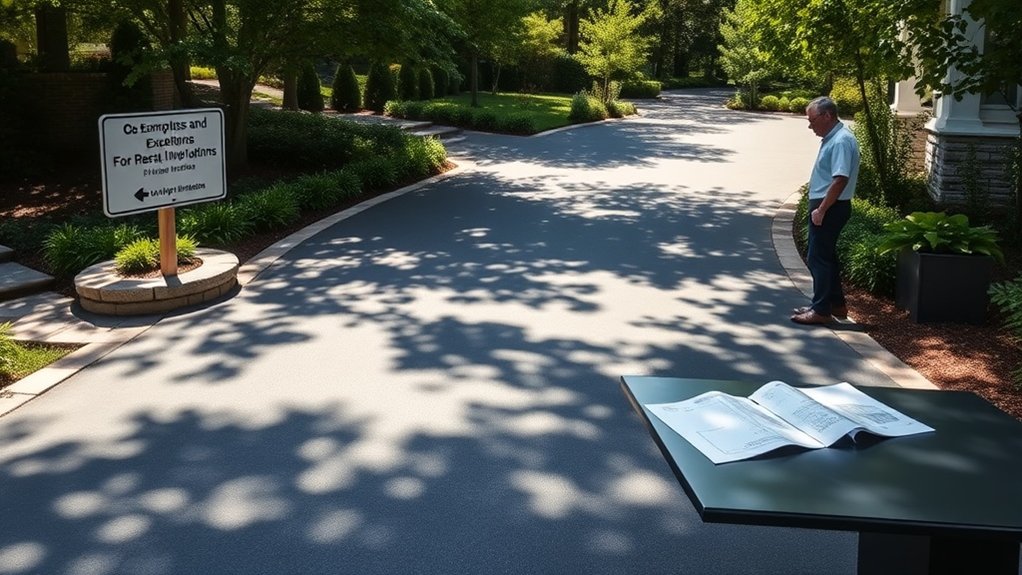
Understanding the exemptions and exceptions for driveway installations can help you avoid unnecessary delays.
If you opt for permeable materials like gravel or porous blocks, you won’t need planning permission, no matter the size. This is beneficial for managing surface water, as these materials allow rainwater to drain into the ground. Additionally, implementing Sustainable Drainage Systems can further enhance water absorption and reduce flooding risks.
For smaller driveways under 5 square metres with non-permeable surfaces, no permission is required either.
If your driveway is within your residential boundary and doesn’t alter the access points to the road, you’re likely exempt. However, be aware that homes converted from commercial properties may still need permission. Always check with your local council for specific exemptions related to your installation. It’s also important to remember that proper drainage is essential to prevent surface water runoff and flooding, especially if the driveway exceeds 5m² in the UK.
Special Property Restrictions in Manchester
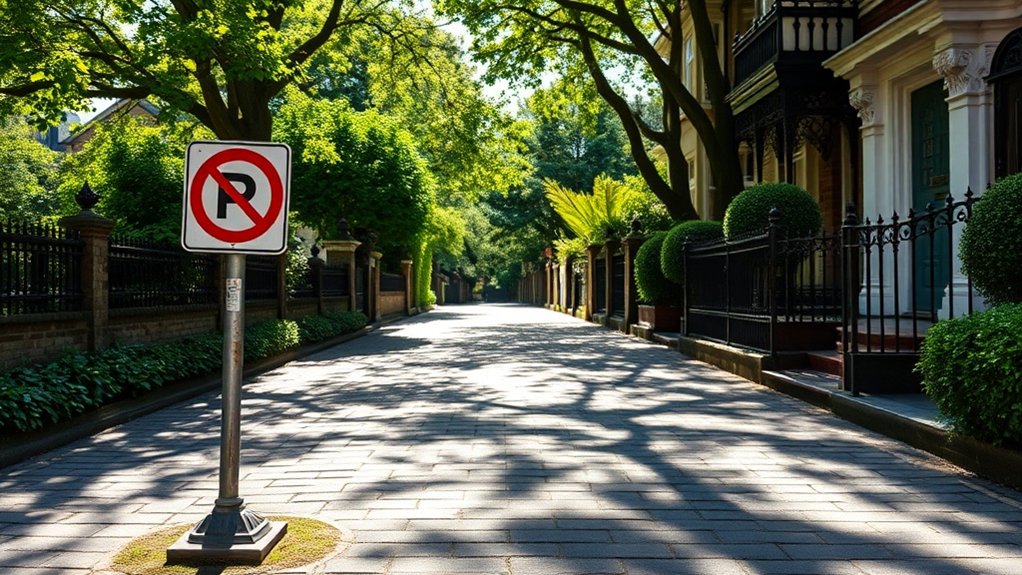
If you’re planning to install a driveway in Manchester, it’s crucial to understand the property restrictions that may impact your project. Key considerations include the property boundaries; you must maintain a 1.5-metre side yard setback, and no driveway flare is permitted within this area. Furthermore, your driveway must comply with lot coverage limits, which take into account all impermeable surfaces.
Here’s a brief breakdown of driveway material options and their corresponding regulations:
| Material Type | Requirements | Special Notes |
|---|---|---|
| Asphalt | 50mm on 100mm gravel base | Meets surfacing standards |
| Concrete | 150mm with wire mesh on compacted base | Requires proper sub-base |
| Pavers | Laid on adequately compacted base | Must adhere to surfacing guidelines |
| Shared Driveways | Exempt from 1.5-metre setback | Still needs to follow other regulations |
Be sure to consider these factors to ensure your driveway installation goes smoothly and complies with local regulations.
Application Process for Driveway Permissions
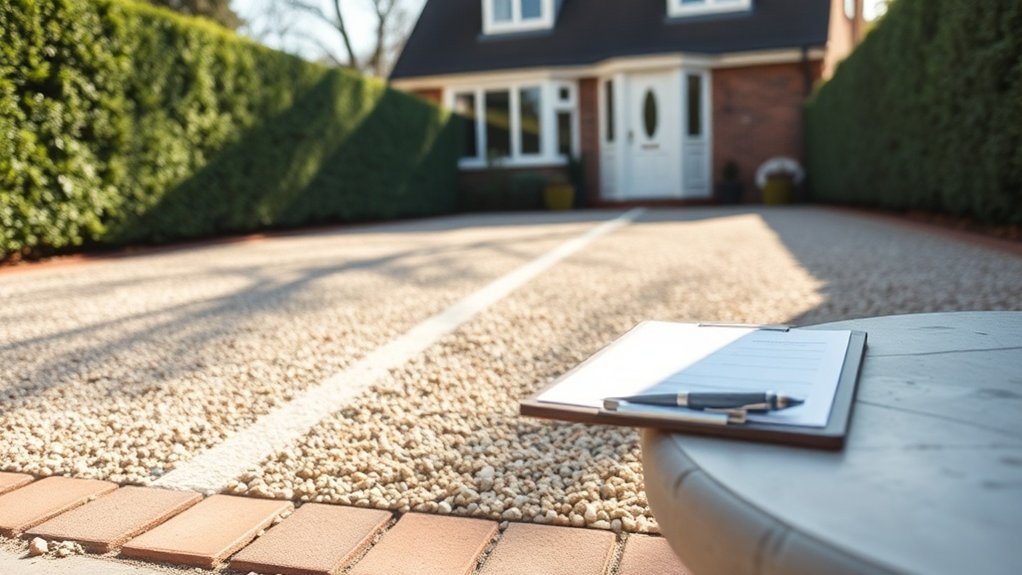
Before starting your driveway project in Manchester, you’ll need to apply for driveway permissions to ensure you meet local regulations.
Start by applying online through the Planning Portal for Manchester City Council. Fill out the standard form, attach the necessary documents, and pay the required fees.
Your application should include a scaled site plan, design details, and proof of zoning compliance. You can typically expect a decision within eight weeks, although complex cases may take longer.
The application fee for householders is £262. Once approved, inspections will take place during construction, and you’ll need a separate licence for dropped kerbs.
Planning ahead will help avoid delays and ensure a smooth process.
Frequently Asked Questions
Can I Install a Driveway Without a Planning Application if I Live in a Flat?
If you live in a flat, you cannot install a driveway without a planning application. This is because flats usually do not have their own designated land. You’ll need to get approval from your management company or the local council for any changes regarding driveways.
What Types of Permeable Materials Are Acceptable for Driveways?
You can opt for permeable paving blocks or traditional gravel for your driveway. Both choices promote proper drainage, adhere to sustainability guidelines, and typically don’t need planning permission. With regular upkeep, they remain effective and visually appealing!
How Do I Know if My Property Is in a Conservation Area?
To find out if your property is in a conservation area, visit the Manchester City Council website. You can check the conservation area criteria and download boundary maps to see how your property aligns with designated zones.
What Are the Costs Associated With Obtaining Planning Permission for a Driveway?
To secure planning permission for a driveway, you’ll need to pay application fees, which can differ depending on your local council. It’s important to include these costs in your budget. Additionally, be prepared for other expenses such as professional fees for surveys or designs, and potential site preparation costs that may arise during the process. For instance, if your driveway requires excavation or drainage work, these can add to your overall expenditure.
Can I Appeal a Decision if My Driveway Application Is Denied?
Yes, you can appeal a denied decision regarding your driveway application. The appeal process has specific requirements. It’s important to directly address the reasons for refusal, gather any supporting evidence, and submit your appeal within the required timeframe to maximise your chances of success. For example, if your application was denied due to insufficient space, providing measurements or photos can strengthen your case.
Conclusion
Navigating Manchester’s driveway regulations can be challenging. Adhering to these rules ensures your driveway enhances your home while complying with local laws. Some homeowners might find the process straightforward, while others could encounter unexpected challenges. Stay informed and plan ahead to ensure a smooth installation that adds both value and convenience to your property.
Know the essential steps to secure planning permission for your tarmac driveway—discover key insights that could save you time and Read more
Learn about driveway width regulations and discover the essential requirements that could affect your property—find out how wide your driveway Read more
Comprehend the essential UK driveway regulations to ensure compliance and discover key factors that could impact your project and budget. Read more