How to Choose Between Tarmac and Resin for Your Manchester Home
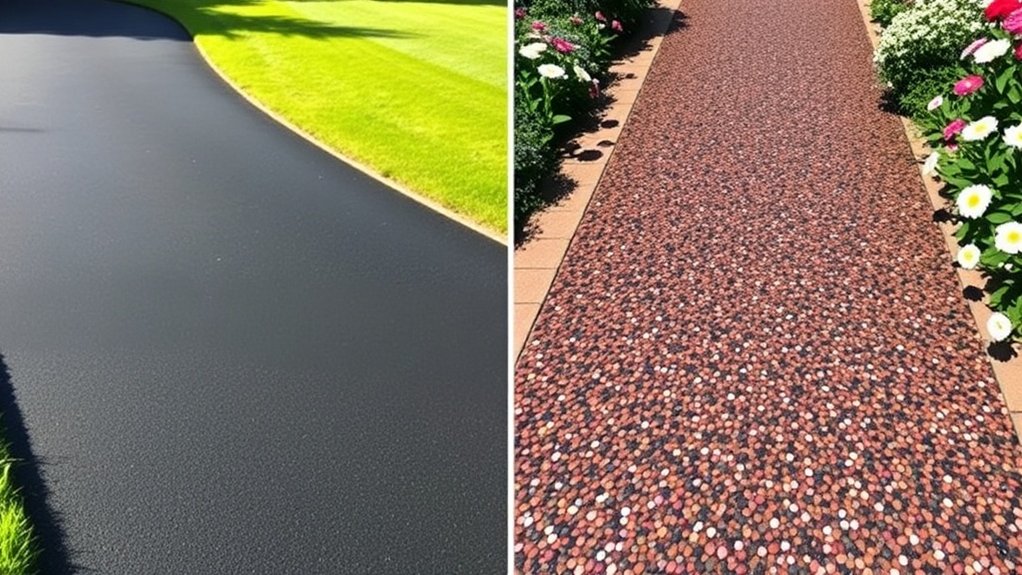
When deciding between tarmac and resin for your Manchester home, consider your budget and style preferences. Tarmac is generally cheaper upfront but may require more maintenance and repairs over time, which can add to the overall cost. In contrast, resin provides a sleek, modern appearance with less upkeep and greater durability, often making it a worthwhile investment. Think about how each option aligns with your lifestyle, and you’ll be able to choose the best fit for your home. Keep exploring for more helpful tips!
Key Takeaways
- Consider your budget; tarmac is typically cheaper upfront, but resin tends to have lower long-term maintenance costs and greater durability.
- Think about aesthetics; resin offers vibrant colours and custom designs, while tarmac has a traditional, matte finish.
- Evaluate maintenance needs; tarmac requires sealing every 2-5 years, whereas resin generally involves minimal upkeep like sweeping or a quick power wash.
- Assess durability; tarmac can crack and may need repairs, while resin is more resilient and has a longer lifespan.
- Keep in mind installation time; tarmac is quicker to install than resin, which can take an extra 2-5 days due to its more complex process.
Cost Comparison: Tarmac vs. Resin
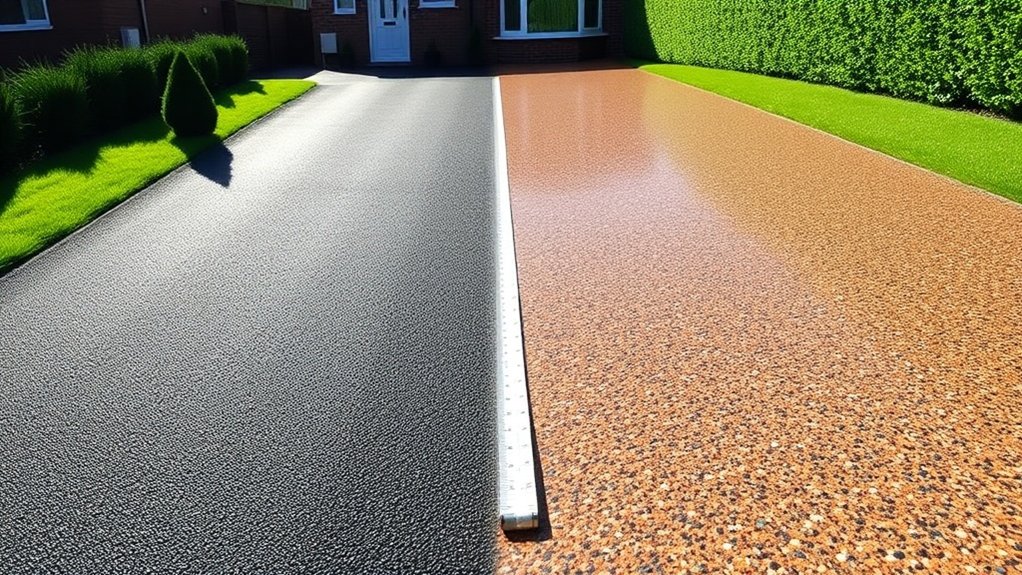
When deciding between tarmac and resin for your driveway, it’s important to consider the costs involved. Tarmac generally costs around £90 per m², while resin is pricier at about £120 per m².
The materials for tarmac are cheaper, averaging £50 per m², and installation is quicker, which can help save on labour costs. On the other hand, resin’s higher material price reflects its attractive finish but can take an extra 2-5 days to install due to more complex methods. Additionally, tarmac requires regular sealcoating and repairs to prolong its lifespan, which can increase long-term maintenance expenses. It’s also essential to note that tarmac’s lower upfront costs can be appealing for budget-conscious homeowners.
Keep in mind that prices can vary depending on your location in the UK. While resin has a higher initial cost, its low maintenance could make it a worthwhile investment over time.
Durability and Lifespan Considerations
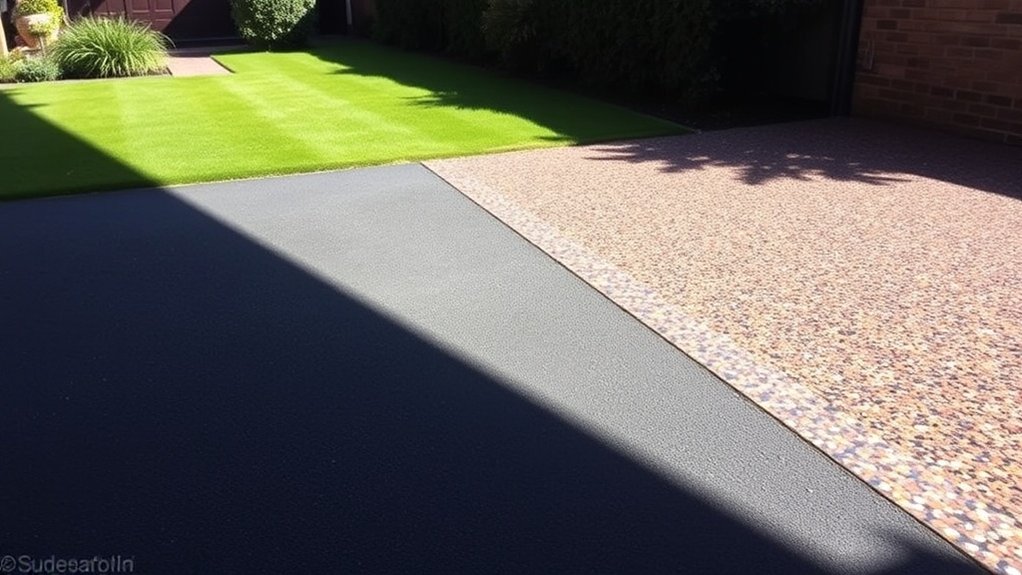
When choosing between tarmac and resin driveways, it’s important to consider their durability and lifespan. Tarmac is well-regarded for its longevity, typically lasting 15-25 years, and can reach up to 30 years with proper care. Modern tarmac formulas enhance durability and can withstand busy family use, making it a reliable choice. Additionally, proper sub-base preparation is critical for ensuring stability and extending the lifespan of tarmac driveways.
In contrast, the lifespan of resin driveways is less straightforward and often doesn’t receive the same attention as tarmac.
Here are some key factors to consider:
- Installation Quality: Choosing accredited contractors can significantly enhance durability.
- Traffic Volume: High levels of traffic or heavy vehicles can reduce the lifespan of tarmac.
- Maintenance: Regular maintenance can greatly extend the life of your tarmac driveway.
If you’re after a long-lasting surface that stands up to Manchester’s weather, tarmac might be the better option for you.
Enhancing Curb Appeal With Aesthetics
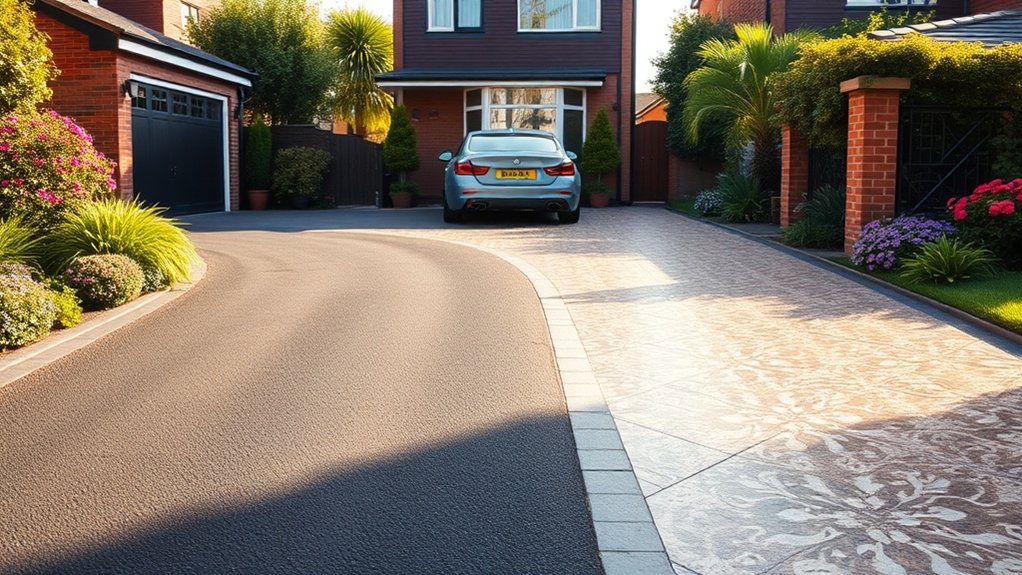
Opting for resin can significantly boost your curb appeal, thanks to its wide range of colours and design options. You might choose vibrant hues like red or green that complement your home’s style, creating a striking look that tarmac simply can’t achieve. Resin’s seamless surface mimics natural stone finishes, adding modern aesthetics while allowing for personal touches like borders and motifs. In comparison, tarmac offers a traditional, matte finish but lacks the customisation options that resin provides. Additionally, resin driveways are durable and require less frequent maintenance, ensuring your beautiful entrance remains pristine for years to come. Furthermore, the permeable surfaces of resin driveways contribute to sustainable water management practices, enhancing the overall environmental benefits of your home. If you want a driveway that isn’t only visually appealing but also reflects your individual taste, resin is clearly the superior choice for a welcoming entrance.
Permeability and Drainage Solutions
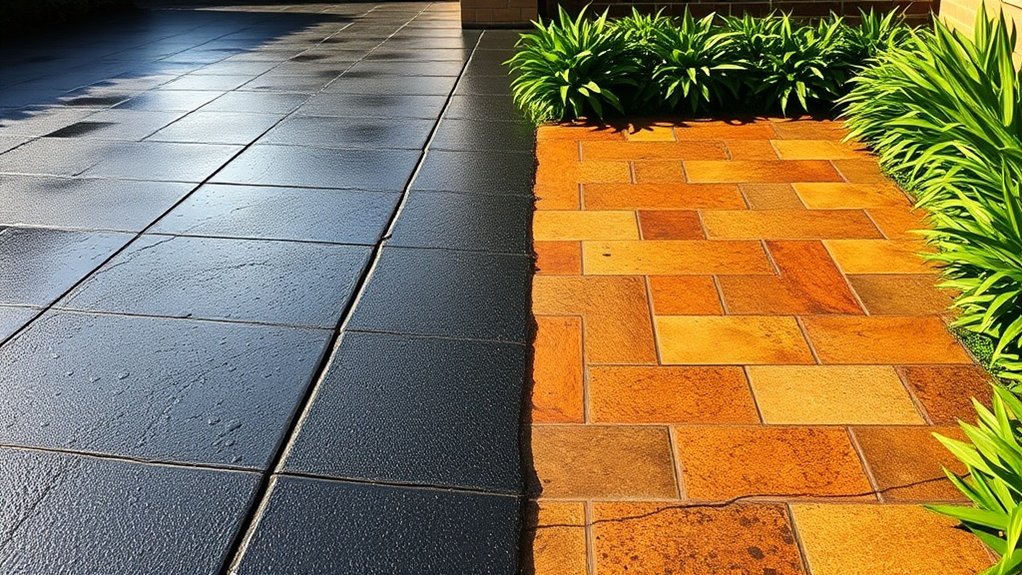
Selecting the right driveway material not only boosts your home’s aesthetics but also significantly affects water drainage and permeability.
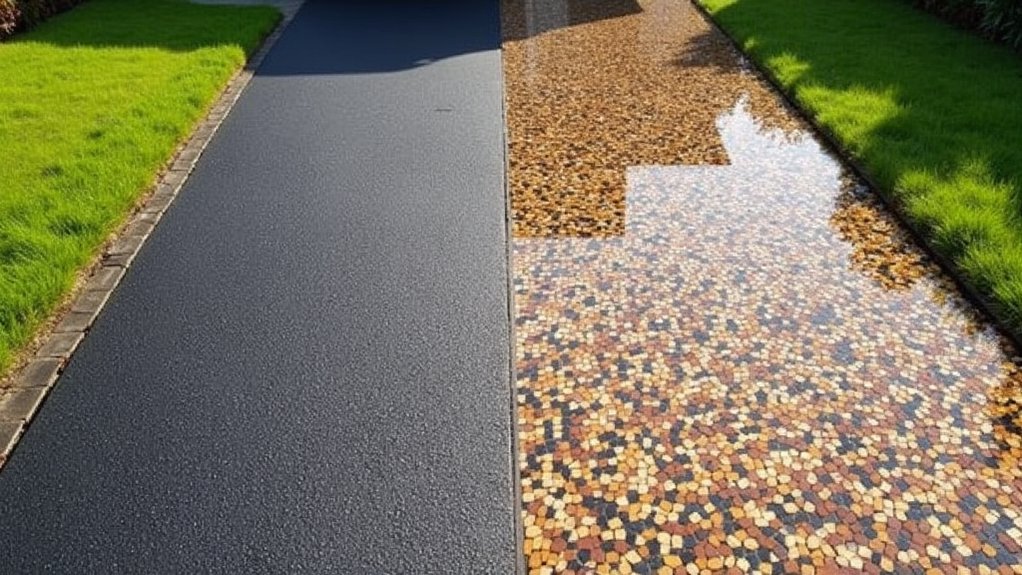
When it comes to effective drainage, resin driveways excel due to their porous design, which helps prevent water pooling. On the other hand, tarmac can struggle, often leading to flooding during heavy rainfall.
Here are some key advantages of resin for managing water:
- Prevents pooling: Minimises erosion and reduces slip hazards, enhancing safety.
- Supports sustainable drainage: Fully compliant with SuDS regulations, it helps reduce flooding risks.
- Durable performance: Ensures long-lasting drainage, resisting damage from freeze-thaw cycles.
Maintenance Requirements and Practicality
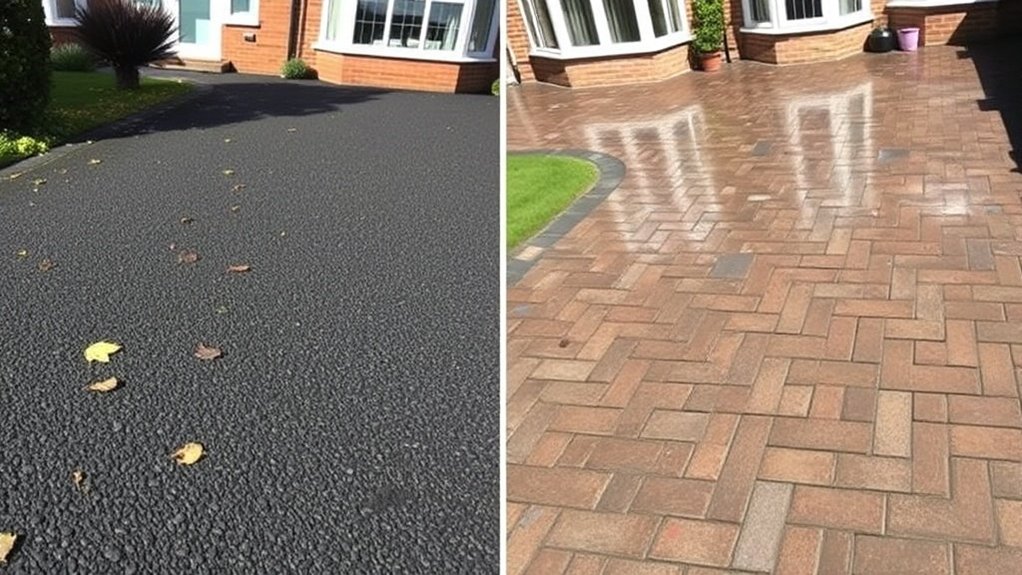
When it comes to driveway maintenance, knowing the differences between tarmac and resin is crucial for long-term satisfaction.
Tarmac needs sealing every 2 to 5 years to prevent cracks and water damage, which can add up over time. Its tendency to wear means you’ll likely face repairs, affecting its lifespan.
On the other hand, resin is low maintenance; a quick sweep or power wash is usually all it takes to keep it looking good. No frequent sealing means less hassle for you.
While tarmac may appear cheaper initially, those ongoing maintenance costs can surprise you.
Ultimately, choosing resin offers less fuss and greater durability, making it a wise investment for your home.
Environmental Impact and Local Factors
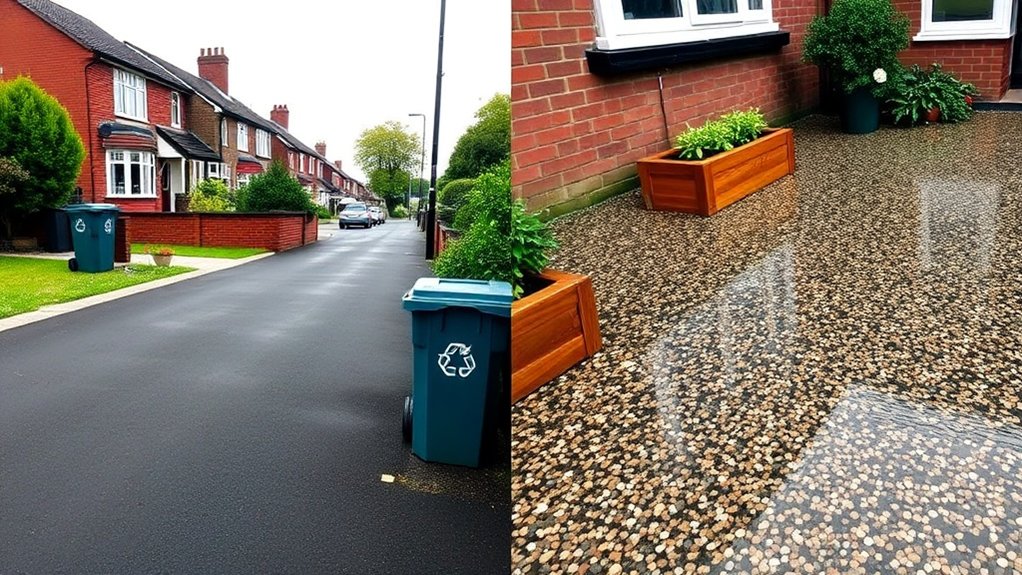
When choosing a driveway in Manchester, it’s important to consider both environmental impact and local conditions.
Resin bound driveways stand out for their sustainability, especially given the region’s heavy rainfall. Here are some key points to consider:
- Resin is permeable, which helps manage water effectively, reducing the risk of runoff and flooding.
- In contrast, tarmac is non-porous and can exacerbate drainage issues, potentially breaching local environmental regulations.
- Resin driveways often use recycled materials, giving them a lower carbon footprint than tarmac.
By opting for resin, you not only comply with local SuDS regulations but also help support urban biodiversity by keeping more garden space intact.
In Manchester’s dense urban environment and challenging weather, resin is a practical and eco-friendly choice for your driveway.
Choosing the Right Option for Your Needs
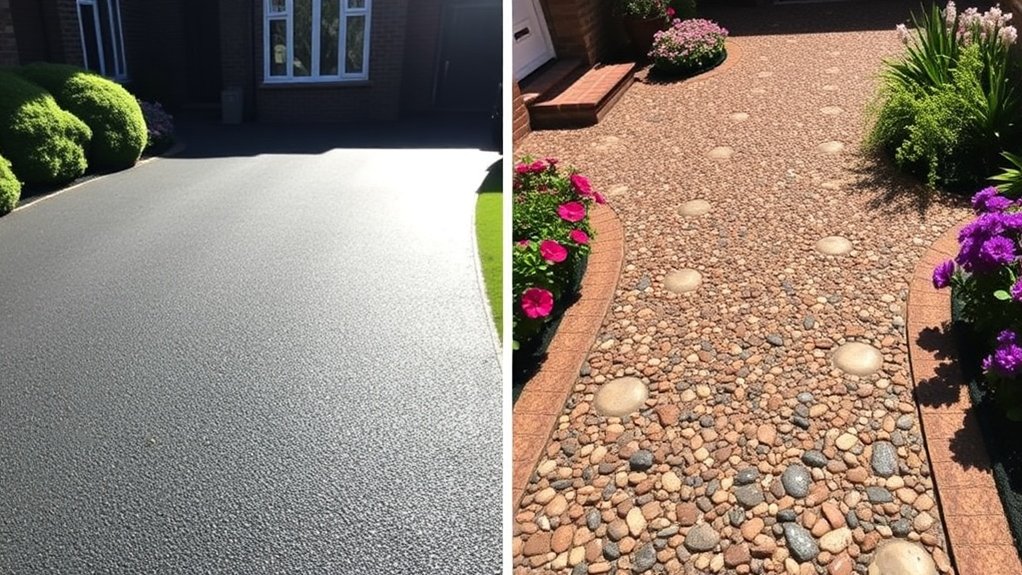
When choosing between tarmac and resin, consider cost, aesthetics, and maintenance.
Tarmac may appeal with its lower initial price, but resin offers a variety of colours and designs, requiring less upkeep.
For instance, if you want a durable surface with minimal maintenance, resin might be the better choice.
Assessing these factors will help you determine the right option for your home.
Cost Considerations
When considering the cost of tarmac versus resin for your driveway, it’s important to balance aesthetics with your budget. Here are some key points to keep in mind:
- Initial Costs: Tarmac typically costs between £50 and £90 per m², while resin prices range from £70 to £120 per m².
- Maintenance: Tarmac requires regular maintenance, which can increase costs over time. In contrast, resin generally needs less frequent care.
- Lifespan: Tarmac can last 15 to 30 years, but with proper installation, resin can match or even exceed this lifespan.
When planning your budget, consider these factors against your long-term goals. Sometimes, the higher initial cost of resin can be justified by its durability and lower maintenance requirements.
Aesthetic Preferences
Choosing the right driveway surface for your home is key to boosting its appeal.
Resin driveways come in an array of vibrant colours, allowing you to follow current trends or perfectly match your home’s style. You can select natural aggregates or even bespoke shades, making it ideal for those who appreciate a personal touch.
In contrast, tarmac offers a limited range of dark, earthy tones, which can feel a bit dull. While tarmac provides a tidy textured finish, resin delivers a smooth, modern look that resembles natural stone, enhancing visual attractiveness.
If you prioritise unique colour choices and contemporary style, resin is the better option.
Maintenance Requirements
While aesthetic appeal is important, maintenance requirements can significantly impact your long-term satisfaction with your driveway.
When comparing tarmac and resin, consider the cleaning methods and maintenance needed for each:
- Resin: Only requires occasional sweeping and power washing. Its non-porous surface effectively repels stains and weeds.
- Tarmac: Needs sealing every few years to prevent cracks and water damage, which can lead to higher costs over time.
- Repairs: Resin tends to require fewer repairs due to its durability, whereas tarmac is prone to cracks and potholes, needing more frequent attention.
In the end, choosing resin could save you time and money, making it a more attractive option for low-maintenance living.
Frequently Asked Questions
Can I Install Tarmac or Resin Myself?
You can try to install tarmac yourself, but it’s a complicated process that requires heavy machinery. As for resin, there aren’t many clear guides available, which can make the installation tricky. It’s worth comparing costs and considering hiring a professional to ensure the best results for both options.
How Do Weather Conditions Affect Installation?
Weather significantly affects your installation schedule. Resin requires dry, moderate temperatures for proper curing, while tarmac is best laid in warmer conditions. Cold and wet weather can delay resin applications, but tarmac’s flexibility allows for quicker, albeit riskier, installation in unpredictable weather.
What Are the Best Colours for Resin Driveways?
When selecting colours for resin driveways, you have a variety of options. Popular choices include warm earthy tones, neutral greys, and vibrant shades that enhance your home’s character. For instance, a rich terracotta can add warmth, while a sleek charcoal grey offers a modern touch. Ultimately, pick a colour that reflects your style and complements your property.
Are There Any Local Regulations I Should Know?
Yes, it’s important to check local permits and installation guidelines. In Greater Manchester, you’ll need to comply with Sustainable Drainage Systems (SuDS) and specific regulations, especially if your driveway is over five square metres or located in a conservation area. For instance, if you’re planning to pave a large area, make sure to look into the necessary permissions to avoid any fines or issues later on.
How Long Does Installation Typically Take for Each Option?
Tarmac installation usually takes 2-3 days for larger driveways, whereas resin installations can often be completed in just one day. Keep in mind that your timeline may change due to weather conditions, site specifics, or any necessary groundwork adjustments.
Conclusion
Choosing between tarmac and resin for your home in Manchester is much like picking the right outfit—it’s all about finding what suits your style and requirements. Think about factors such as cost, durability, and appearance. For example, if you prefer a robust solution, tarmac might be your best bet. On the other hand, if you’re after a more modern look, resin could be the way to go. Making a well-informed decision will ensure your driveway complements your home beautifully for years to come.

What's the difference between blacktop and tarmac, and which one is best suited for your specific needs? Discover the key Read more
Investing in a driveway? Discover whether tarmac or resin is the more affordable option and what long-term benefits await your Read more
Overview the cost differences between tarmac and resin driveways to discover which option truly delivers value and longevity for your Read more