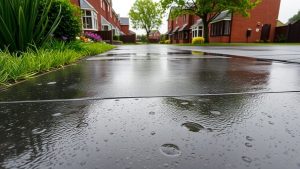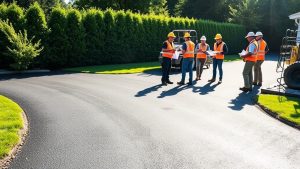
To prevent driveway surface erosion, manage water runoff with effective drainage solutions such as trench drains and water bars. Use gravel grids or permeable paving to stabilise the surface and keep materials in place. Regularly inspect and maintain your driveway, looking out for cracks and drainage problems. Plant deep-rooted native plants to improve soil stability and minimise runoff. You might also consider adding mulch or building retaining walls for extra support. Explore more strategies to ensure your driveway remains in good condition for years to come.
Key Takeaways
- Install effective drainage systems, such as trench drains and gutters, to divert water away from the driveway.
- Consider surface stabilisation methods like gravel grid systems or permeable block paving to reduce erosion.
- Plant deep-rooted native plants around the driveway to strengthen soil and decrease runoff.
- Carry out regular maintenance, including inspections and timely repairs, to tackle any early signs of erosion.
- Use sealants and resurface the driveway periodically to guard against water damage.
Control and Redirect Water Runoff
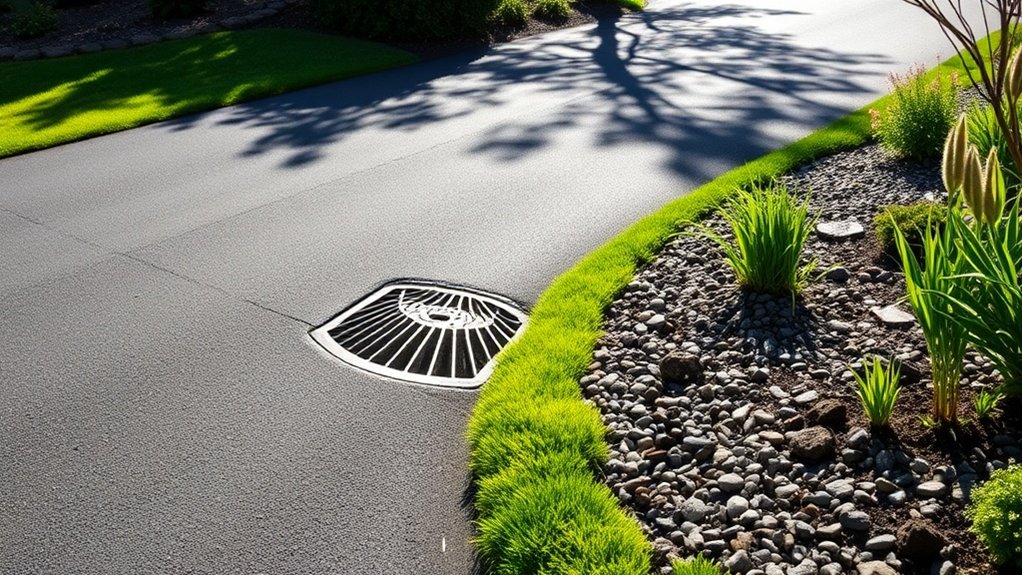
Water runoff is a major cause of driveway erosion, but you can manage it effectively.
Installing drainage solutions like trench drains and ditches helps channel water away from your driveway. Cross-driveway drains and mitered pipe inlets allow water to flow beneath the surface, preventing erosion. Placing these features on the uphill side intercepts runoff before it reaches the driveway. Proper drainage is crucial to preserve your investment and prevent costly repairs.
Using water bars and swales can slow down and redirect water, reducing its speed and erosive power.
Incorporating vegetation, such as native plants and rain gardens, not only absorbs runoff but also stabilises the soil. These approaches work together to strengthen your driveway against erosion and maintain its condition over time.
Surface Stabilization Techniques
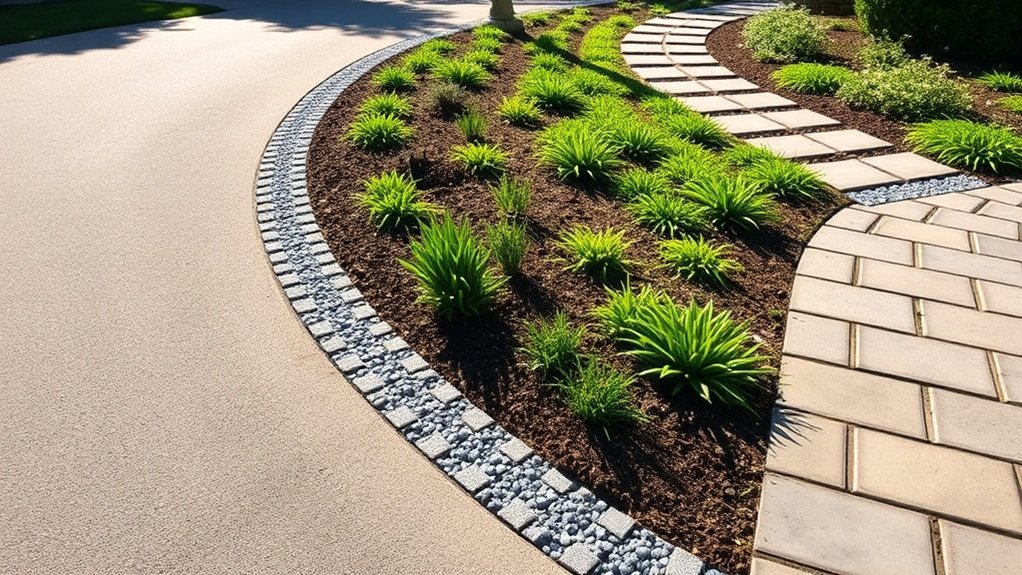
To effectively tackle driveway erosion, it’s crucial to use surface stabilisation techniques. Gravel grid systems can significantly improve stability by distributing the weight of vehicles, which helps to prevent tyre ruts and surface depressions. These grids are available in both flexible and rigid forms to suit different terrains and come in various cell sizes to accommodate different types of gravel.
- Permeable pavers are particularly effective at securing gravel in place, especially on sloped surfaces. The use of TRUEGRID pavers ensures that gravel is locked in place, preventing movement and erosion. Additionally, incorporating a proper sub-base can enhance the overall stability and longevity of the driveway.
- Soil stabilisation methods, such as NaturalPave®, bond aggregates and fines together to resist erosion.
- Ensuring proper base preparation and compaction is vital for long-lasting stability.
Implement Structural Drainage Features
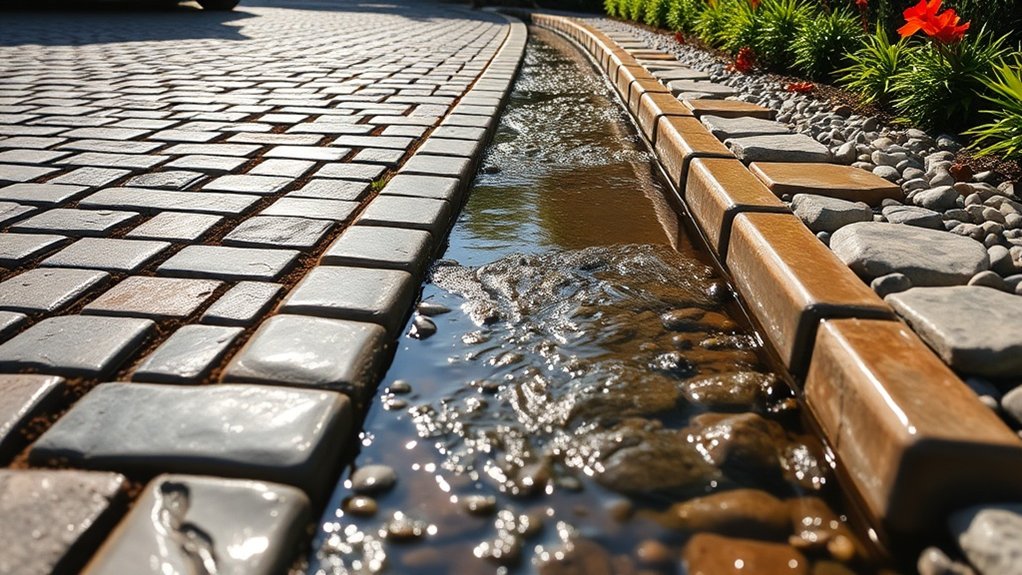
To effectively manage water flow and prevent erosion, consider installing water bars, grade break structures, and silt fences. These features are essential for redirecting runoff and reducing soil displacement. For instance, water bars can divert excess water away from your driveway, helping to maintain its structure. Implementing these solutions can significantly reduce driveway erosion caused by poor drainage. Furthermore, incorporating permeable surface design will enhance the effectiveness of these drainage features.
Water Bars Installation
Erosion can damage your driveway, but installing water bars can help prevent this by redirecting surface water and slowing its flow.
Here are some key benefits of water bars:
- Prevents erosion of the driveway and surrounding areas.
- Redirects sediment-laden water, reducing environmental harm.
- Maintains road stability, particularly on slopes and during heavy rain.
You can construct water bars using materials like wood, stones, or recycled rubber.
Ensure they’re positioned at a 30-45 degree angle and spaced according to the slope and expected rainfall to maximise their effectiveness.
Regular maintenance, such as inspections and clearing debris, is essential to keep your driveway stable and free from erosion.
Grade Break Structures
Grade break structures are essential for managing surface water on sloped driveways, helping to prevent erosion damage. By designing intentional elevation changes, these structures redirect water away from wheel tracks, reducing the risk of erosion.
Installation is straightforward with basic construction equipment and is cost-effective compared to the long-term benefits of preventing erosion.
For longer slopes, you can install multiple grade breaks to manage water flow effectively. It’s important to place them where crown maintenance is lacking to avoid pooling.
Ensure smooth transitions to maintain driver comfort while still directing water efficiently. Ultimately, grade breaks extend the lifespan of your driveway by safeguarding it against erosion and lowering maintenance costs. Additionally, incorporating proper grading techniques can enhance the effectiveness of grade breaks in managing water runoff.
Silt Fence Utilization
Using silt fences can significantly improve erosion control for your driveway, particularly when paired with drainage solutions. These fences help to slow down and capture stormwater runoff, enhancing their effectiveness in retaining sediment.
- Position silt fences around disturbed areas to efficiently trap sediment.
- Ensure the trenches are 20–30 cm deep and that the fences are securely attached to prevent washouts.
- Consider combining with features such as swales or gravel bag berms to handle heavier runoff.
Regular inspections and maintenance after heavy rain are crucial to keep the silt fences functional.
Regular Maintenance and Monitoring
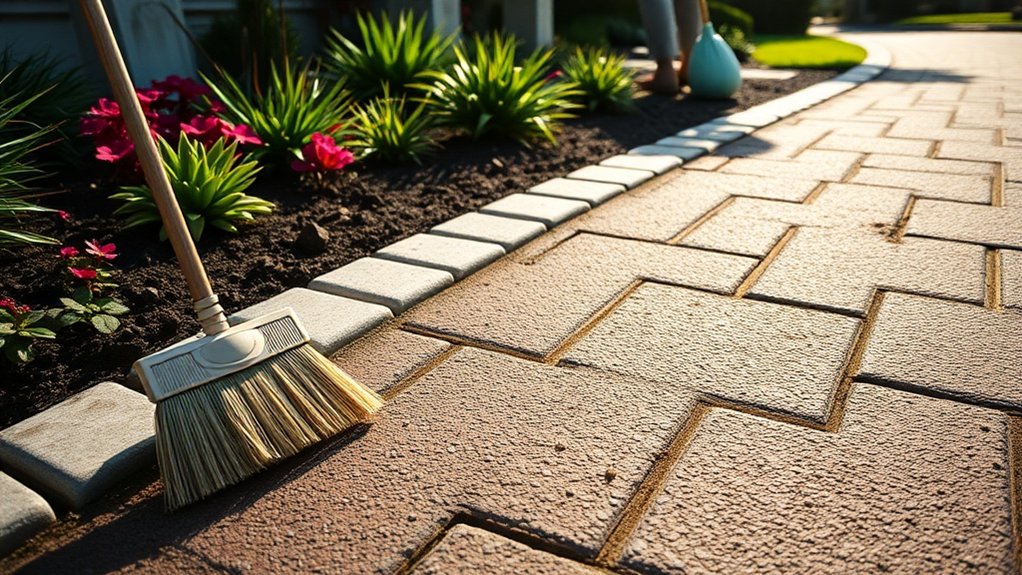
To effectively prevent driveway erosion, establish a regular inspection routine to spot early signs of wear.
Check for cracks, soft spots, and drainage issues, and address any problems promptly to prevent them from worsening.
Keeping a record of any damage will help you decide whether to tackle repairs yourself or call in a professional.
Inspect for Erosion Signs
Regularly inspecting your driveway is crucial for spotting early signs of erosion that could cause serious damage. By keeping an eye on your driveway, you can catch potential problems before they worsen.
Aim to conduct inspections at least twice a year, especially before and after winter, as well as following heavy rainfall. Look out for key indicators such as:
- Thinning or bare patches on the surface
- Small cracks or fissures at the edges
- Noticeable runoff channels or gullies
Take photos or jot down notes to track changes over time.
Pay particular attention to high-traffic areas and the edges of your driveway, as these are more prone to erosion. By monitoring erosion effectively, you can help preserve your driveway’s structural integrity and extend its lifespan.
Prompt Repair Actions
After spotting signs of erosion during your inspections, taking immediate repair actions is vital for maintaining your driveway’s integrity. Fill any cracks you see right away using suitable materials, ensuring you clean them thoroughly to avoid further damage.
Regularly apply sealant every 2-3 years to guard against water damage and UV rays. Ensure that gutters and downspouts are clear and divert water away from the driveway to prevent pooling, which can worsen erosion.
Implement effective drainage systems to manage rainwater properly. By addressing base layer damage promptly, you can avoid more extensive repairs down the line.
These quick fixes and proactive measures will help extend your driveway’s lifespan and reduce erosion risks.
Vegetative Measures Adjacent to Driveways
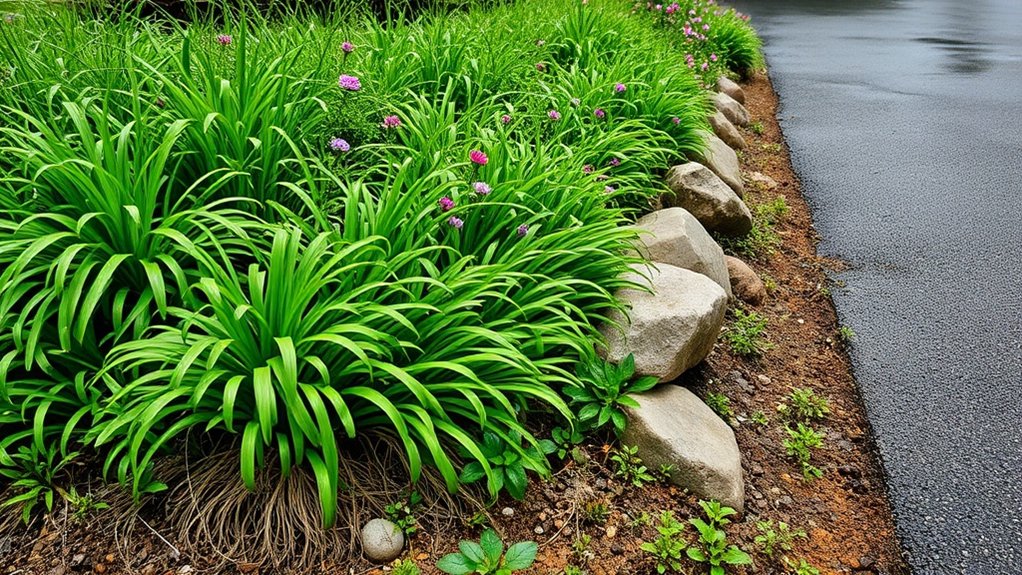
Driveway erosion can be a real headache, but using plants nearby can help tackle this issue effectively. By choosing native plants, you can stabilise the soil and prevent erosion.
Here are some practical strategies:
- Deep-rooted native plants: These are far better for soil stability than those with shallow roots.
- Ground cover plants: Their intertwined roots create a protective barrier, lessening the impact of rain on bare soil.
- Placing shrubs and trees wisely: These plants can catch rainfall and help hold soil in place, reducing erosion, especially on slopes.
Material and Design Choices for Erosion Control
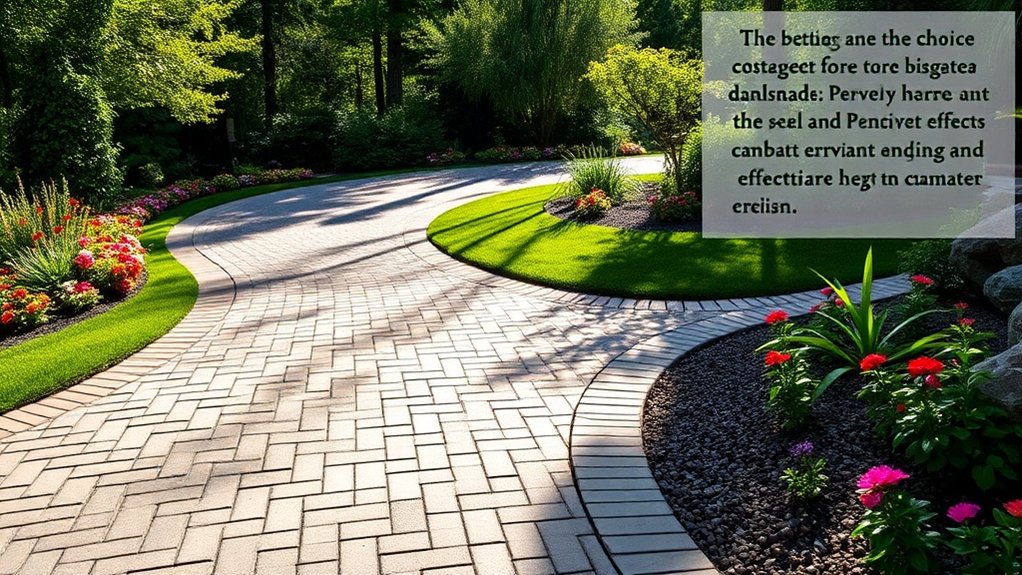
To effectively tackle driveway erosion, choosing the right materials and design is crucial.
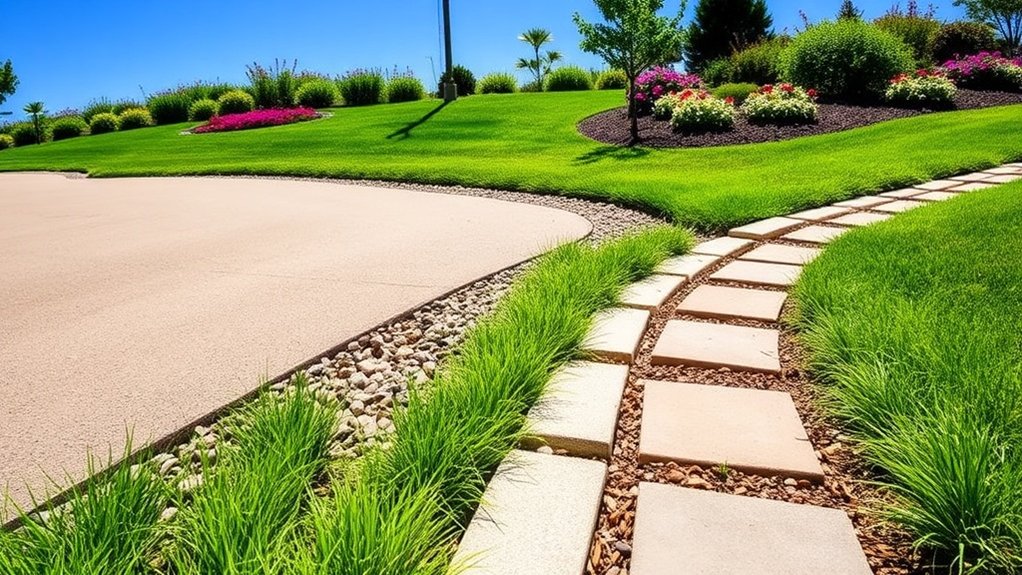
Consider permeable paving systems, which allow water to seep through, reducing runoff and aiding groundwater replenishment. Their interlocking design minimises cracking and simplifies maintenance.
Natural stone pathways can also direct water away from at-risk areas, further curbing erosion. The permeability of natural stone enhances water absorption, improving runoff management.
When selecting these materials, ensure they fit well with your landscape for a cohesive look.
Proper gravel selection and placement can disrupt water flow, while implementing French drains can boost drainage efficiency.
Together, these measures form a comprehensive approach to effective erosion control.
Utilize Ground Stabilization Mats
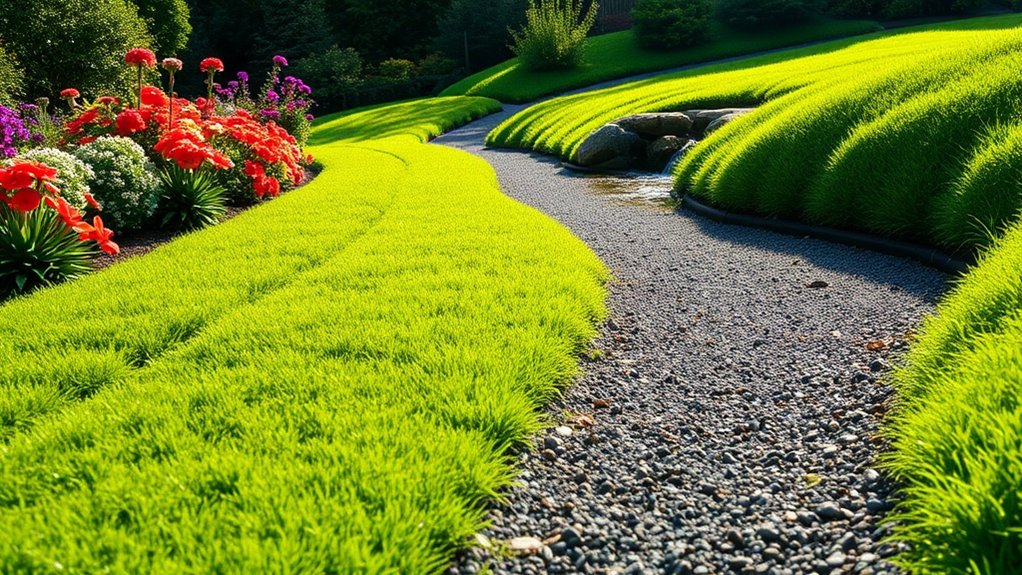
Using ground stabilisation mats effectively reduces driveway erosion by offering structural support and improving water management.
Choosing the right type, such as geocell grids or turf reinforcement mats, ensures durability with minimal upkeep.
Familiarising yourself with installation best practices and maintenance needs will enhance their performance in your driveway.
Benefits of Stabilization Mats
Ground stabilisation mats provide essential benefits in preventing driveway erosion and enhancing structural integrity. Choosing the right type of mat can help manage environmental impacts while reinforcing your driveway.
- They effectively disperse excess water, reducing soil displacement.
- Mats create a level surface, improving safety and minimising vehicle damage.
- When planted with vegetation, they encourage natural growth, helping to anchor the soil.
With their high load-bearing capacity and durability, these mats stabilise loose gravel and reduce long-term maintenance costs.
Installation Best Practices
Effective installation of ground stabilisation mats is crucial for preventing driveway erosion and ensuring longevity. Adhere to these best practices:
| Step | Description | Importance |
|---|---|---|
| Surface Preparation | Clear any debris and excavate to a depth of 100-210mm. | Establishes a stable foundation. |
| Geotextile Installation | Lay a permeable membrane to separate materials. | Improves drainage efficiency. |
| Grid Placement | Position grids in a staggered pattern, with the geotextile facing down. | Ensures even load distribution. |
| Infill Selection | Opt for gravel or crushed rock as infill material. | Offers strength and protection. |
| Compaction | Use a plate compactor to compact the infill. | Secures materials in place. |
Maintenance and Longevity Tips
To ensure your driveway remains sturdy and functional over time, regular maintenance of stabilisation mats is crucial. Following a few key tips can significantly enhance the durability and performance of your mats.
- Inspect mats every three months for any signs of displacement, tearing, or clogging.
- Remove sediment and vegetation to keep water flowing through.
- Re-secure any loose mats to prevent lifting at the edges.
By incorporating these practices, your mats can withstand various weather conditions, maintaining their integrity for over a decade.
Opt for mats with UV stabilisers if you live in sunny areas to prevent degradation. Replace any damaged sections promptly to avoid localised erosion, and consider using a pressure washer for cleaning to improve drainage.
With proper care, your stabilisation mats will offer reliable support and protection against driveway erosion.
Install Erosion Control Blankets
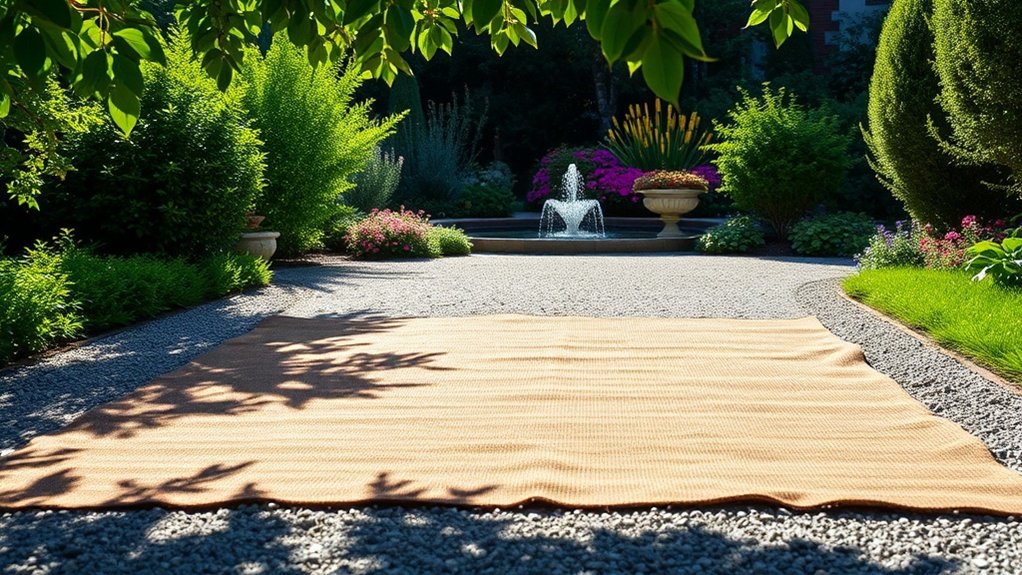
Installing erosion control blankets is essential for preventing driveway erosion, particularly in areas susceptible to water runoff.
Begin by preparing the soil thoroughly—remove any debris, rocks, and vegetation to ensure a smooth foundation. If the soil is compacted, use a tiller or pitchfork to improve contact with the blanket. Level the area to eliminate any uneven surfaces before you start laying down the blanket.
Dig a trench at the top edge of the slope, anchoring the first three feet of the blanket within it. Unroll the blanket down the slope, making sure it maintains full contact with the soil and has no air pockets.
Secure the blanket with stakes and staples, placing them at regular intervals to prevent it from shifting. Finally, check your work to ensure the blanket is properly anchored and completely covers the area.
Apply Mulch and Straw Mulching
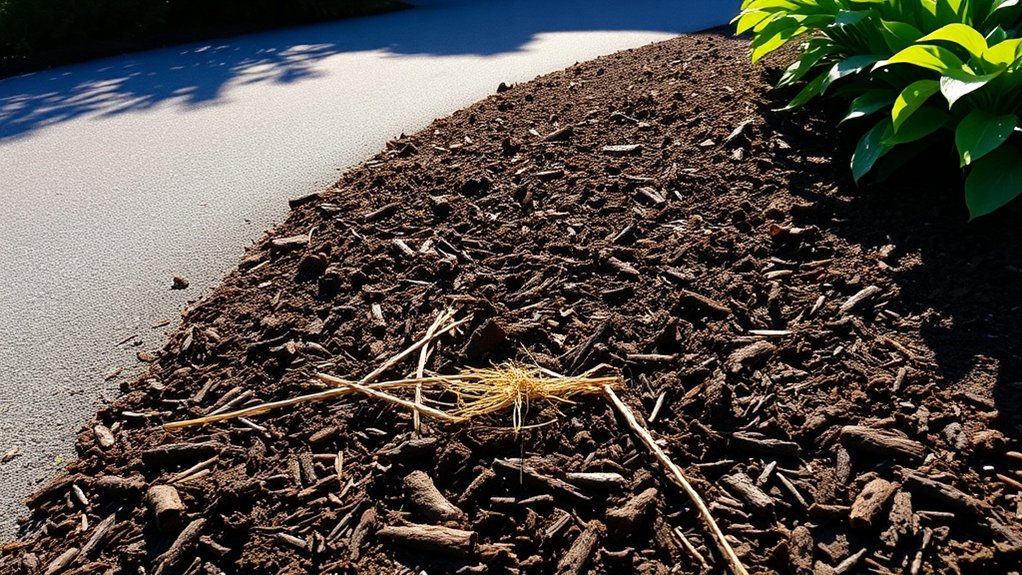
Once you’ve secured erosion control blankets, adding mulch and straw can significantly boost the stability of your driveway and protect it from erosion.
Here’s how:
- Apply 5 to 10 cm of mulch to effectively shield the soil without blocking water infiltration.
- Use dry, unchopped straw, ensuring it’s anchored well to prevent it from being blown away by wind or washed away by rain.
- Aim to cover 80–90% of the soil surface with mulch on slopes for optimal erosion control.
These simple steps can make a big difference in maintaining the health of your driveway.
Build Retaining Walls for Soil Support
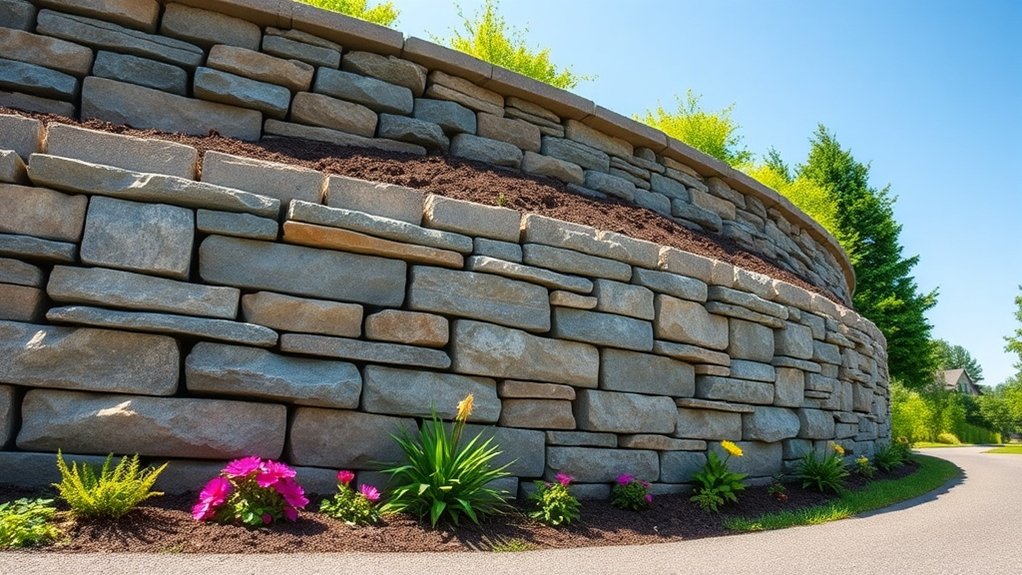
To effectively tackle driveway erosion, building retaining walls is a vital strategy. A well-designed retaining wall offers solid support, preventing soil displacement on slopes. This stabilises the ground around driveways and paths, reducing the chances of landslides and sinkholes.
The erosion control advantages are notable, as these walls help manage water flow, directing runoff to lessen soil washout. They can be adapted to suit different landscapes, improving both functionality and appearance.
Using durable materials like stone or concrete ensures lasting support, while professional installation optimises drainage, enhancing the wall’s effectiveness in safeguarding driveways against erosion.
Create Grade Breaks and Water Bars
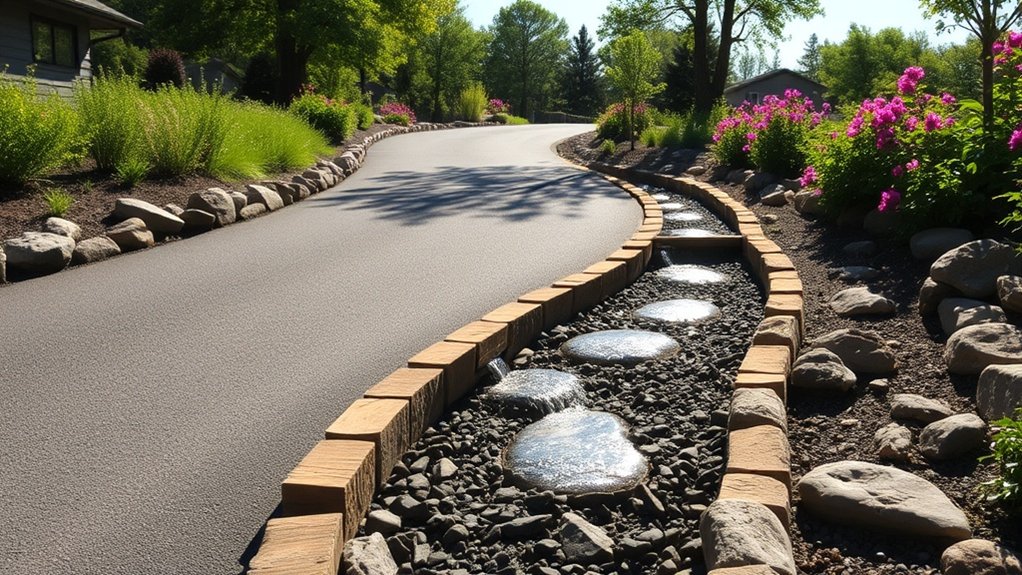
Retaining walls offer substantial support, but to improve erosion control on your driveway, creating grade breaks and installing water bars is highly effective.
These structures help divert water, reducing the speed and volume of flow across your driveway, especially in erosion-prone areas.
Here are some key points to consider:
- Position water bars at a 30 to 45-degree angle for optimal water diversion.
- Space them according to your driveway’s slope and surface stability to avoid concentrated water flow that can cause damage.
- Regular maintenance every few years will ensure continued erosion prevention.
Implementing these measures will help maintain your driveway’s integrity and prolong its lifespan.
Monitor and Adjust Drainage Systems
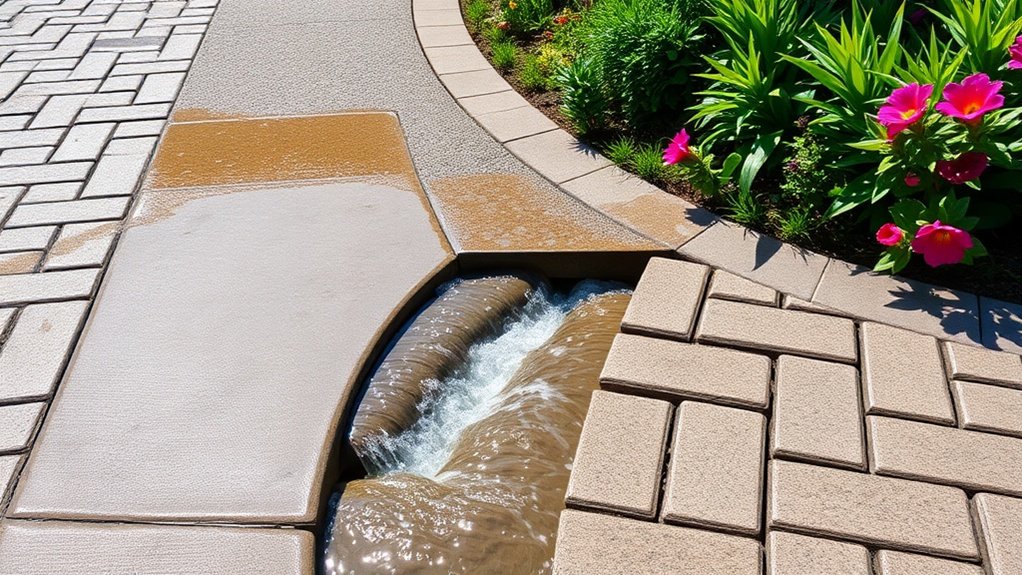
How effectively are you monitoring your drainage systems? Regular maintenance is crucial to prevent driveway erosion. Aim to inspect your drainage system at least twice a year and after heavy rainfall.
Look for standing water or slow drainage, which could signal blockages or improper slope. Ensure that drain pipes are clear of clogs and securely connected, and that downspouts are directing water away from your property.
Run a water flow assessment to identify any hidden issues, such as leaks or uneven flow.
It’s also important to regularly clear debris from grates and channels to enhance system efficiency. Address any physical damage promptly to keep your drainage system functioning well and to prevent erosion problems.
Frequently Asked Questions
How Often Should I Inspect My Driveway for Erosion Signs?
You should check your driveway for signs of erosion at least once a week, particularly after heavy rain. Keeping on top of regular maintenance is crucial for preventing erosion, helping you spot any problems early and prolonging the life of your driveway.
Can I Use Decorative Rocks for Erosion Control?
Yes, you can use decorative rocks such as gravel and river rock for erosion control. They help stabilise soil, enhance drainage, and minimise runoff, which can effectively prevent erosion in areas like driveways and sloped gardens.
What Are the Signs of a Failing Drainage System?
Signs of a failing drainage system include water pooling on surfaces, persistent standing water, and noticeable cracks in driveways. These issues can threaten structural integrity and signal underlying problems that require prompt attention to prevent further damage.
How Do Seasonal Changes Affect Driveway Erosion?
Seasonal changes, such as winter’s frost and summer’s heat, take a toll on your driveway, leading to cracks and erosion. Each cycle exacerbates wear and tear, so it’s important to address any issues promptly before your driveway deteriorates further.
Is Professional Help Necessary for Driveway Erosion Issues?
Yes, professional help is essential for driveway erosion issues. A qualified assessment ensures accurate identification of the underlying problems, offering effective solutions that improve the longevity and structural integrity of your driveway far beyond what DIY methods can provide. For example, a professional can properly address drainage issues that may be causing the erosion, preventing further damage in the long run.
Conclusion
Implementing effective erosion prevention strategies can significantly prolong the life of your driveway. Proactive measures are key; each technique helps manage water runoff and stabilise surfaces. Regular maintenance, along with structural improvements like retaining walls and drainage systems, can reduce the effects of erosion. By investing time and effort now, you’ll avoid costly repairs later, keeping your driveway functional and looking good.
Maximize the durability of your tarmac driveway by understanding the ideal weather conditions for installation—discover the secrets to perfect timing Read more
Discover the common causes of tarmac driveway cracks and learn effective repair methods to protect your investment—your driveway deserves the Read more
Before you paint your tarmac driveway, discover essential tips and techniques that can transform its appearance and durability—don't miss out Read more