
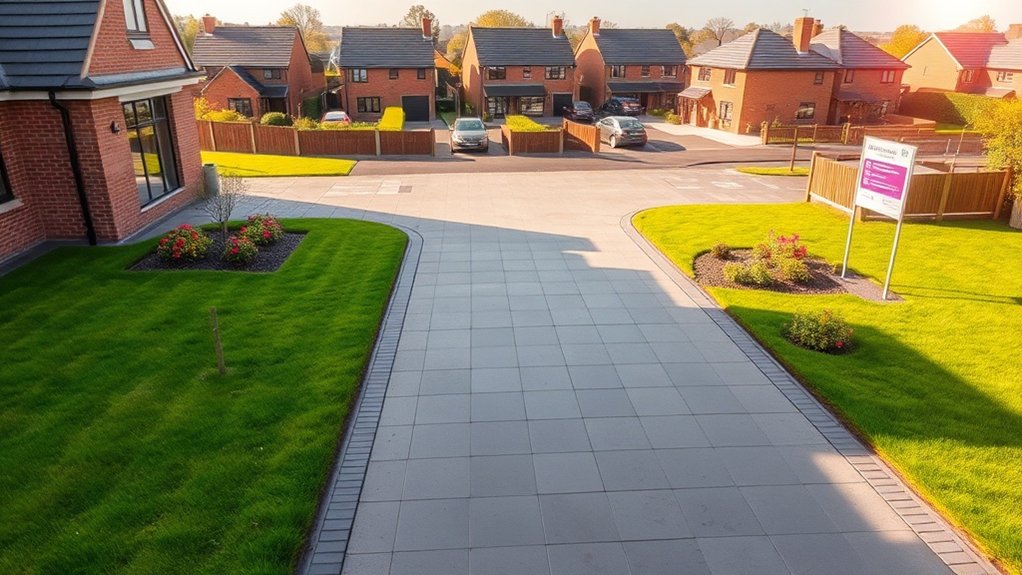
In Manchester, you typically need drainage permission if you’re installing a non-permeable driveway that covers more than 5 square metres. This is due to local regulations aimed at managing surface water runoff effectively. Opting for permeable materials, such as gravel or resin-bound surfaces, can help you avoid the need for permission. However, if your property is located in a conservation area, you may face stricter regulations. It’s crucial to understand these requirements to prevent any potential penalties. Consider your choice of materials carefully, as this can significantly affect your project.
Key Takeaways
In Manchester, if you’re planning to install a driveway, there are some important regulations to consider:
- Driveways that exceed 5 square metres and use non-permeable materials, like concrete or tarmac, require drainage permission.
- On the other hand, permeable materials such as gravel or resin-bound surfaces usually do not need drainage permission.
- If your driveway is under 40 m² and doesn’t involve cutting a new curb, you may not need full planning permission.
- Be aware that stricter rules apply in conservation areas, where you may need explicit approval from the council for any driveway work.
- Always check with Manchester City Council to confirm the specific regulations and drainage requirements before you start your installation.
Understanding Planning Permission for Driveways in Manchester
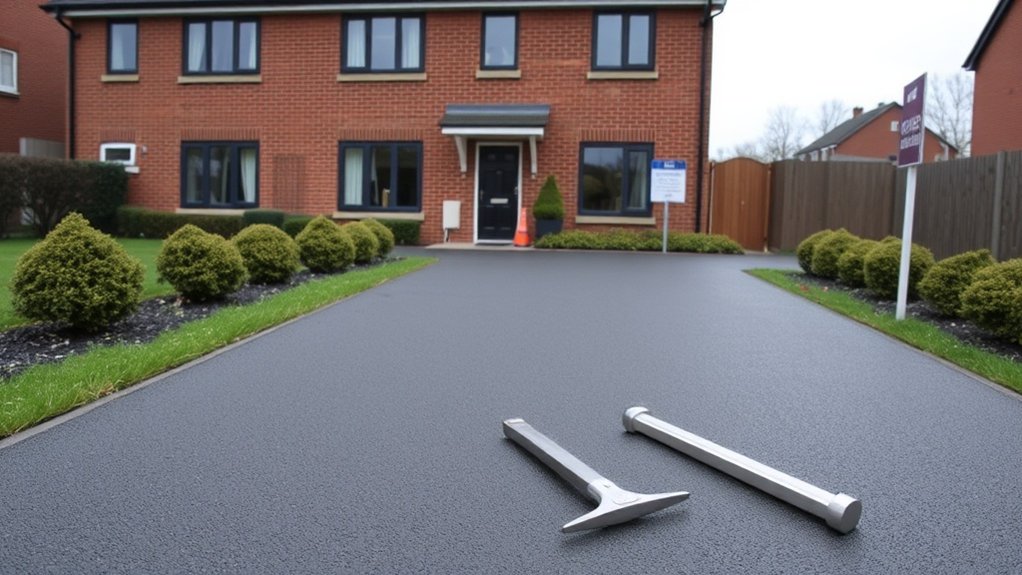
If you’re planning to install a driveway in Manchester, it’s important to know the planning permission rules.
If your driveway will be made with non-permeable materials like tarmac or concrete and is larger than 5 square metres, you’ll need permission if it drains to the road. This is to ensure that drainage and flood prevention are managed properly. Additionally, ensure compliance with dropped kerb regulations to meet safety assessments when creating vehicle access. Local council regulations play a crucial role in determining the specifics of your installation.
On the other hand, using gravel or porous materials usually doesn’t require permission, as they allow water to soak through naturally.
Always check with Manchester City Council for local regulations, especially if your property is in a conservation area or has specific restrictions.
Not following the rules can lead to costly removal or changes to your driveway, so it’s best to get informed before you start.
The Importance of Permeable Surfacing
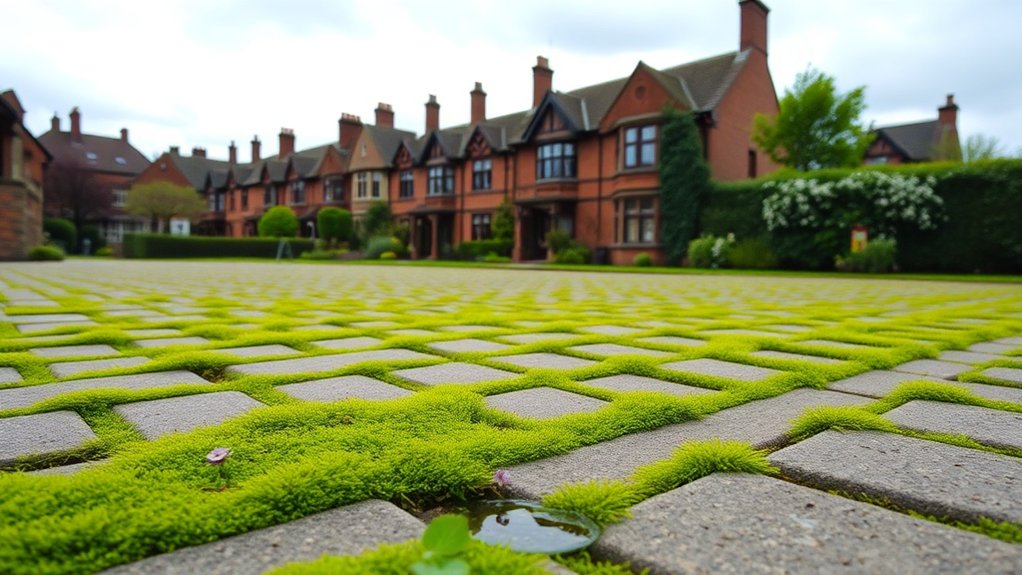
While many homeowners in Manchester focus on aesthetics when selecting driveway materials, the benefits of permeable surfacing go well beyond appearance.
These materials allow water to be absorbed effectively, significantly reducing stormwater runoff. In fact, permeable driveways can absorb 70-80% of annual rainfall, leading to a reduction in runoff by as much as 90% compared to traditional, non-permeable surfaces. This helps prevent flooding and erosion, and eases the burden on local drainage systems during heavy rain. Additionally, the layered structure of permeable driveways is crucial for effective water drainage.
Moreover, permeable surfacing enhances water quality by filtering out pollutants before they reach rivers and streams. Additionally, these driveways contribute to stormwater management by mimicking natural absorption processes, promoting sustainability in urban environments. It also supports groundwater recharge, which is vital for sustainable water management. By choosing permeable options, you not only help the environment but may also boost your property’s value over time.
Planning Permission Requirements for Impermeable Driveways
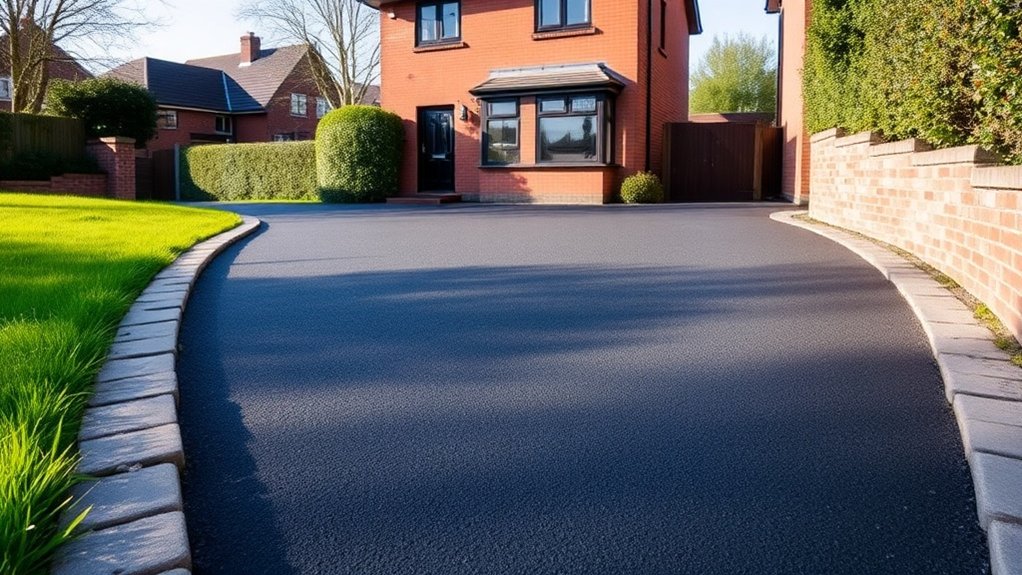
Understanding the planning permission requirements for impermeable driveways in Manchester is essential, particularly as regulations have become stricter in recent years. If you’re considering installing an impermeable driveway, here’s what you need to know:
| Surface Type | Size Requirement | Planning Permission Needed |
|---|---|---|
| Traditional Materials | Over 5 square metres | Yes |
| Traditional Materials | 5 square metres or less | No |
| Paving Slabs | Over 5 square metres | Yes |
| Paving Slabs | 5 square metres or less | No |
Proper drainage is crucial for managing surface runoff, as impermeable driveways can contribute to flooding. Additionally, many homeowners are unaware that permitted development rights allow certain alterations without planning permission. If you’re unsure about the requirements for your specific project, especially if your property is in a conservation area, it’s advisable to consult Manchester City Council. Implementing effective drainage systems can help safeguard your property against potential water pooling and erosion issues.
Exceptions for Smaller Driveways
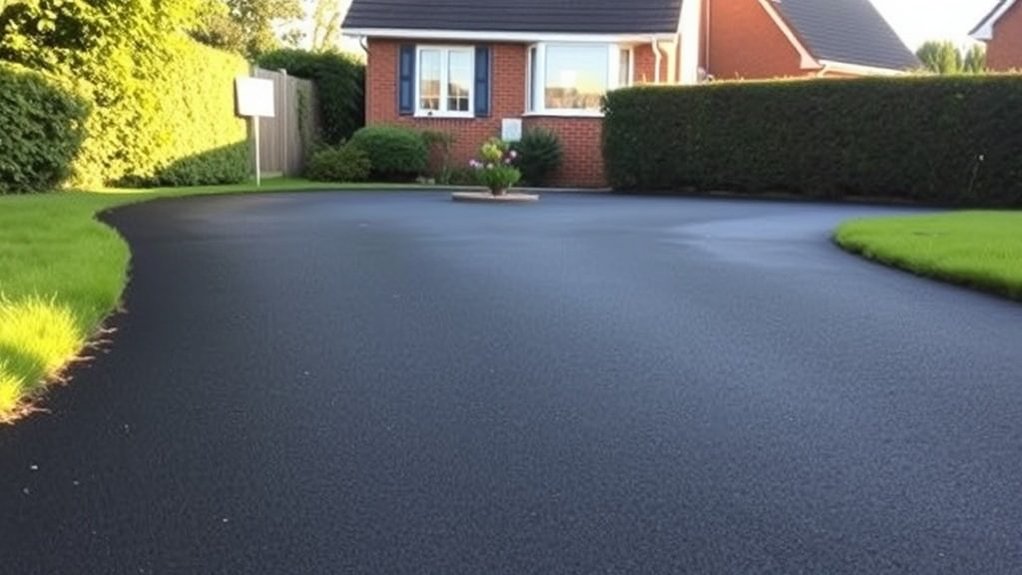
If you’re thinking about installing a smaller driveway in Manchester, you might be pleased to learn that there are some exceptions that could simplify the permitting process.
Here are a few important points about driveway exemptions and regulations for smaller installations:
- Driveways under 40 m² usually don’t need full planning permission.
- If no new curb cut is required, smaller driveways often avoid needing highway permits.
- Minor repairs that keep existing drainage systems intact can typically go ahead without new approvals.
- Some local councils permit permeable surfacing without requiring additional permissions.
Familiarising yourself with these exceptions can help make your installation process smoother and more straightforward.
However, it’s wise to check with your local council, as rules can differ from one area to another.
Regulations for Properties in Conservation Areas
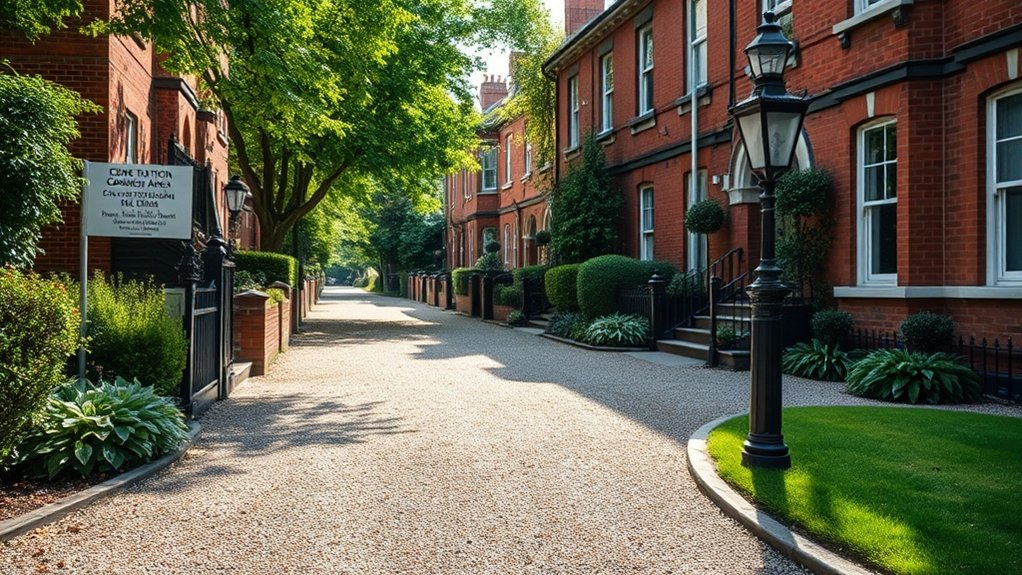
When planning to install a driveway in a conservation area, be aware that stricter regulations apply compared to standard zones.
These regulations often remove your permitted development rights, meaning you’ll need explicit approval from the council for any hard surfacing.
It’s crucial to choose materials and designs that fit the area’s character. For example, if you want to use traditional tarmac, you’ll need planning permission if it covers more than five square metres due to drainage issues.
On the other hand, porous materials like gravel may be exempt if they meet specific guidelines.
Always check with Manchester City Council’s development control team to understand your property’s requirements and ensure your project respects the conservation area’s integrity.
The Role of SuDS in Driveway Design
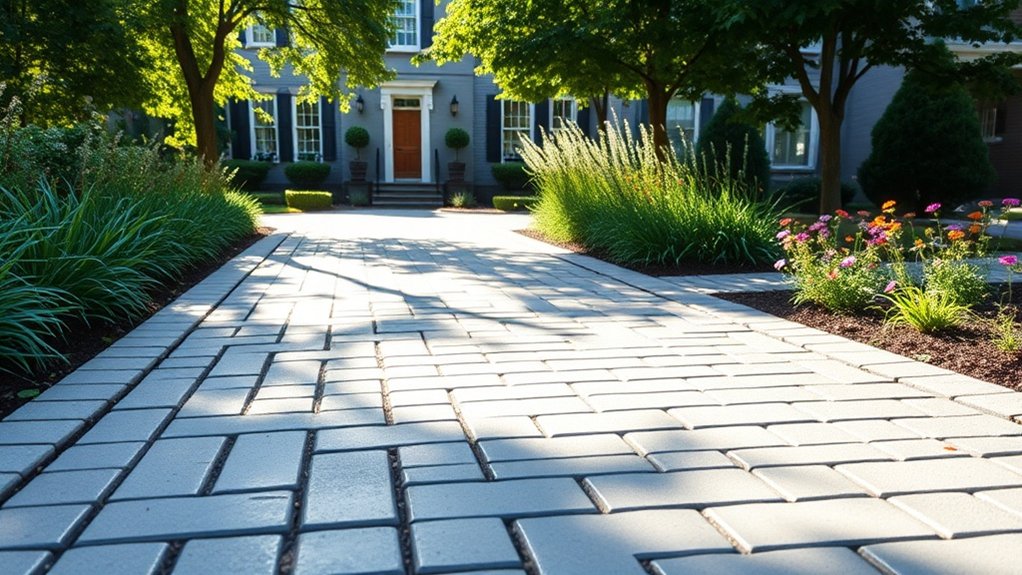
When designing your driveway, it’s vital to incorporate Sustainable Drainage Systems (SuDS) to manage rainwater effectively and comply with regulations.
SuDS help prevent flooding and encourage the use of permeable materials. Here are some key benefits:
- Reduces surface water runoff by allowing rainwater to soak into the soil.
- May not require planning permission for permeable surfaces, under certain conditions.
- Increases property value with eco-friendly design and contemporary look.
- Benefits local wildlife by restoring natural drainage features.
Consequences of Installing Without Permission
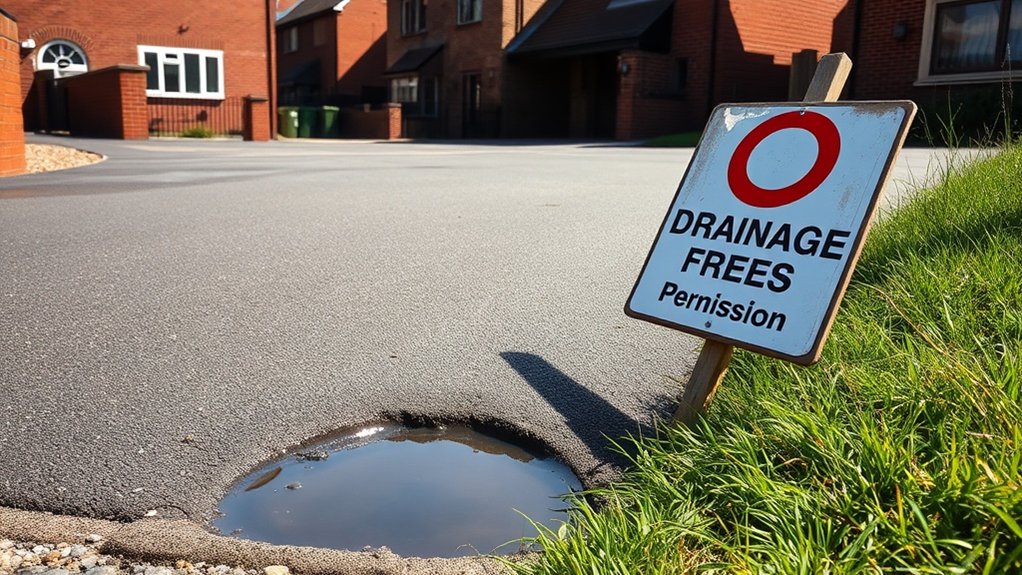
Installing a driveway without the necessary permissions can lead to serious consequences.
If your driveway is larger than 5m² and doesn’t have proper drainage, local authorities may issue enforcement notices requiring you to alter or remove it. Ignoring these notices can result in hefty fines, which can be significant depending on the violation’s severity.
Moreover, poor drainage can cause environmental issues, leading to pollution penalties, especially in sensitive areas. You might also face removal costs that could surpass your initial installation expenses.
Persistent violations could lead to legal action, impacting your record. Ultimately, if you’re forced to revert to a permeable surface to comply, it could hurt both your property’s appearance and its value.
Special Cases for Flats and Maisonettes
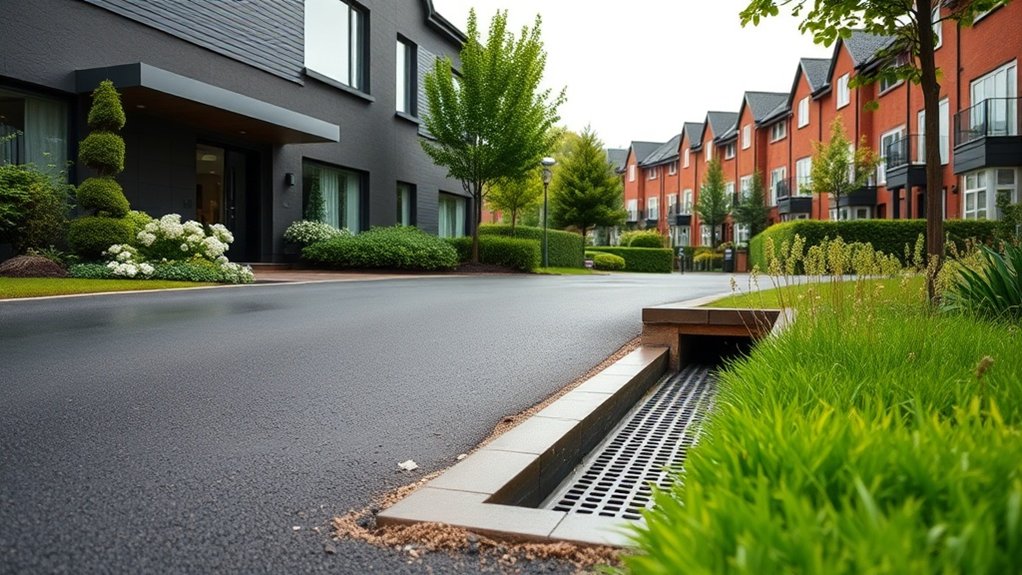
Installing a driveway in a flat or maisonette comes with its own set of challenges, particularly regarding planning regulations. Unlike standard houses, you’ll need full planning permission due to specific restrictions related to driveway ownership and shared access.
Here are some important points to consider:
- Ensure your driveway complies with local drainage regulations to manage water runoff effectively.
- Permitted Development Rights don’t apply, meaning you’ll need approval for any impermeable surfaces you plan to install.
- If your property was converted from a commercial use, you may face similar planning hurdles.
- In multi-occupancy buildings like flats, all installations must conform to shared access standards.
Navigating these complexities is crucial for a successful driveway installation in your flat or maisonette. Non-compliance can lead to hefty penalties, so it’s always wise to consult your local planning authority for advice.
How to Apply for Driveway Permission
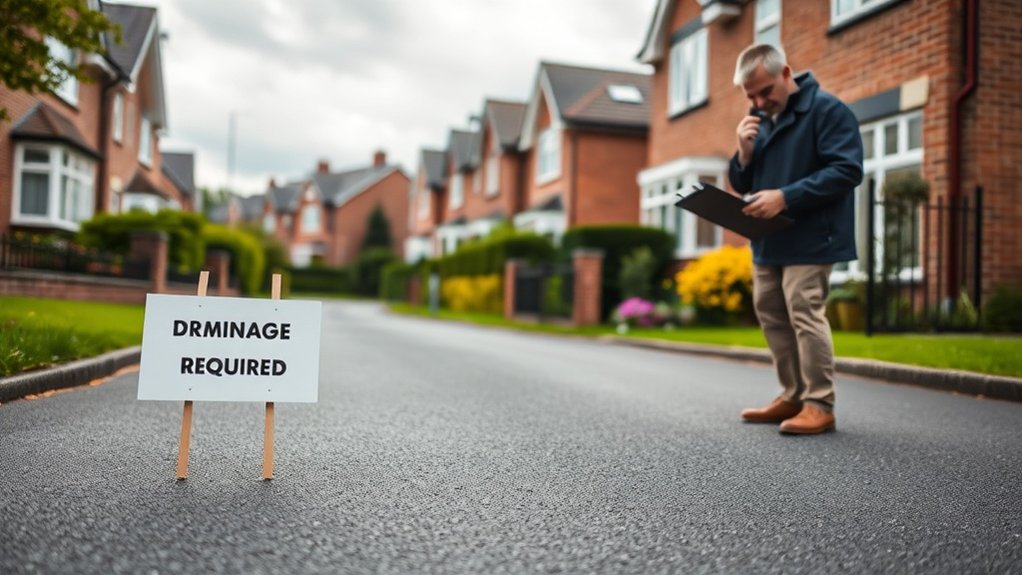
Applying for driveway permission in flats and maisonettes can seem daunting, but it’s manageable with the right steps.
Start by filling out the driveway permit application form from your local council, making sure to include the required fee. You’ll need to attach a signed form and a detailed scaled site plan showing where you want to place the driveway in relation to existing structures.
Be ready to provide information on zoning regulations and design specifications for your driveway, including its size and slope.
You can submit your application either through the council’s online portal or by post. It’s a good idea to engage with local authorities early on to sort out any potential issues.
Keep in mind that processing times can vary from 2 days to 8 weeks.
Assessing Your Property’s Specific Needs
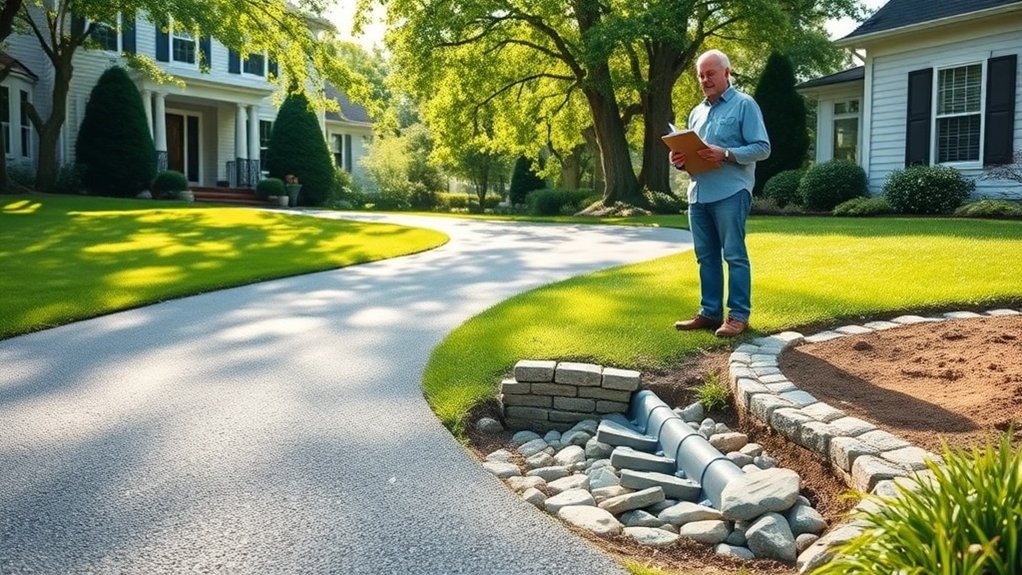
When assessing your property’s needs for driveway installation, first consider the size of the area you want to pave.
In the UK, any driveway larger than 5m² requires drainage solutions to comply with regulations, while smaller driveways may be exempt.
Choosing the right materials is also important; using permeable surfaces can reduce or eliminate the need for extra drainage, helping you stay within local guidelines.
Property Size Considerations
Understanding the size of your property is crucial, as it directly affects the planning permissions for your driveway installation.
Here are some important points to consider regarding driveway dimensions and materials:
- If your driveway is over 5 square metres with an impermeable surface, you’ll need planning permission.
- Driveways that exceed 40 square metres, especially if made of concrete, usually require permits.
- Any driveway larger than 5m² located between your house and the public road must adhere to Sustainable Drainage Systems (SuDS) regulations or seek permission.
- Driveways smaller than 5m² often don’t require permission, as they’ve a minimal impact on water runoff.
Make sure you assess your driveway size carefully to ensure compliance with local regulations.
Material Type Selection
Choosing the right material for your driveway is crucial, as it affects both its functionality and adherence to local regulations.
In Manchester, permeable options like resin bound, gravel, or permeable block paving are ideal. These materials allow water to drain naturally, often eliminating the need for drainage permission. They promote natural water absorption while looking good.
If you prefer non-permeable materials, be ready to install channel drains or soakaways to manage water runoff effectively. Using impermeable surfaces without proper drainage can lead to compliance issues.
It’s important to assess your property’s soil type and drainage requirements to select the best material. This approach will help you meet Sustainable Drainage Systems (SuDS) guidelines and enhance the durability of your driveway.
Professional Installation and Compliance
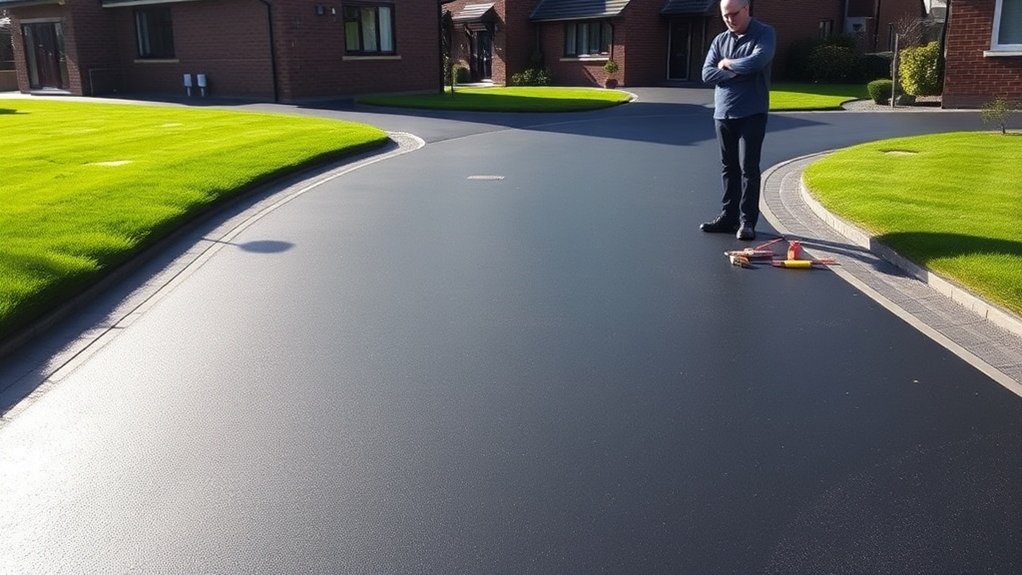
When planning your driveway installation, it’s crucial to hire a professional to assess your property’s drainage and ensure compliance with local regulations.
Experts will ensure your design meets Manchester City Council‘s requirements and can handle the complexities of permit applications.
Importance of Professional Assessment
While many homeowners may view driveway installation as a simple task, the value of a professional assessment is crucial. A proper site evaluation ensures your driveway is constructed on a solid foundation and complies with drainage regulations.
Here’s why it’s essential:
- Soil Type and Load-Bearing Capacity: Understanding the soil helps determine the right base depth for durability.
- Existing Drainage Patterns: Analysing how water flows prevents issues like pooling and helps manage surface runoff effectively.
- Slopes and Gradients: Recognising these factors ensures safe vehicle access and prevents accidents.
- Underground Services: Identifying any underground utilities can save you from costly damage during installation.
Prioritising a professional assessment can save you time, money, and hassle in the long run.
Compliance With Local Regulations
Understanding compliance with local regulations is crucial for any driveway installation in Manchester, particularly due to stringent rules surrounding impermeable surfaces.
If your driveway is larger than 5m² and made from non-permeable materials, you’ll need planning permission to reduce the risk of surface water runoff. Ignoring these regulations can lead to fines or even the requirement to remove your driveway.
Choosing permeable materials, such as gravel or porous asphalt, not only complies with legal standards but also improves the look of your driveway while allowing water to drain naturally.
Always consult professionals to ensure your design meets Sustainable Drainage Systems (SuDS) requirements. By prioritising compliance, you protect your investment and align with local regulations.
Contacting the Manchester City Council for Guidance

To ensure your driveway installation meets local regulations, it’s crucial to contact Manchester City Council for guidance.
Here are some straightforward steps to check compliance:
- If you have questions about permitted development, speak to the Development Control team.
- If your property is in a conservation area or is a listed building, get in touch with the council before starting any work.
- You can check general planning permissions on the council’s website or by speaking to their staff.
- In some areas, you can submit permit applications via email.
Taking these steps will help you avoid any potential issues.
Frequently Asked Questions
What Are the Penalties for Installing a Driveway Without Permission?
Installing a driveway without permission can lead to fines and legal issues. Local councils may order you to remove the driveway, enforce compliance, and complicate future property transactions. This could significantly affect your property’s value and any insurance claims you may need to make. For instance, if you decide to sell your house, potential buyers might be deterred by an unapproved driveway, fearing future complications.
Can I Convert My Existing Driveway to Permeable Materials?
Yes, you can convert your existing driveway to permeable materials, such as gravel, to avoid needing drainage permission. This change not only meets regulations but also improves water management by reducing runoff and minimising the risk of flooding. For instance, using permeable block paving or porous asphalt can effectively allow rainwater to drain naturally into the ground.
How Long Does the Planning Permission Process Take?
The planning permission process usually takes around 8 weeks in the UK. However, this timeline can be extended if there are issues such as incomplete applications, technical consultations, or objections from neighbours. To speed up your application and minimise delays, make sure all documents are complete and accurate before submission.
Are There Any Costs Associated With Applying for Driveway Permission?
Yes, applying for driveway permission incurs application fees and requires compliance with planning regulations. Costs may include submission fees, site visits, drainage assessments, and potentially fines for non-compliance. It’s important to budget for these expenses when planning your project.
What Should I Do if My Application Is Rejected?
If your application is rejected, you have a couple of options. You can either appeal the decision or revise your plans. Consider alternative solutions, such as sustainable drainage systems, to address any concerns and comply with local regulations. This will help ensure your application meets the necessary requirements.
Conclusion
Installing a driveway in Manchester without drainage permission can lead to expensive issues. It’s crucial to familiarise yourself with local regulations and the benefits of using permeable surfaces. Assess your property’s specific needs and consult the Manchester City Council for guidance. A well-planned driveway not only boosts your home’s appearance but also helps you avoid legal complications.
How can a tarmac driveway enhance your home's appeal? Discover the key aspects of cost, installation, and maintenance in our Read more
Not sure if you can lay tarmac over your existing driveway? Discover the crucial steps and benefits you need to Read more
Know the essential steps to secure planning permission for your tarmac driveway—discover key insights that could save you time and Read more