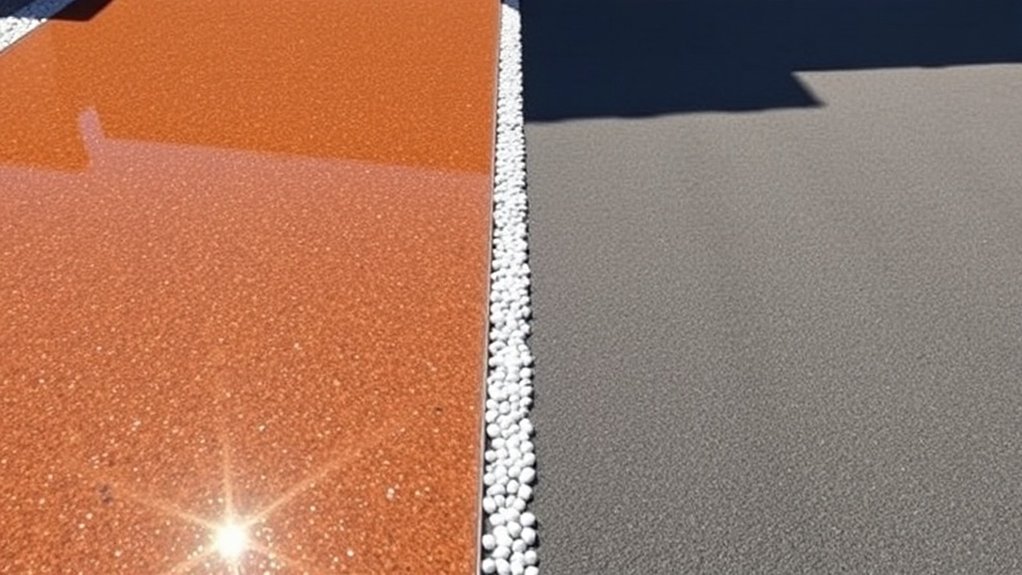
When choosing between resin and tarmac for large driveways, it’s essential to look at durability, cost, and appearance. Resin can last between 20 to 30 years and is resistant to UV rays, making it a smart long-term choice. In contrast, tarmac typically lasts 15 to 20 years but needs more upkeep over time.
Installation times also differ. Resin work is weather-dependent and generally takes 3 to 4 days, while tarmac can usually be laid in just 1 to 2 days. Aesthetically, resin offers a wide range of colours and designs, giving a modern feel, whereas tarmac has limited options.
Overall, both materials have their pros and cons, so consider your priorities carefully when making your decision.
Key Takeaways
- Resin driveways can last between 20-30 years, compared to tarmac, which typically lasts 15-20 years. This makes resin a more durable option for large driveways.
- The initial cost of resin ranges from £40-£80 per square metre, slightly more than tarmac’s £40-£60 per square metre. However, resin requires less maintenance, leading to long-term savings.
- Resin installation takes longer, usually around 3-4 days, due to weather conditions, while tarmac can be laid in just 1-2 days.
- Resin offers a variety of colours and designs, enhancing the visual appeal of your property, whereas tarmac is generally restricted to darker shades and basic textures.
- Choosing resin can boost your home’s curb appeal and resale value, whereas the higher maintenance costs associated with tarmac may diminish your property’s attractiveness over time.
Durability and Longevity of Driveway Materials
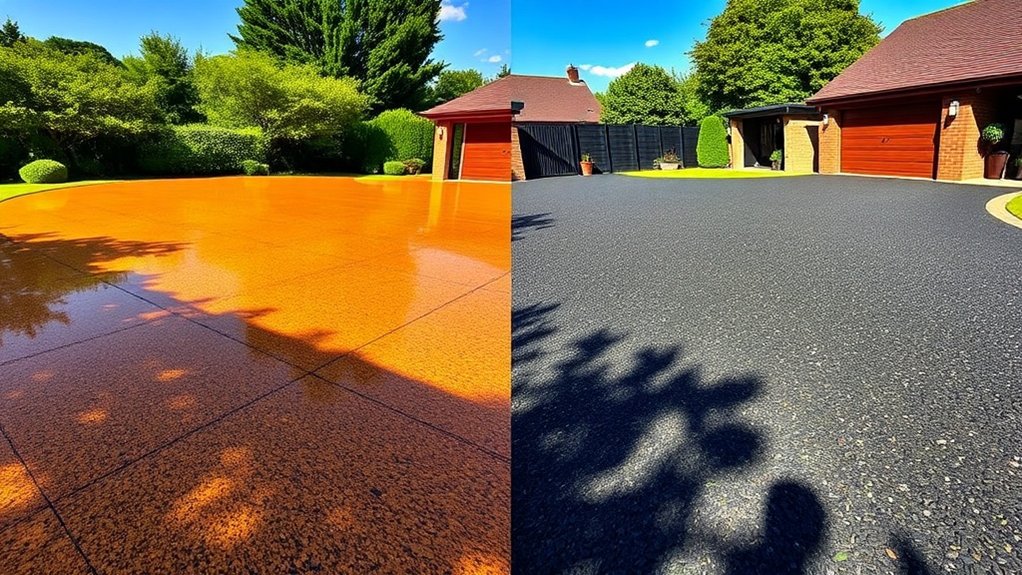
When it comes to the durability and longevity of driveway materials, resin-bound surfaces typically outlast tarmac. With proper maintenance, resin can last 20-30 years, whereas tarmac usually lasts around 15-20 years. The flexibility of resin helps it withstand ground movement without cracking, and it’s UV resistant, which means it won’t fade easily. Additionally, the porous nature of resin helps resist cracking and wear, making it suitable for various environmental conditions. On the other hand, tarmac is prone to potholes and wears down faster under heavy traffic. Additionally, resin has a non-porous surface that resists stains and improves drainage, leading to lower maintenance requirements. This makes resin driveways more eco-friendly compared to tarmac due to their ability to allow water permeability.
Cost Analysis: Resin vs. Tarmac
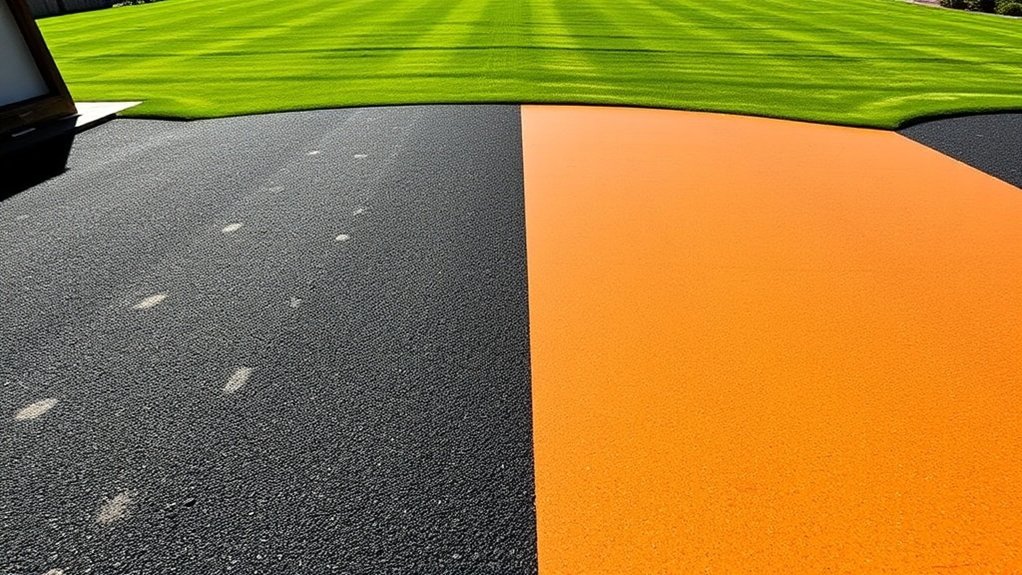
A cost analysis of resin and tarmac driveways shows clear differences that can affect your choice.
For initial installation, resin costs between £40 and £80 per m², while tarmac is generally cheaper, ranging from £40 to £60 per m².
However, long-term maintenance is crucial for cost efficiency. Resin needs minimal upkeep, which reduces overall costs, whereas tarmac requires regular sealing and resurfacing, leading to higher expenses over time. Additionally, resin is naturally permeable, which can further reduce drainage costs. Tarmac, on the other hand, requires regular maintenance every 2 to 5 years, which can add to its overall expense.
Longevity also plays a role; resin lasts 15 to 25 years, while tarmac typically lasts 10 to 15 years, meaning resin could save you money in the long run.
In short, although resin has a higher initial cost, its durability and lower maintenance make it a more cost-effective option overall.
Installation Process and Timeframes
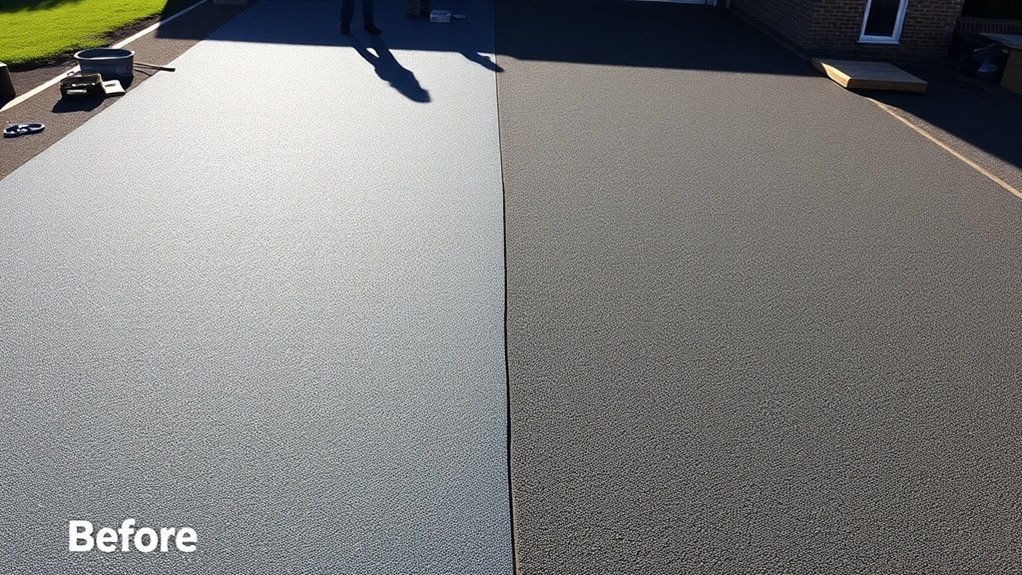
When comparing installation processes for resin and tarmac driveways, you’ll notice some important differences in time and preparation.
Both require similar excavation and base work, but resin driveways rely on dry weather, which can delay the installation. For instance, if it rains, you may need to wait longer for the ground to dry before proceeding. Additionally, a solid foundation is crucial for longevity in resin driveways, which further emphasizes the need for proper preparation. Furthermore, ensuring the surface meets standards for resin bound systems will contribute to the overall durability of the driveway. Understanding these factors will help you make an informed choice for your driveway project.
Installation Duration Comparison
When comparing the installation of resin and tarmac driveways, the time taken for each varies significantly.
Resin driveways usually require around 3 to 4 days to complete, as they involve multiple layers and need time to cure properly. Each layer must be applied with care and then cured for 24 to 48 hours before it can be walked on.
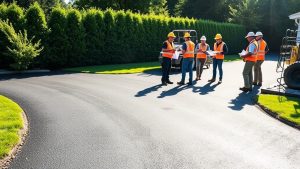
On the other hand, tarmac driveways are much quicker to install, typically taking just 1 to 2 days. Because tarmac is applied in a single layer, it can be used almost immediately after cooling.
This makes tarmac a more time-efficient option, especially in good weather. If you need a driveway quickly, tarmac is the way to go, while resin offers greater design options but takes longer to install.
Preparation Requirements Differences
Before installing resin or tarmac driveways, it’s crucial to consider their specific preparation requirements, as these can affect the overall process and timeline.
Both surfaces need a stable sub-base, but resin installation is more precise to prevent shifting and cracking. You’ll need to evaluate ground drainage and existing conditions for both materials to ensure they’re suitable.
Tarmac can often be laid over existing bases if they meet the necessary standards, whereas resin demands a properly compacted foundation.
The installation times also vary; resin projects generally take 2 to 5 days, while tarmac can often be completed in 1 to 2 days.
Proper preparation is key to ensuring a durable and long-lasting driveway.
Aesthetic Appeal and Design Options
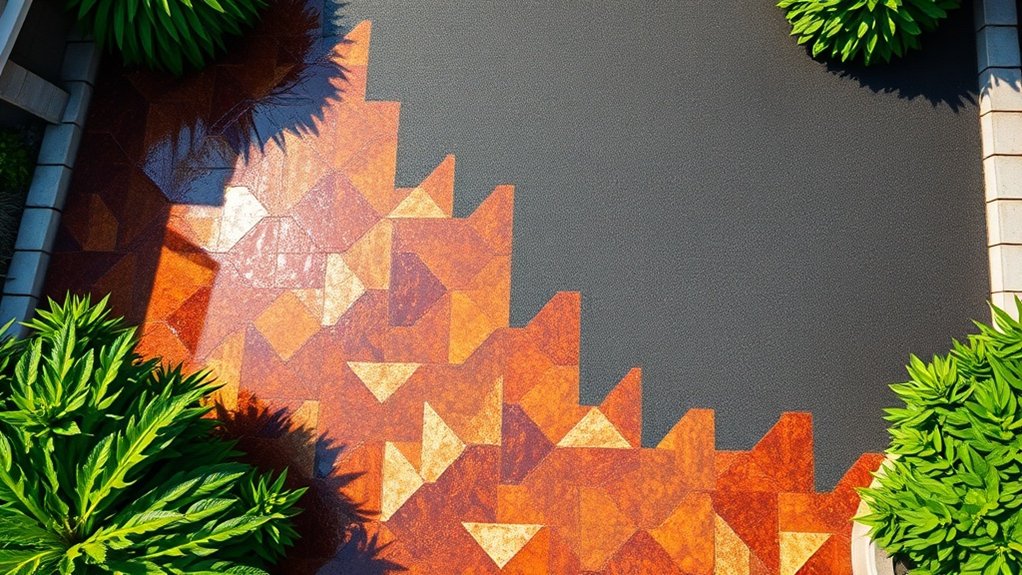
When deciding between resin and tarmac for your driveway’s aesthetic appeal, consider the following:
Resin driveways stand out for their remarkable aesthetic options. With a wide range of vibrant colours, patterns, and textures, they can be tailored to complement your home’s style perfectly. For example, you could choose a light grey resin with decorative borders to create a contemporary look.
In contrast, tarmac driveways are more limited, typically available in darker shades like black or dark red, which may not suit everyone’s taste. They offer a classic and tidy appearance but lack the design flexibility of resin.
Here’s a quick comparison:
| Feature | Resin Driveways | Tarmac Driveways |
|---|---|---|
| Colour Variety | Extensive, vibrant options | Limited to black/dark red |
| Customisation | Borders, motifs, logos | No customisation options |
| Visual Appeal | Modern, seamless finish | Classic, tidy appearance |
| Aggregate Selection | Various textures available | Uniform texture |
Safety Features and Environmental Impact
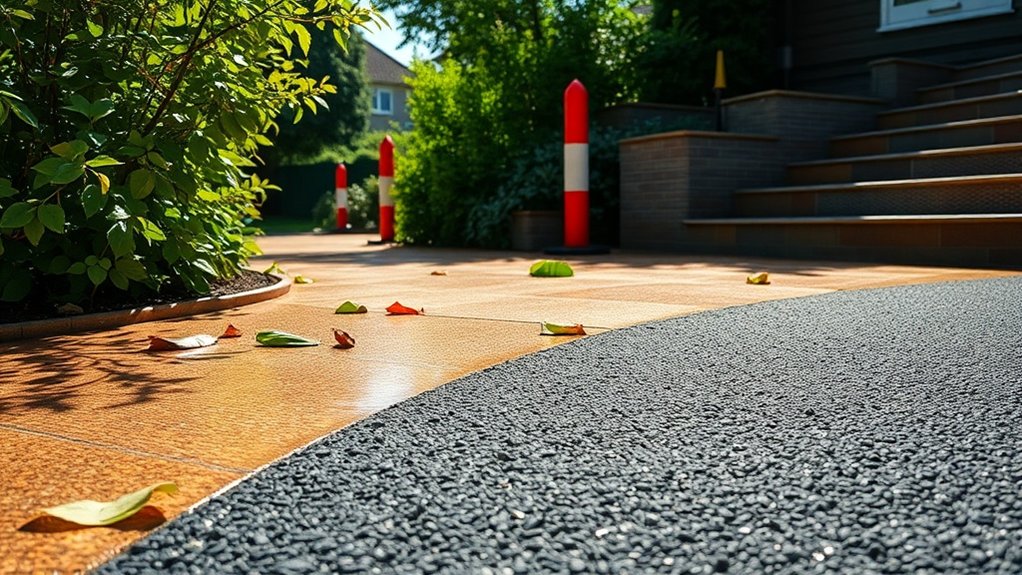
When deciding between resin and tarmac driveways, it’s important to consider their safety features and environmental impact.
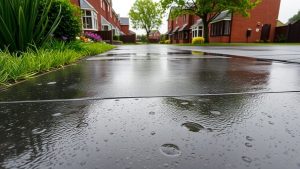
Resin driveways are permeable, which means they allow water to drain effectively, reducing slip hazards. This is particularly beneficial during rainy weather. On the other hand, tarmac driveways can lead to water pooling, increasing the risk of accidents.
Resin surfaces also maintain grip in wet conditions, whereas tarmac can soften or crack in extreme temperatures, compromising safety.
- Resin’s flexibility helps prevent cracking, ensuring long-lasting safety.
- Tarmac needs regular maintenance, raising environmental concerns over time.
- The permeability of resin supports Sustainable Drainage Systems, which can help reduce flooding risks.
- Tarmac’s impermeability can worsen local flooding and erosion issues.
Maintenance Requirements and Upkeep
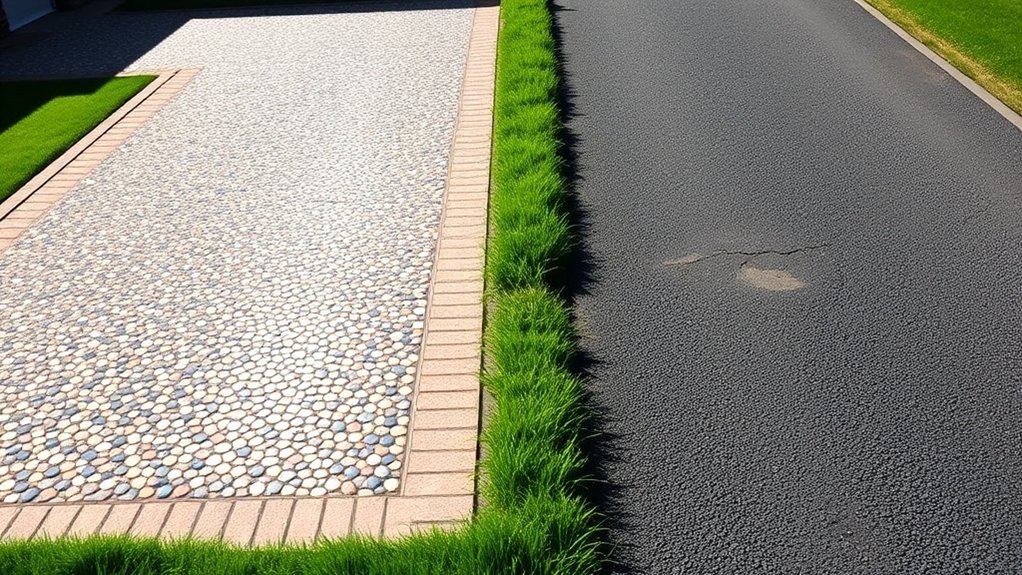
When it comes to maintaining driveways, resin surfaces have clear advantages over tarmac.
Resin requires regular sweeping and occasional power washing to keep it looking its best.
In contrast, tarmac needs more extensive maintenance due to its tendency to crack and fade over time.
Resin Maintenance Advantages
Maintaining a resin driveway has key advantages that enhance its durability and visual appeal.
The straightforward maintenance required makes resin driveways a popular option for homeowners.
Here are the standout benefits:
- Weekly sweeping helps prevent debris accumulation and staining.
- Thorough cleaning 3–4 times a year keeps the surface looking fresh.
- Pressure washing once or twice a year effectively removes stubborn stains.
- Prompt spill cleanup reduces the chance of permanent marks.
These simple steps can keep your resin driveway looking its best for years to come.
Tarmac Maintenance Challenges
Tarmac driveways are robust, but they do require regular maintenance to keep them in good shape. Start with daily sweeping to remove leaves and debris.
Aim to pressure wash your driveway once or twice a year to get rid of stubborn stains. It’s also wise to apply a sealcoat every 2-3 years to protect the surface, especially if it sees a lot of traffic.
Addressing cracks and potholes promptly is crucial; if left unattended, they can lead to significant water damage and costly repairs.
Managing drainage is equally important to prevent standing water, which can speed up deterioration.
Regular inspections by a professional can help spot potential issues early, ensuring your tarmac remains in top condition and lasts longer.
Performance in Different Weather Conditions
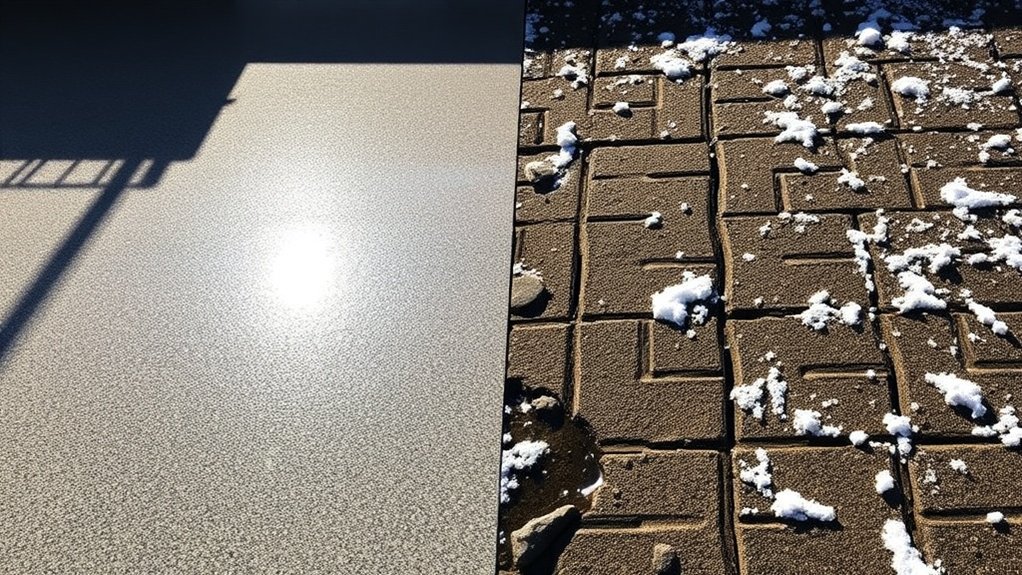
As weather conditions change, the performance of driveway materials is crucial for homeowners.
It’s important to know how tarmac and resin perform in various climates when making your choice.
- Tarmac softens in high temperatures, leading to indentations and ruts.
- Resin-bound surfaces remain resilient to temperature changes, resisting deformation even in extreme heat.
- Tarmac can become brittle in cold weather, which increases the risk of cracking during frost-thaw cycles.
- Resin driveways provide effective drainage, reducing puddles and the risk of slips.
Choosing the right material can make a significant difference in your driveway’s durability and safety.
Customization and Personalization Possibilities
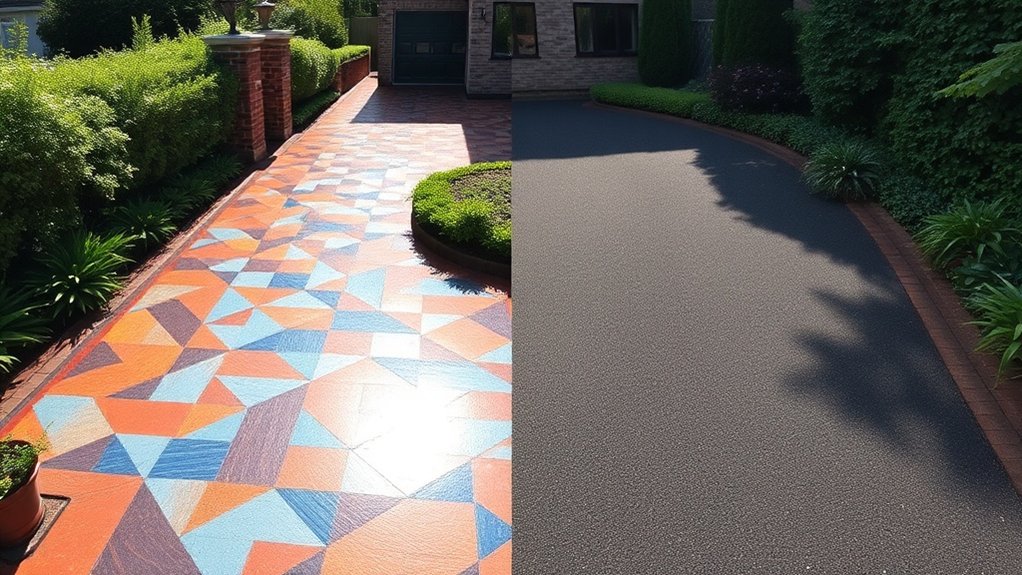
How can you turn your driveway into a reflection of your personal style? With resin driveways, you have numerous options for customization.
Choose from a variety of colour combinations, mixing bold metallic tones or natural earth shades to complement your home’s look. Multi-tone designs create striking visuals, while single-colour options offer a clean, minimalist appearance.
There are also plenty of patterns to select from, such as herringbone or checkerboard, which can enhance your driveway’s visual appeal. Adding contrasting borders can give a refined finish.
Custom inlays, like house numbers or personal logos, provide a unique touch that tarmac simply can’t offer. This level of creativity means your driveway can truly stand out as a distinctive feature of your property.
Resale Value and Long-Term Investment
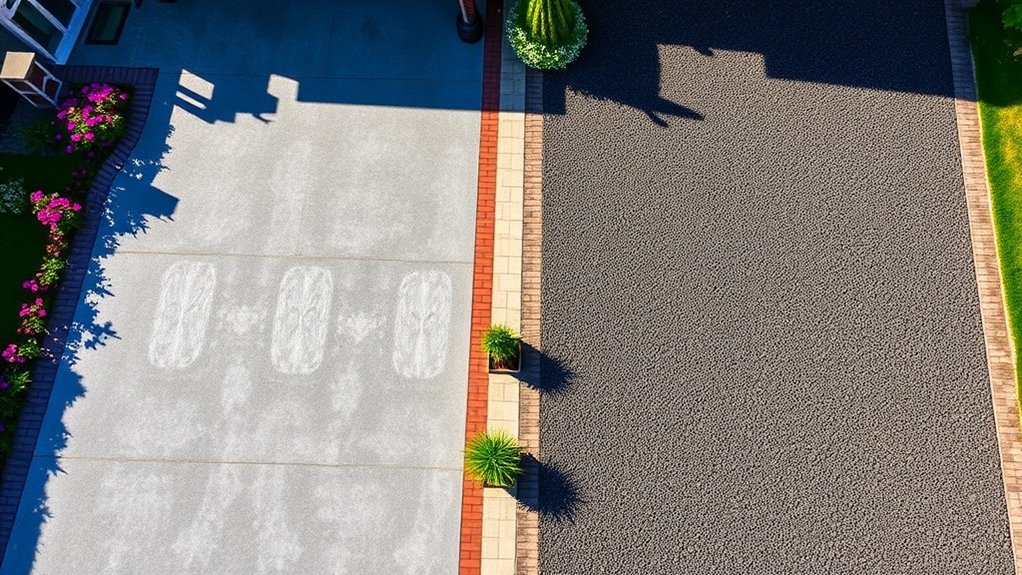
Investing in the right driveway material can significantly affect your property’s resale value and long-term investment potential. While tarmac is initially cheaper, its higher maintenance costs can reduce resale benefits over time.
In contrast, resin not only looks appealing but also offers better durability, leading to improved investment returns.
- Resin surfaces boost curb appeal, making your home more attractive to potential buyers.
- Lower long-term maintenance costs with resin compared to tarmac.
- Eco-friendly resin installations meet drainage regulations, adding to their appeal.
- Resin provides a unique aesthetic that stands out in competitive property markets.
Conclusion: Making the Right Choice for Your Driveway
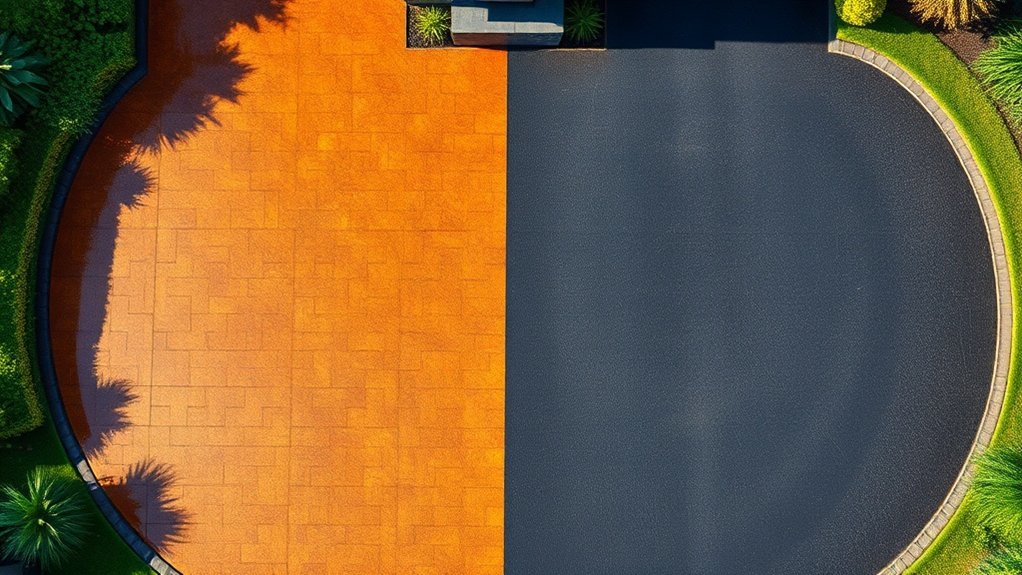
When selecting the ideal material for your driveway, it’s important to consider the pros and cons of each option to make a smart choice. Tarmac is a cost-effective solution and is durable enough for busy areas, while resin not only looks great but also offers environmental perks due to its permeable design.
| Feature | Tarmac | Resin |
|---|---|---|
| Cost per m² | £40-£60 | Higher initial costs |
| Lifespan | 20 years | 25+ years |
| Maintenance | Requires regular upkeep | Low maintenance |
| Installation Speed | 1-2 days | Longer curing time |
Ultimately, your decision should reflect your priorities—whether that’s aesthetics, longevity, or eco-friendliness—ensuring you choose the best option for your driveway.
Frequently Asked Questions
How Do Resin and Tarmac Handle Weight From Heavy Vehicles?
Resin driveways are excellent at distributing weight and can support heavy vehicles when installed correctly. On the other hand, tarmac tends to struggle under heavy loads, often leading to deformation and requiring repairs, which can affect its long-term performance. For instance, if you regularly park a heavy van on a tarmac surface, you might find yourself dealing with ruts and cracks much sooner than you would with resin.
Can Resin Driveways Be Repaired Easily if Damaged?
If you notice cracks in your resin driveway after a heavy storm, effective repair techniques can restore its strength. A good clean followed by resin filling can fix these issues with relative ease.
What Are the Colour Options for Tarmac Driveways?
Tarmac driveways come in a range of colour options. You can choose the classic black, or opt for more vibrant colours like red and blue, as well as modern greens. These choices can enhance the look of your driveway and ensure it fits well with your home’s style.
Do Resin Driveways Attract Pests or Insects?
Resin driveways are great for keeping pests and insects at bay. Their smooth, seamless surface makes it difficult for bugs to find places to hide or breed. This means your driveway stays not only free from pests but also looking tidy and attractive.
How Does Each Material Perform in Extreme Temperatures?
In extreme temperatures, resin handles thermal expansion better than tarmac. It flexes with temperature changes without significant deformation. In contrast, tarmac softens at lower temperatures, making it more prone to damage, especially in extreme heat or severe cold. For example, you might notice cracks or ruts in tarmac during a hot summer, while resin surfaces remain intact.
Conclusion
Whether you’re considering a stylish resin driveway that will impress your neighbours or a robust tarmac surface that prioritises practicality, the decision is yours. Resin offers a chance for creativity, while tarmac is a reliable choice. Just keep in mind, you won’t be hosting a garden party on tarmac, and resin won’t stand up to heavy vehicles. Choose wisely to reflect your personal style—or your budget! After all, it’s primarily a space for parking your car, isn’t it?
How can a tarmac driveway enhance your home's appeal? Discover the key aspects of cost, installation, and maintenance in our Read more
Beneath the surface of tarmac and asphalt driveways lies a world of differences; discover which option suits your needs best.
Uncover the hidden environmental costs of tarmac driveways and explore whether they truly align with sustainable living—what alternatives could be Read more