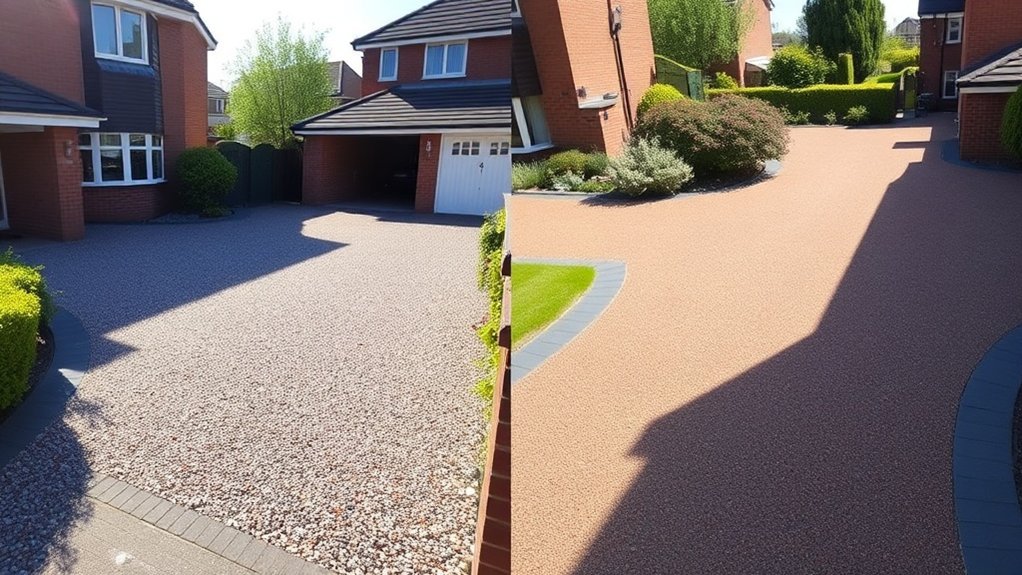
When deciding between resin bound and resin bonded driveways for your home in Manchester, it’s important to understand their key differences. Resin bound driveways offer a smooth, permeable surface that typically lasts 20-25 years with minimal maintenance, making them great for our often rainy weather. On the other hand, resin bonded driveways are more budget-friendly and feature a textured finish, lasting around 10-21 years but requiring more upkeep.
Both options can enhance your home’s curb appeal, but they differ in personalisation choices. For example, resin bound driveways can come in a variety of colours and finishes, allowing for a more customised look. In contrast, resin bonded driveways have limited options.
Consider what suits your home best, and read on for more insights into these driveway choices.
Key Takeaways
- Resin bound driveways can last between 20-25 years with minimal maintenance, whereas resin bonded driveways typically have a lifespan of 10-21 years and require more upkeep.
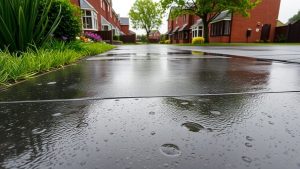
- The smooth, permeable surface of resin bound driveways is perfect for managing heavy rainfall, which is common in Manchester.
- Resin bound driveways offer a variety of aesthetic options, including custom colours and designs, making them a modern choice compared to the more textured appearance of resin bonded driveways.
- The cost for resin bound driveways generally ranges from £4,000 to £6,000, while resin bonded driveways are more budget-friendly, starting at around £800.
- Proper groundwork is crucial for both types to ensure they remain durable and stable, particularly in Manchester’s unpredictable weather.
Understanding Resin Bound Driveways
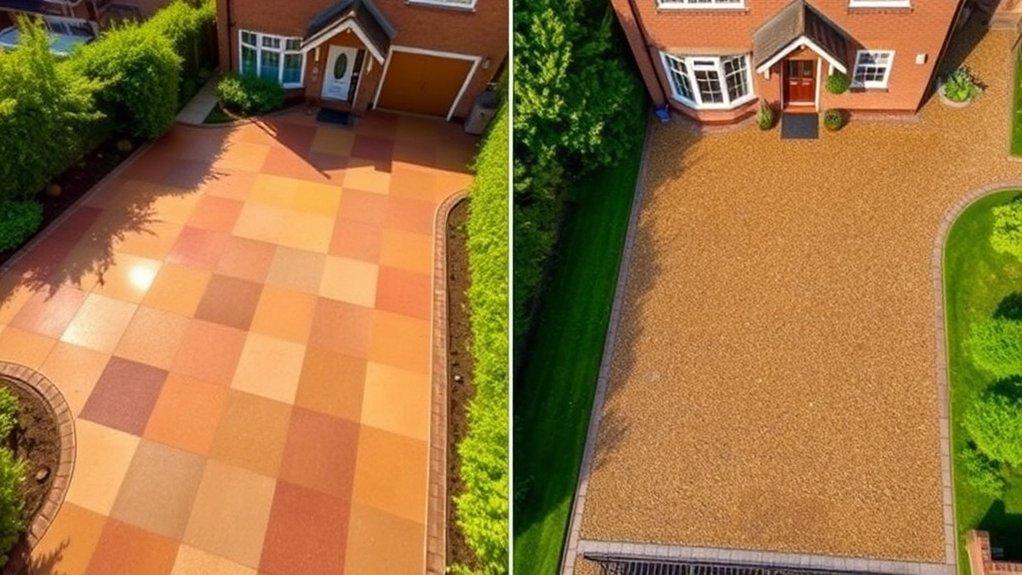
When considering a new driveway, resin bound driveways are worth exploring. This type combines natural aggregate stones with a clear, UV-stable resin, resulting in a smooth, seamless surface. Installation involves mixing a two-part resin with clean, dry aggregates and spreading it on a prepared base. This creates a flat, permeable surface that allows water to drain through the gaps between the stones, helping to prevent flooding and erosion. The fully permeable nature of resin bound driveways also helps in complying with Sustainable Urban Drainage Systems (SuDS), maintaining their permeability over time, making them suitable for sloped or flood-prone areas. Additionally, they are known for their durable surfaces that resist cracking and fading, providing both durability and aesthetic appeal for your home.
Exploring Resin Bonded Driveways
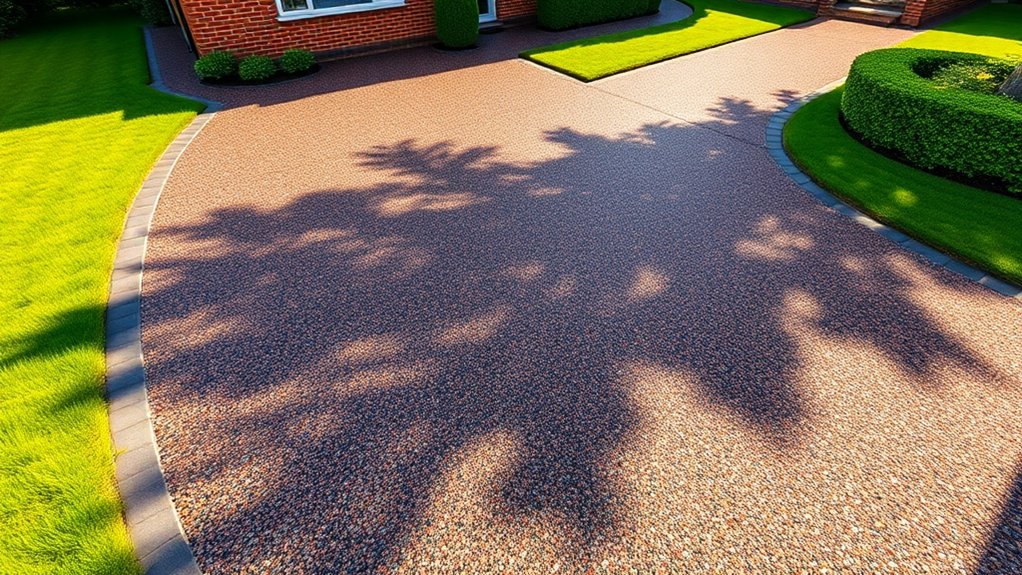
Looking to enhance your driveway’s appearance and functionality? Consider resin bonded driveways for a stylish and durable option.
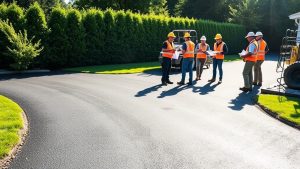
Start with thorough surface preparation: measure the area, assess drainage, and remove any debris. Excavate the base to a depth of 150-200mm and compact it well. You can choose either a tarmac or a primed concrete base, depending on your preference. Properly preparing the base is essential for ensuring a stable foundation. This process helps in achieving the necessary drainage needs for your driveway.
Next, mix the resin with aggregates until you achieve a uniform consistency. Spread the mixture evenly across the surface, using a trowel to ensure a tightly packed, level finish.
With proper maintenance, your resin bonded driveway won’t only look fantastic but also stand the test of time!
Comparing Durability and Maintenance
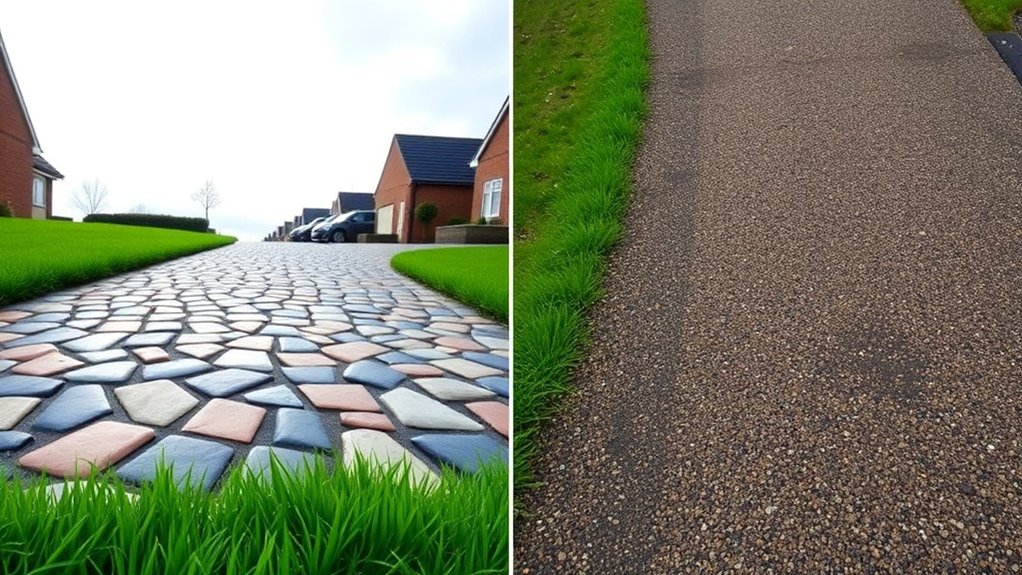
When comparing resin bound and resin bonded driveways, their durability and maintenance needs vary significantly. Resin bound driveways, featuring encapsulated aggregates, are highly weather-resistant and can last between 20 to 25 years if installed correctly. Notably, the completely porous and anti-slip surface of resin bound driveways enhances safety and contributes to their longevity. On the other hand, resin bonded driveways may face issues with stone loosening over time, typically lasting around 10 to 21 years, especially under less than ideal conditions. Additionally, resin bound driveways are resistant to weeds, which contributes to their longevity and low maintenance requirements.
| Feature | Resin Bound Driveways | Resin Bonded Driveways |
|---|---|---|
| Durability | 20-25 years | 10-21 years |
| Maintenance | Minimal upkeep | Occasional maintenance |
| Weather Resistance | High | Moderate |
Resin bound driveways require less frequent cleaning, whereas bonded systems necessitate more maintenance to prevent flaking and stone movement.
Aesthetic Considerations for Your Property
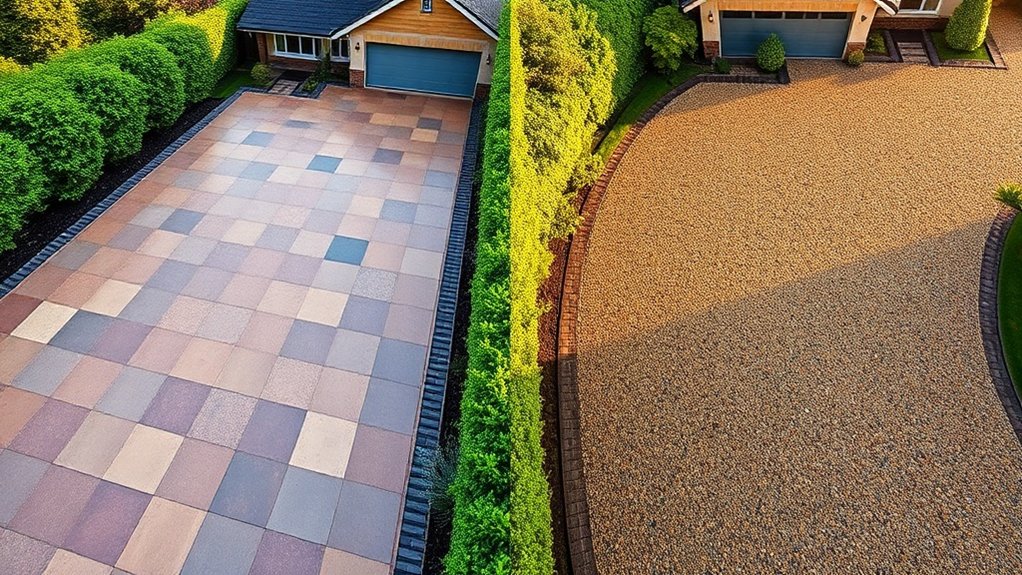
When deciding between resin bound and resin bonded driveways, aesthetics play a significant role in your property’s overall appeal.
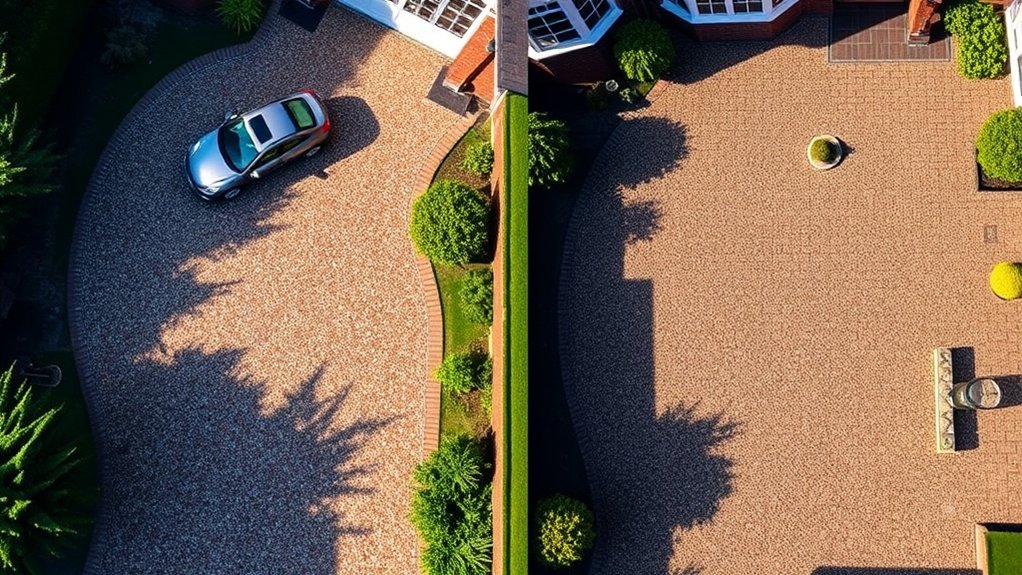
Resin bound driveways offer a sleek, smooth finish, making them perfect for modern homes that value a contemporary look. You can personalise it with a variety of colours and custom designs, including inlays and borders.
On the other hand, resin bonded driveways present a more textured, gravel-like appearance that suits traditional or heritage properties. The natural stone aggregates add a rustic charm that complements older styles.
Ultimately, choose the option that best matches your home’s character, as both can enhance curb appeal and reflect your personal style.
Cost Factors and Suitability for Manchester Homes
When considering the costs of resin bound versus resin bonded driveways for your home in Manchester, it’s important to factor in their suitability for local weather conditions.
Here are three key cost considerations:
- Driveway Size: A medium-sized resin bound driveway typically costs between £4,000 and £6,000, while resin bonded options are usually more affordable, ranging from £800 to £6,000.
- Installation Complexity: If you opt for a more intricate design, prices can escalate to around £170 per m² for both types. This means proper groundwork is essential to keep costs manageable.
- Drainage Requirements: For resin bonded driveways covering more than 5m², you might face additional drainage costs. In contrast, resin bound driveways generally handle Manchester’s heavy rainfall better.
Frequently Asked Questions
How Can I Determine the Best Option for My Driveway?
To choose the best option for your driveway, think about appearance and maintenance. Resin bound gives a smooth, low-maintenance finish, ideal for a modern look. On the other hand, resin bonded offers a textured finish but may need more upkeep in the long run.
What Is the Typical Lifespan of Resin Bonded Driveways?
Resin bonded driveways typically last between 15 to 25 years, provided you maintain them properly. By keeping up with care, you can maximise their lifespan and get great value for your investment.
Can I Install Resin Bound Driveways Myself?
You can try installing resin bound driveways yourself, but it’s important to weigh up the costs of materials and tools first. Proper preparation, mixing, and laying techniques are crucial for a lasting finish. Make sure you’re fully prepared before you begin, as a shoddy job could lead to issues down the line. For instance, if the surface isn’t level or the mix isn’t right, it could result in uneven surfaces or cracking. If you’re unsure, it might be worth considering a professional installation.
Do Both Types Require a Specific Sub-Base Material?
Yes, both types require specific sub-base materials. It’s essential to use stable, non-granular options like porous concrete or tarmac. This ensures compatibility and helps prevent issues, while also securing proper drainage and structural integrity for your driveway installation.
Are There Any Environmental Impacts of Resin Driveways?
Yes, resin driveways have some environmental benefits, such as being permeable, which helps reduce runoff and the risk of flooding. However, there are sustainability concerns regarding their disposal at the end of their life and potential emissions during production. Choosing the right materials and ensuring proper installation can help minimise these impacts.
Conclusion
In summary, whether you opt for a resin bound or resin bonded driveway, both can significantly enhance your home’s curb appeal. Think about your priorities regarding durability, maintenance, and style to determine the best choice for your property. With a reasonable investment, you’ll achieve a beautiful driveway that not only improves your home’s appearance but may also spark a bit of envy among your neighbours. Get ready to transform your Manchester driveway into a striking feature!

Prepare the perfect base for your resin bound stone installation and discover the crucial factors that ensure lasting durability.
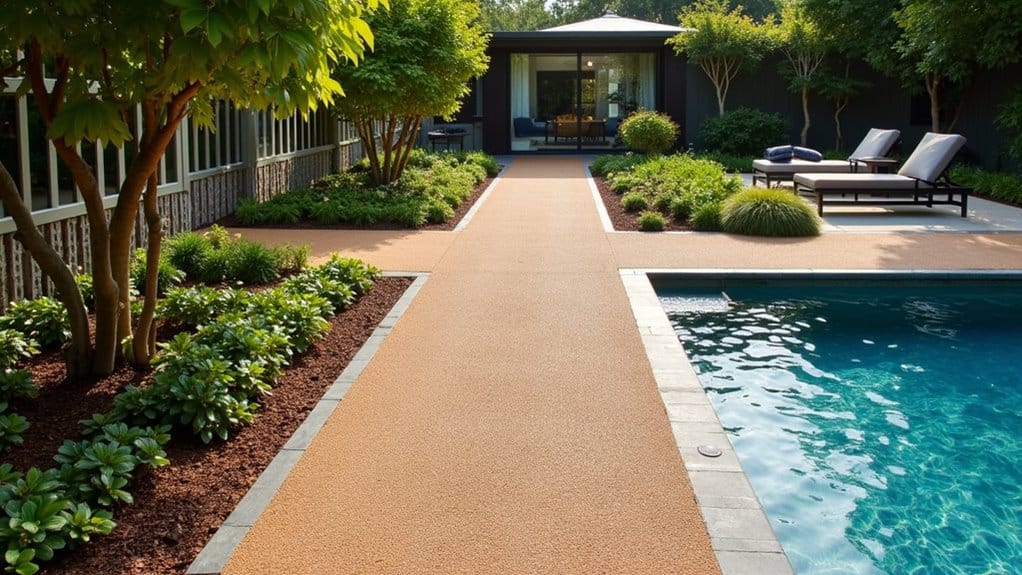
Know where resin bound surfacing can transform spaces for both residential and commercial use, and discover the countless benefits that Read more
A stone carpet combines beauty and resilience in flooring, but what makes quartz floors uniquely beneficial? Discover the secrets behind Read more