To effectively manage water runoff on gravel driveways, ensure your gravel base is well-constructed with a crowned surface. Excavate 150 to 300mm deep, maintain a 4% cross-slope, and use coarse crushed stone for stability. Create side swales to direct water away from the driveway, and consider using erosion control measures like geoGrid mats. Regular maintenance is crucial to keep the surface in good condition. Look into additional strategies for improving drainage and preventing flooding.
Key Takeaways
- Ensure the driveway has a crowned surface, at least 6 inches high, to help direct water runoff away effectively.
- Create side swales with a slope of 2%-4% to channel water to designated drainage areas, preventing any pooling.
- Opt for high-quality, angular gravel to improve stability and drainage, allowing for better water absorption.
- Regularly regrade your driveway to maintain the correct slope and avoid erosion or water build-up.
- Consider installing drainage solutions, like culverts, to manage runoff efficiently and reduce the risk of flooding.
Understanding the Importance of Proper Gravel Base Construction
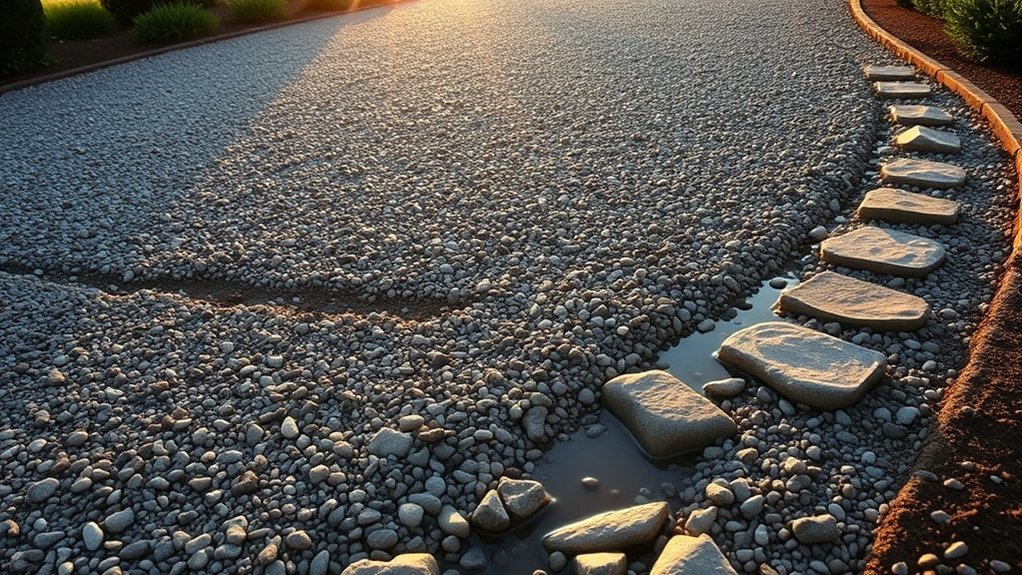
When constructing a gravel driveway, it’s crucial to understand the importance of a proper base. Start by excavating the site to a depth of 150 to 300mm, removing topsoil and organic matter that could lead to settling. Shape the subgrade with a slight crown to facilitate water runoff. For the base layer, use coarse crushed stone, ensuring even distribution and thorough compaction to enhance stability. Neglecting to compact the base can result in shifting and early failure. For larger areas, consider using mechanical compactors to achieve a uniform finish. A solid base layer is essential, as it supports the driveway and promotes effective drainage, allowing for proper water runoff management.
Grading Techniques for Effective Water Drainage
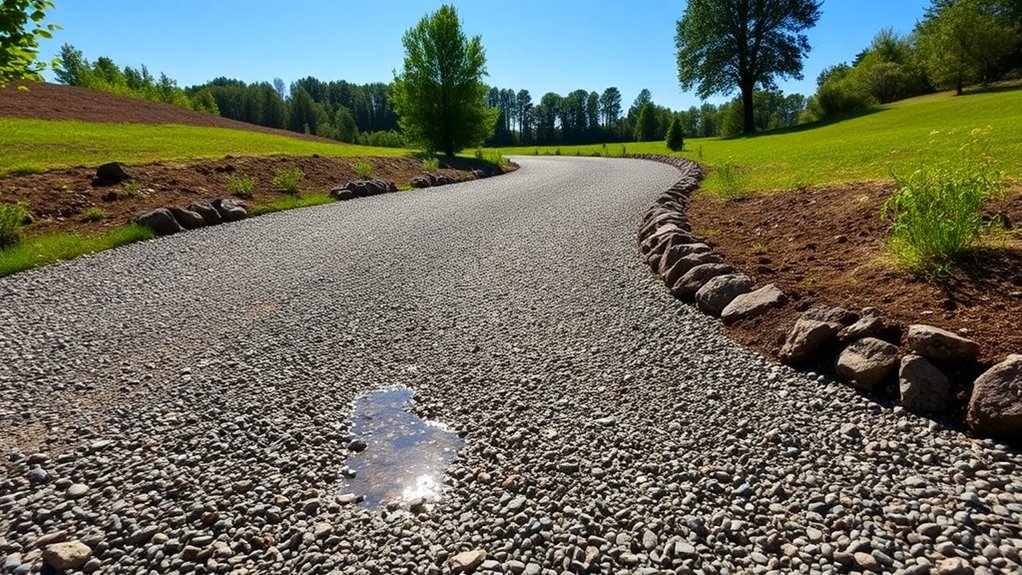
To ensure effective water drainage on your gravel driveway, create a crowned surface that channels water away from the centre. Adding side swales can improve runoff management by directing water towards specific drainage areas. Regular regrading is important to maintain the correct slope and prevent water pooling, ensuring the driveway remains functional over time. Incorporating gravel-filled trenches can also enhance the drainage system by managing runoff and protecting underlying structures. Additionally, using porous materials for your driveway can significantly improve drainage efficiency and reduce soil erosion.
Crowned Surface Design
Crowned surface design is crucial for effective water drainage on gravel driveways, as it helps direct runoff away from the surface and reduces erosion risks. To create a proper crown, ensure the height is at least 6 inches above the edges, with a cross-slope of at least 4 percent. Measure the width of the driveway to determine the ideal crown height, shaping the soil in the centre. The crown should slope gradually by ½ inch for every foot towards both sides to promote efficient drainage. Additionally, consider using high-quality gravel with varying sizes to enhance stability and drainage capabilities. Regular maintenance is essential; check and re-grade the crown as needed to keep the gravel compacted and functional for optimal water flow. This proactive approach helps prevent pooling and minimises long-term erosion issues.
Side Swales Implementation
Effective water drainage on gravel driveways goes beyond just a crowned surface design; implementing side swales is crucial for managing runoff.
For optimal drainage, ensure your swale has a slope of between 2% and 4% to prevent pooling and erosion. The sides should have a maximum width-to-height ratio of 3:1 for stability, using parabolic or trapezoidal shapes.
Position swales at least 10 feet from building foundations and 50 feet from septic systems to avoid potential damage. Soil conditions are important too; select areas with good drainage to enhance water infiltration.
Finally, dig shallow trenches with a gentle gradient, ensuring the centre is 4-6 inches lower than the edges for effective water flow.
Regular Regrading Practices
When water runs off a gravel driveway, regular regrading is vital for ensuring proper drainage and preserving the surface. It’s important to create a gentle slope with a crown to effectively direct moisture away from buildings.
| Key Practices | Techniques | Benefits |
|---|---|---|
| Establish Proper Slope | Maintain a slope of 2%-5% | Guides water flow away |
| Surface Preparation | Clear debris and compact soil | Improves drainage efficiency |
| Gravel Selection | Use crushed angular gravel | Enhances stability and water flow |
Regrade your driveway twice a year or as needed, depending on use and weather conditions. Ideally, carry out regrading during dry spells to manage moisture and prevent erosion, keeping your driveway in good condition. Additionally, regular maintenance such as removing debris can help prevent clogging and enhance the effectiveness of your drainage system.
Surface and Subsurface Drainage Solutions
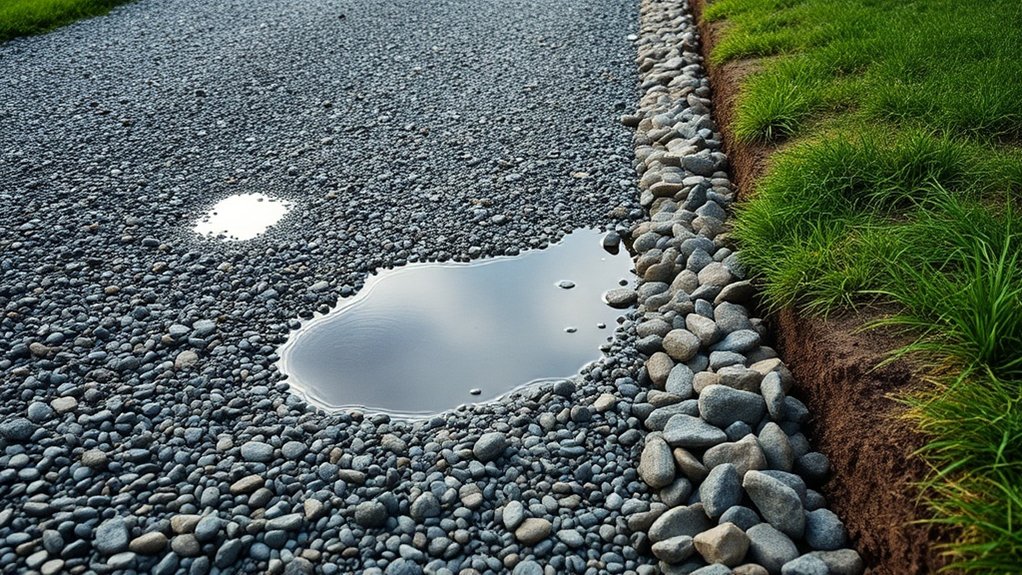
When managing water on your gravel driveway, it’s important to understand the roles of channel drains, French drains, and culverts. Each solution varies in effectiveness based on your drainage needs and landscape.
For example, channel drains work well in areas where surface water accumulates, while French drains are great for subsurface water issues.
Culverts can help manage larger volumes of water, especially if your driveway needs to cross a ditch or stream.
Channel Drain Installation
To ensure effective drainage and avoid flooding in gravel driveways, proper installation of channel drains is vital.
Start by choosing suitable materials and preparing the trench. Make sure the trench allows for a 2-inch sand bed, the correct channel dimensions, and a concrete base.
Maintain a minimum slope of 3/16-inch for every 39.4 inches of channel length to facilitate water flow. Align the grates with the surrounding surfaces, ensuring they’re slightly raised.
Use reliable techniques to connect channel sections and secure end caps. Pour concrete around the drain, ensuring it’s level and slightly sloped.
After allowing it to cure for at least 72 hours, carry out regular maintenance to prevent sediment build-up and ensure optimal drainage performance.
French Drains Effectiveness
How do French drains manage water effectively in different conditions? These drainage systems collect water along their entire length, making them ideal for heavy rainfall and areas with a high water table.
They work by using gravity to direct water through gravel-filled trenches into perforated pipes. For optimal performance, proper installation is crucial, requiring a slope of one inch for every eight feet.
French drains also prevent water pooling around foundations, protecting structural integrity. They can be adapted to handle challenges like clay soil, with modifications such as longer trenches and extra stone layers.
Regular maintenance is important too; it helps keep them clear of clogs and ensures they function effectively for years, making them a wise investment for homeowners looking to avoid water damage.
Culvert Benefits Explained
Culverts are vital in both surface and subsurface drainage systems, helping to manage water flow and prevent flooding and erosion.
Here are some key benefits of using culverts:
- Water Diversion: They redirect surface runoff, reducing the risk of water pooling and ensuring safe conditions for pedestrians and vehicles.
- Erosion Control: By managing the flow of water, culverts help protect soil from being washed away, preserving the landscape.
- Environmental Protection: Culverts facilitate the movement of aquatic life, supporting local ecosystems and maintaining biodiversity. Additionally, proper drainage solutions, such as Sustainable Drainage Systems (SuDS), enhance natural water absorption and further mitigate flooding risks.
Strategies for Erosion Control and Runoff Management
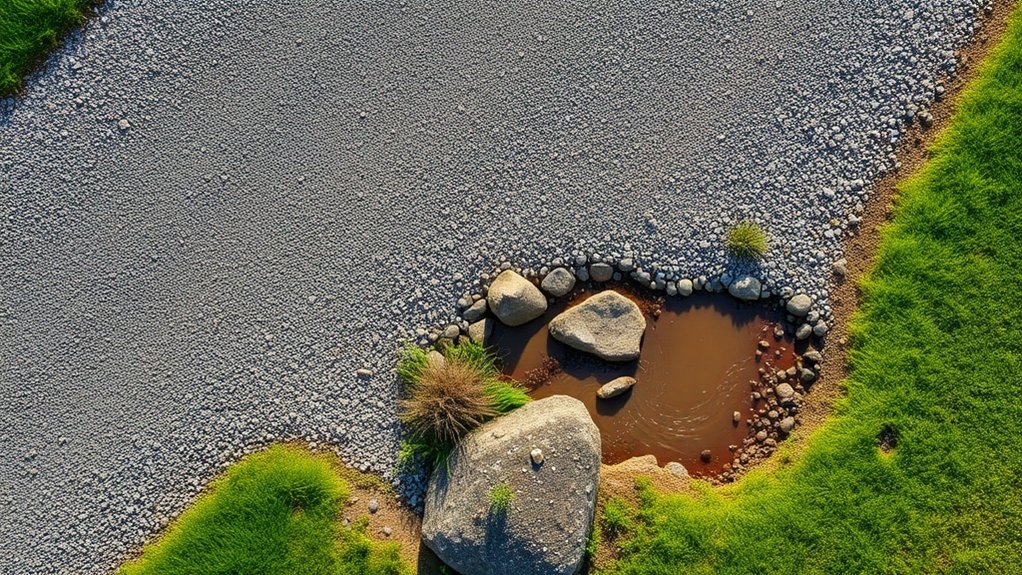
Implementing effective erosion control and runoff management strategies is crucial for preserving gravel driveways. Several innovative solutions can significantly mitigate water flow risks. For instance, using GeoGrid mats helps to disperse excess water, while permeable paving systems allow for complete stormwater infiltration. Additionally, drainage infrastructure such as culverts can manage runoff efficiently, ensuring that vehicle access remains unobstructed.
| Strategy | Benefits | Considerations |
|---|---|---|
| GeoGrid Mats | Disperses water, prevents shifting | Requires proper installation |
| Permeable Pavers | 100% permeability, durable surface | Higher initial cost |
| Drainage Structures | Interrupts water flow, reduces erosion | Needs regular maintenance |
| Angular Gravel | Improved interlock, reduces migration | Selection of appropriate size |
| Stabilisation Fabrics | Prevents erosion, maintains integrity | Installation complexity |
Environmental Benefits of Gravel Driveways
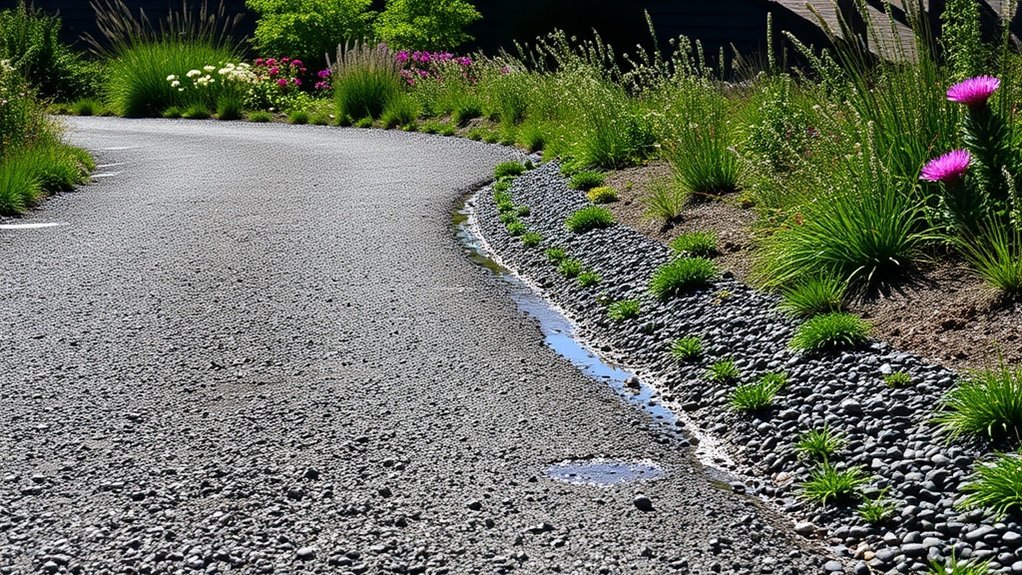
Gravel driveways provide notable environmental benefits, especially due to their water permeability and ability to recharge groundwater supplies.
By opting for gravel, you’re making a sustainable choice that supports local ecosystems. Here are some key advantages:
- Water management: Gravel allows rainwater to seep through, which reduces surface runoff and replenishes groundwater—a vital aspect of natural water cycles.
- Ecosystem support: The porous nature of gravel creates habitats for various plants and wildlife that hard surfaces can’t support.
- Lower carbon footprint: Producing gravel uses less energy, and sourcing it locally cuts down on transportation emissions, benefiting regional economies.
Choosing a gravel driveway addresses water management issues while promoting ecosystem health and sustainability.
Adapting to Climate and Site Conditions for Optimal Performance
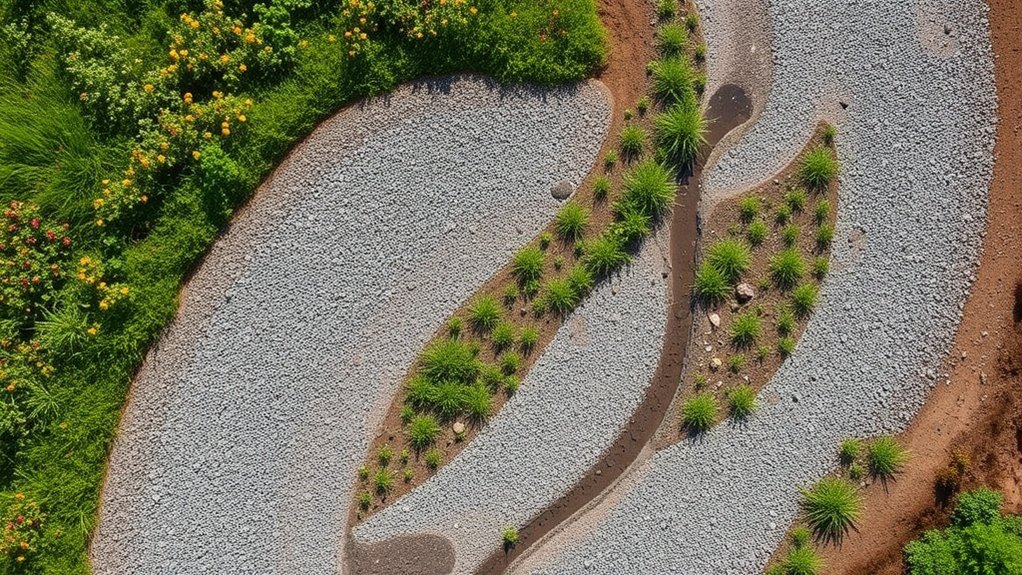
To ensure your driveway performs optimally, it’s crucial to adapt to local climate and site conditions.
Start with a comprehensive site assessment to evaluate soil type and drainage requirements. In areas with heavy rainfall, consider installing subsurface drainage systems to control excess water. Conversely, in drier regions, you might need to implement dust control methods, such as regular watering.
Ensure your driveway slopes away from any buildings and use ditches to divert water effectively.
Opt for quality materials like “crusher run” gravel and lay down geotextile fabric to enhance stability. Regular upkeep, including inspections and regrading, is essential for long-term durability.
Frequently Asked Questions
How Can I Tell if My Gravel Driveway Needs Maintenance?
To check if your gravel driveway needs maintenance, look for signs of wear such as potholes, soft spots, and erosion. Regularly inspect the surface for water pooling and uneven areas. If you notice these issues, it’s time to consider some maintenance.
What Materials Are Best for Constructing a Gravel Driveway?
When constructing your gravel driveway, choosing the right type of gravel is crucial. Aim for a depth of at least 10-15 cm using materials such as crusher run, which provides good stability and drainage.
How Often Should I Regrade My Gravel Driveway?
You should regrade your gravel driveway at least once a year for proper maintenance. If you live in an area with heavy rainfall or experience freeze-thaw cycles, consider regrading more frequently to ensure good drainage and maintain the surface’s integrity.
Can I Use Landscaping to Help With Drainage?
Yes, you can use landscaping to improve drainage. For example, installing a French drain can effectively redirect water away from problematic areas. By incorporating different drainage solutions, you can enhance your property’s resilience and protect features like your gravel driveway from flooding issues.
What Are the Costs Associated With Installing a Gravel Driveway?
Installing a gravel driveway generally costs between £1,200 and £5,000. While the upfront expense may appear steep, you’ll save on maintenance over time, as gravel driveways are durable and require less upkeep compared to alternatives like tarmac or block paving.
Conclusion
To manage water runoff on your gravel driveway, it’s crucial to use the right construction techniques and drainage solutions. Effective grading and erosion control can help prevent flooding and keep your driveway in good shape. For instance, shaping the driveway to direct water away from the surface can make a significant difference. Remember, it’s better to prevent issues than to fix them later, so adapt your methods to suit your specific site conditions. With these strategies in place, you can ensure your gravel driveway remains functional and environmentally friendly for years to come.
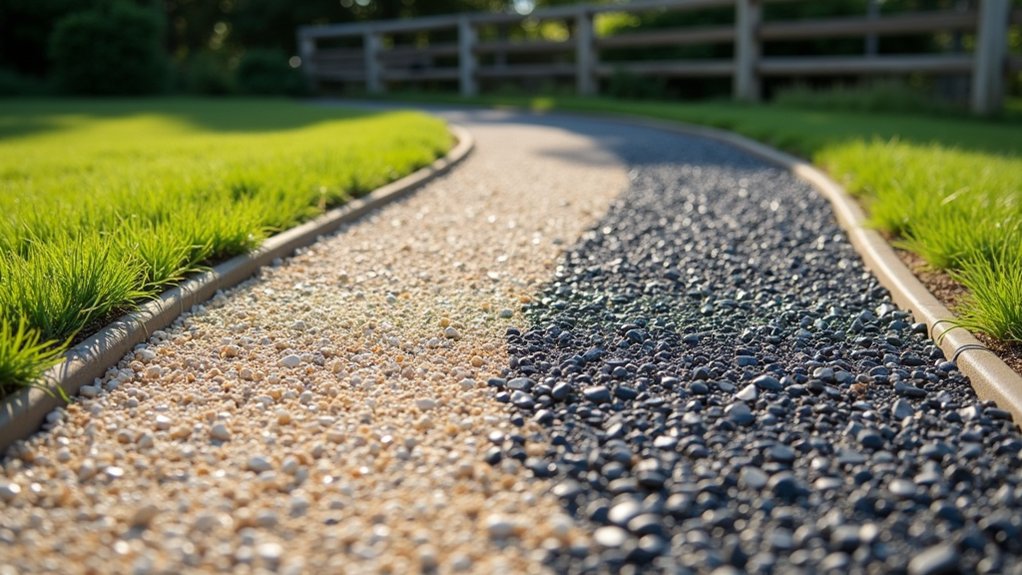
Keen to enhance your driveway with the right gravel? Discover the best types and find out which one suits your Read more
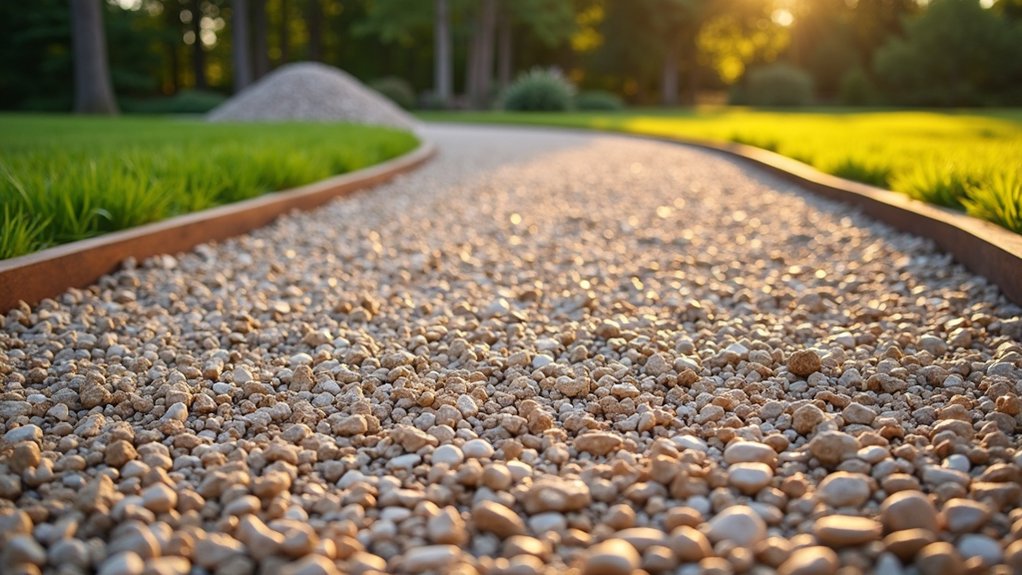
How to enhance your gravel driveway's stability and durability? Discover key strategies that can transform your drive into a long-lasting Read more
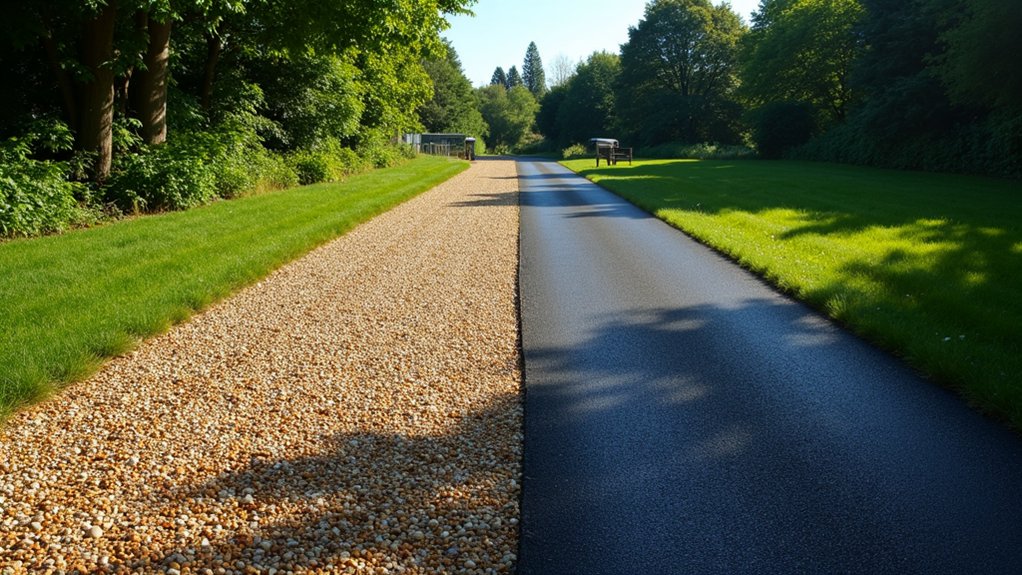
Uncover the essential differences between gravel driveways and tarmac, and find out which option truly suits your needs best.