Manchester Property Value: Does a New Driveway Increase Home Worth?
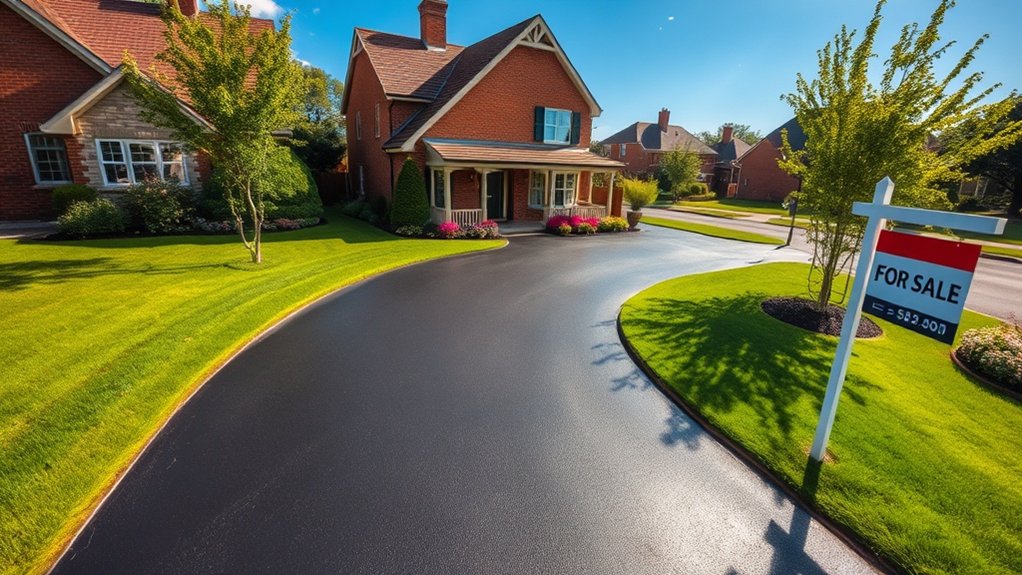
A new driveway can significantly increase your property value in Manchester, potentially adding between £5,000 and £20,000, which is about a 5–10% rise. A well-kept driveway enhances your home’s curb appeal and can help it sell quicker. The materials you choose also affect your return on investment; for instance, concrete driveways typically offer a return of 50-80%. Want to know more about the various types of driveways and their advantages? Keep reading for useful insights.
Key Takeaways
A new driveway can boost a home’s value by 5–10%, adding between £5,000 and £20,000 to the overall worth. An attractive driveway enhances curb appeal, helping properties sell faster—typically 7 to 10 days sooner than those with neglected driveways.
The material of the driveway also impacts return on investment (ROI): concrete driveways generally offer a 50-80% ROI, while paved driveways can yield a 70-80% ROI on installation costs. In urban areas where parking is limited, homes with driveways often command higher prices due to increased demand.
Maintaining driveways is essential for enhancing curb appeal and attracting buyers, making homes more desirable in the competitive Manchester property market.
The Impact of Driveways on Home Value
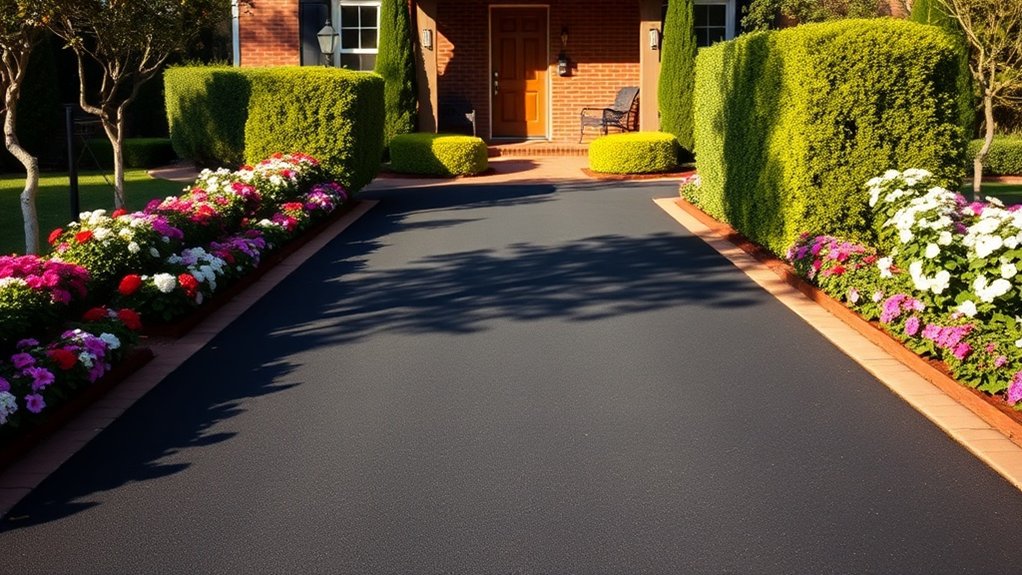
When considering home improvements, it’s important to understand how a new driveway can significantly affect your property’s value.
Studies indicate that a well-laid driveway can boost your home’s worth by around 5–10%, which could mean an increase of £5,000 to £20,000. Tarmac driveways, in particular, can offer a durable option that lasts over 20 years, adding long-term value to your investment.
Buyers tend to favour homes with appealing driveways; properties with attractive driveways often sell 7–10 days faster than those with gravel or dirt options.
Curb appeal is crucial for first impressions, and appraisers have noted that well-maintained driveways enhance the perception of “move-in readiness.” Additionally, paved driveways typically boost home value by 5–10%, depending on local norms and material choice.
Using high-quality materials can elevate your home’s status, while a worn driveway may suggest neglect, negatively impacting its value.
Therefore, investing in a new driveway can provide substantial returns.
Types of Driveways and Their Costs
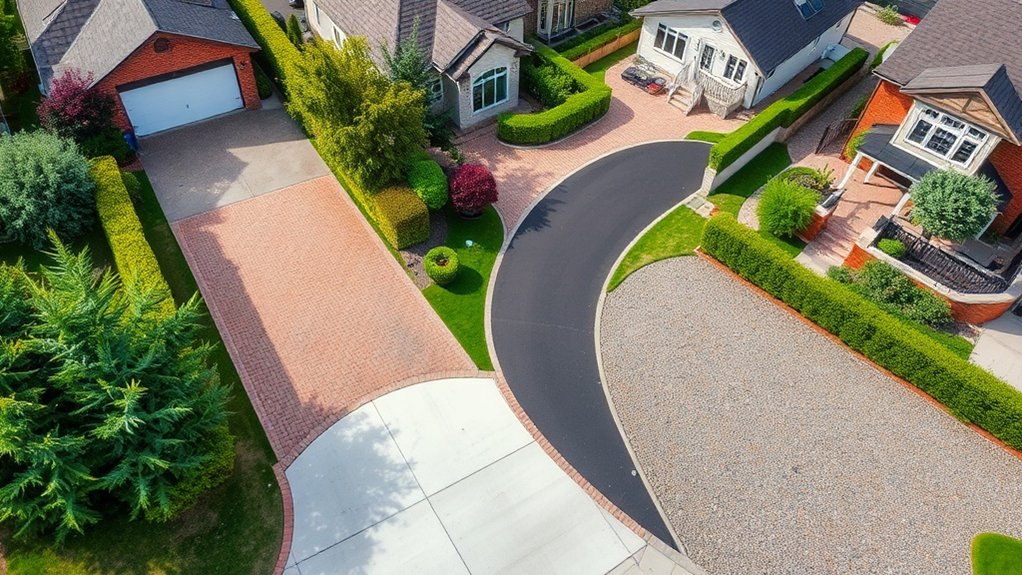
When choosing a driveway, you’ll encounter various options with differing costs and benefits.
Gravel driveways are a budget-friendly choice, typically costing between £600 and £2,600. Additionally, installing a new driveway can significantly enhance the overall value of your property. Their excellent drainage capabilities also make them a practical choice for the UK climate.
On the other hand, high-end block paving can significantly enhance your home’s appearance and value, with prices ranging from £5,000 to £35,000.
Understanding these financial aspects will help you make an informed decision that suits your property needs.
Cost-Effective Gravel Driveways
Gravel driveways are a cost-effective choice for homeowners looking to boost their property value without overspending.
The average installation cost for gravel is around £3,000, which is much cheaper than alternatives like concrete or tarmac. With costs averaging £30 per square metre, you can save significantly. For example, installing a small 20m² gravel driveway would cost about £1,400 for materials and £600 for labour. Additionally, installation typically takes about 2 days to complete, making it a quick solution for enhancing your home. However, it’s important to note that neighborhood standards can significantly influence how a gravel driveway affects your property value.
Gravel driveways are easy to maintain and can suit various property styles, enhancing your home’s curb appeal.
Premium Block Paving Options
Premium block paving options are an excellent choice for homeowners looking to boost the appearance and value of their properties.
If you’re considering block paving, durable concrete options range from £20 to £60 per m². For a more traditional look, clay pavers usually cost between £70 and £130 per m².
If you’re after high-end aesthetics, natural stone options like sandstone and granite are available, but they come with higher maintenance requirements and costs, averaging £50 to £105 per m².
Permeable paving systems have environmental benefits but can complicate installation.
Decorative blocks can create intricate designs, though they may significantly increase costs.
Location Factors Affecting Property Value
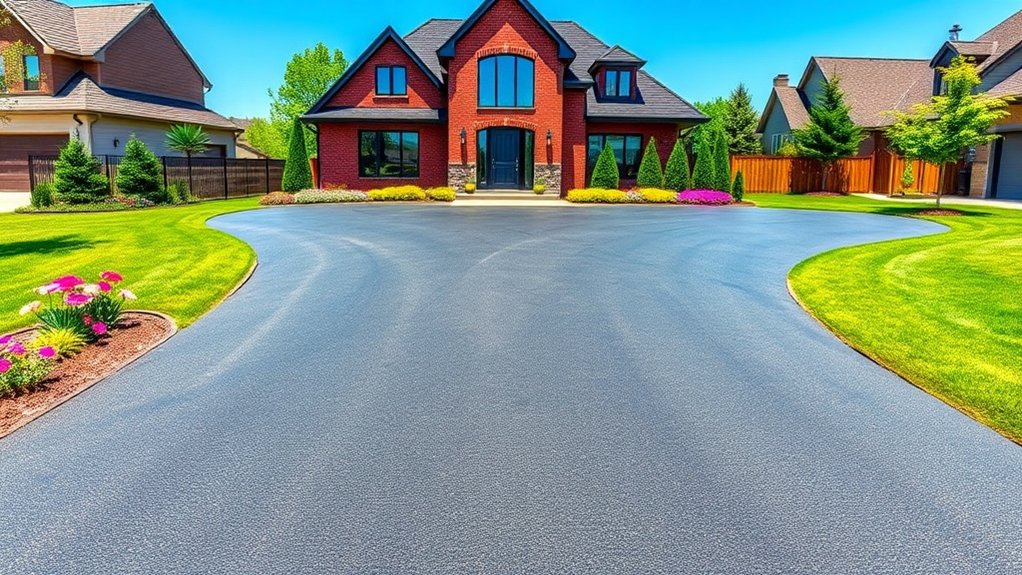
When assessing property value, the scarcity of urban parking significantly influences how much buyers are willing to pay for homes with a driveway.
In areas where free parking is hard to come by, having a private driveway can be a major selling point, boosting market appeal and potential sale price.
However, if there’s plenty of free parking available nearby, the value added by a driveway may lessen.
Thus, location plays a crucial role in determining property worth.
Urban Parking Scarcity
Urban parking scarcity significantly impacts property values in Manchester, especially as the city faces a rising population and heightened demand for space. The inefficiency of surface car parks occupies 30 acres of valuable urban land, restricting mixed-use development and limiting housing options.
| Factor | Impact on Property Value |
|---|---|
| Land Occupation | High potential for redevelopment |
| Parking Search Time | Costs drivers time and money |
| Commercial Vehicle Needs | Affects local businesses |
| Urban Growth Pressure | Increases demand for parking |
| Driver Behaviour | Influences shopping and appointments |
Implementing effective parking solutions and optimising parking space is essential to tackle these issues. By creating more usable space, we can ultimately enhance property values in the city.
Nearby Free Parking
Many homeowners may not realise how nearby free parking can significantly impact property values.
Free parking is linked to higher car ownership rates, making homes in these areas more attractive. As car ownership rises, so do parking costs, which can drive up housing prices. For example, single-family homes with off-street parking sold for nearly 12% more than those without.
Moreover, cities that removed parking minimums experienced a 20% decrease in adjusted rents, showing that free parking can improve housing affordability.
Ultimately, the availability of nearby free parking not only influences car ownership but also plays a crucial role in your property’s market value. It’s important to consider this factor when assessing real estate investments.
Planning Regulations for Driveway Installation
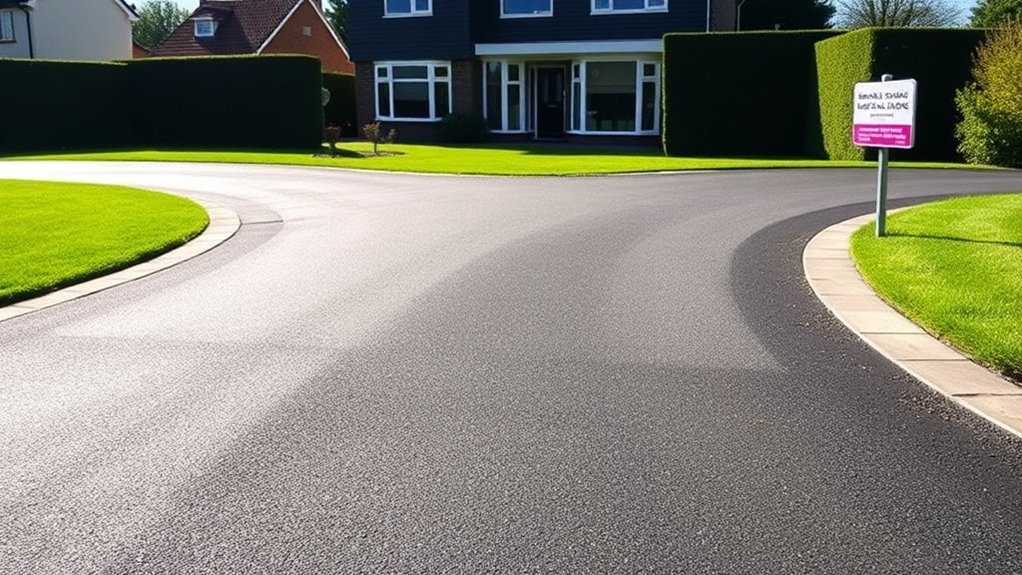
Planning regulations for driveway installation can be tricky, as they differ depending on your local council and the specifics of your property.
If you want to lay an impermeable surface in your front garden, you’ll generally need planning permission unless it’s permeable or drains into a permeable area. For non-permeable surfaces larger than 5 m², this requirement usually applies.
If your home is in a conservation area or has had permitted development rights removed, you’ll almost certainly need formal consent, no matter what materials you choose.
Additionally, if you’re creating a new access point from a public road, you may need separate planning or highway approval.
It’s always best to check with your local planning authority for the most accurate requirements and consider asking for pre-application advice to clarify your situation.
Maintenance and Security Considerations
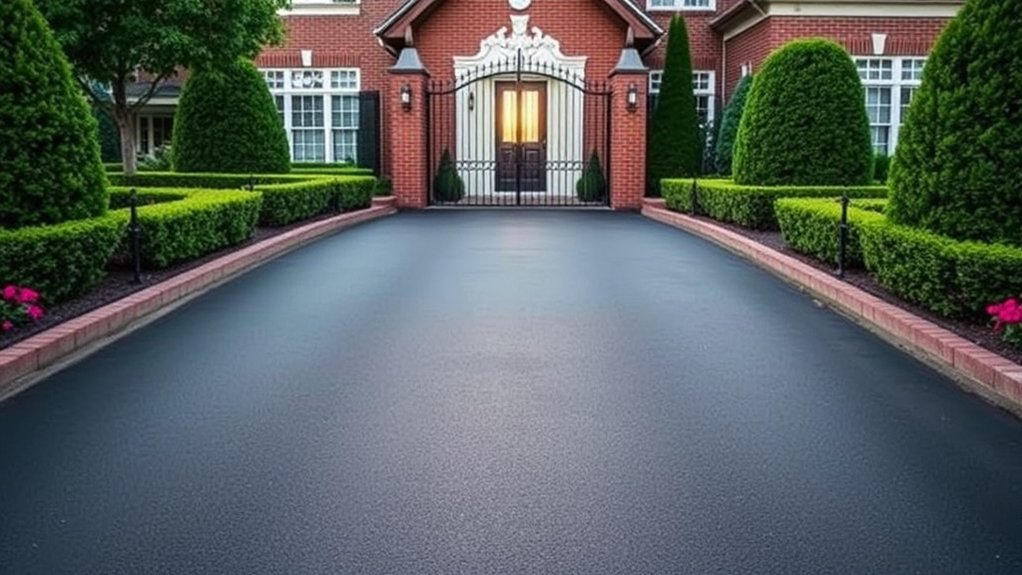
Maintaining your driveway may seem like a small task, but ignoring it can have serious consequences for your property’s value and safety. Regular upkeep not only improves curb appeal but also enhances safety. A well-maintained driveway reduces hazards, lowers the risk of accidents, and shows potential buyers that you take pride in your home.
| Maintenance Task | Frequency |
|---|---|
| Seal asphalt driveways | Every 3-5 years |
| Clean concrete driveways | Annually |
| Regrade gravel driveways | Annually |
| Clean block pavers | Annually |
| Power wash eco-friendly surfaces | As needed |
Investing in these maintenance tasks ensures your driveway remains functional and attractive, ultimately protecting your property’s value and boosting its appeal on the market.
Return on Investment for Driveway Upgrades
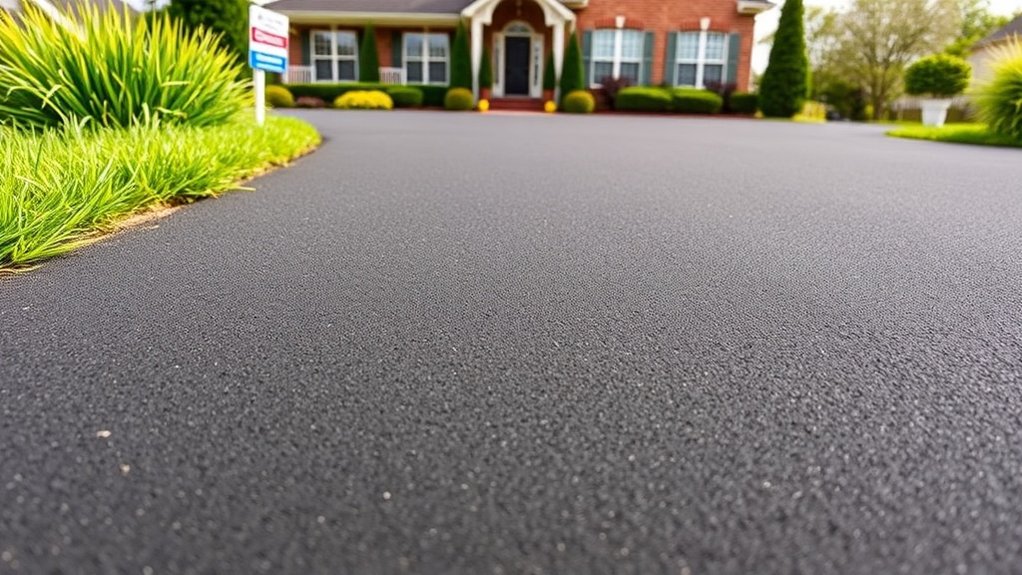
Upgrading your driveway can significantly boost your property’s value, making it a wise investment for homeowners. The return on investment (ROI) varies depending on the material and current condition. Here’s a straightforward ROI comparison:
- Concrete driveways offer a ROI of 50-80% and can increase your home’s value by 5-10%.
- Paved driveways provide a solid 70-80% ROI, enhancing both aesthetics and overall appeal.
- Asphalt driveways yield a reliable 65-75% ROI, particularly in areas where paved surfaces are rare.
Investing in a new driveway can add around £10,000, especially if the existing one is in poor condition.
Moreover, a well-maintained driveway can facilitate quicker sales and attract more potential buyers, making it a strategic choice for improving property value.
Frequently Asked Questions
How Long Does a New Driveway Typically Last?
A new driveway usually lasts between 15 to 30 years, depending on the materials used and how well it’s maintained. Asphalt needs regular sealing to keep it in good condition, while concrete can last over 30 years with proper care. Paved driveways are also durable but tend to be more expensive.
Can I Install a Driveway Myself for Cost Savings?
You can install a driveway yourself to save money, potentially cutting labour costs by 30-50%. By using budget-friendly materials like gravel, you can create an affordable driveway while taking on a rewarding DIY project that enhances your property.
What Is the Best Driveway Type for Resale Value?
For resale value, resin or patterned imprinted concrete driveways are excellent choices. These surfaces not only improve your property’s appearance but can also increase its value by 5-10%. Opting for these materials can be a smart long-term investment for homeowners in the UK.
Are There Any Eco-Friendly Driveway Options Available?
When considering eco-friendly driveways, you’re in for a treat! Permeable pavers made from recycled materials provide a sustainable solution. They help reduce runoff and encourage groundwater recharge, all while improving the look of your property.
How Does Driveway Design Affect Curb Appeal?
Driveway design plays a crucial role in enhancing curb appeal. Using high-quality materials and popular design trends, such as stone borders or block paving, can significantly improve the look of your property. For instance, a well-designed driveway not only attracts attention but can also boost the perceived value of your home, influencing potential buyers and making your property more competitive in the market.
Conclusion
In summary, a new driveway can improve your home’s curb appeal, increase accessibility, and potentially raise its value. Selecting suitable materials, considering local conditions, and following regulations are essential for making a sound investment. Regular upkeep ensures durability, while added security features enhance peace of mind. Whether you’re upgrading for personal enjoyment or preparing for a future sale, a well-designed driveway can significantly impact your property’s overall worth.
How can a tarmac driveway enhance your home's appeal? Discover the key aspects of cost, installation, and maintenance in our Read more
Wondering if a tarmac driveway is the perfect fit for your home? Uncover the essential pros and cons before making Read more
Not sure if you can lay tarmac over your existing driveway? Discover the crucial steps and benefits you need to Read more