
How to Maintain Your Tarmac Driveway in Manchester
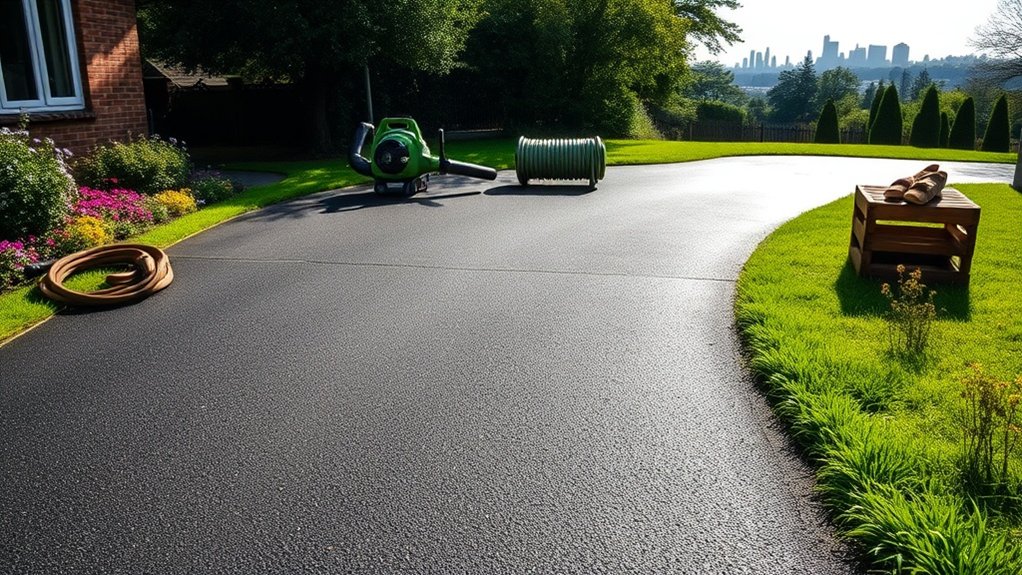
To keep your tarmac driveway in Manchester in good shape, sweep it regularly to remove leaves and debris, and give it a good hose down each month. Deal with stains as soon as they appear to maintain its look. In spring, pressure wash the surface, and in summer, apply a sealant for UV protection.
Keep an eye out for cracks, water pooling, or any surface wear—tackle these issues quickly to avoid expensive repairs later on. If you find potholes deeper than 75 mm or significant damage, it’s best to call in a professional. Follow these straightforward tips for a durable driveway.
Key Takeaways
- Sweep your driveway regularly to clear debris and prevent dirt accumulation, especially during Manchester’s rainy spells.
- Give it a good hose down once a month to keep it looking smart.
- Apply sealant on dry summer days to safeguard against UV damage and enhance durability.
- Tackle stains promptly with appropriate cleaners to prevent lasting discolouration.
- Regularly check for cracks and surface damage, and seek professional assistance for serious issues like deep potholes or drainage concerns.
Understanding the Durability of Tarmac Driveways
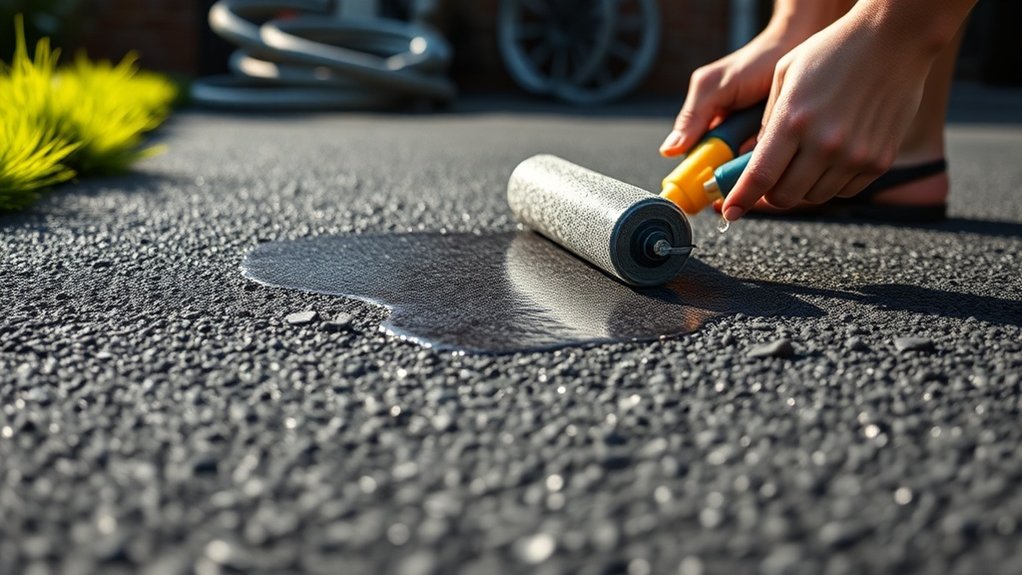
When considering a tarmac driveway, it’s important to grasp its durability, as several factors affect its lifespan and performance. Generally, a well-installed tarmac driveway can last between 15 to 20 years, but with top-notch installation, it may even exceed 25 years. Key elements such as the strength of the base and proper drainage are crucial for longevity. A solid 3-inch layer of hot mix asphalt is essential; thinner layers can deteriorate within 8 to 10 years. Moreover, local weather conditions and the amount of traffic can significantly influence wear and tear. By understanding these factors, you can make informed choices about your driveway, ensuring it lasts longer and maintains its strength for years to come. Additionally, routine maintenance practices like crack filling and seal coating can further extend the lifespan of your tarmac driveway. Regular inspections and timely repairs can significantly impact the durability of your driveway.
Routine Cleaning and Maintenance Tips
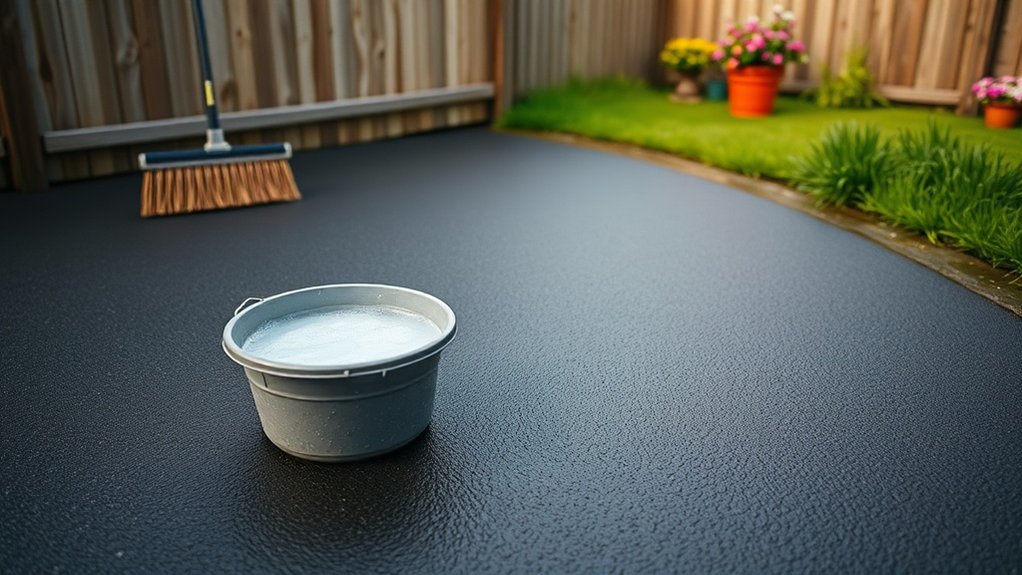
To keep your tarmac driveway in top shape, regular sweeping is key to removing loose debris and preventing dirt build-up. Use a stiff-bristled broom to effectively sweep away leaves and grit. It’s also a good idea to hose down the surface once a month to keep it clean. For any stains, treat them promptly with suitable cleaning solutions to avoid lasting damage and maintain the driveway’s appearance. Regular maintenance ensures that your tarmac driveways remain durable and visually appealing over time, as proper care can significantly extend their lifespan from 15-20 years to 30-40 years.
Regular Sweeping Guidelines
Regular sweeping is crucial for keeping your tarmac driveway looking its best and maintaining its durability. Aim to sweep at least once a week to prevent debris build-up. During autumn, increase this frequency to manage fallen leaves effectively. Regular sweeping helps to prevent long-term damage and extends the lifespan of the driveway. Additionally, maintaining a clean driveway reduces moisture retention that can lead to deterioration.
| Task | Frequency |
|---|---|
| General sweeping | Weekly |
| Leaf removal | Weekly (autumn) |
| Monthly cleaning | Monthly |
| Debris disposal | After each sweep |
| Edge maintenance | Monthly |
Be sure to collect and dispose of all debris properly to prevent attracting pests and avoid seepage into cracks. Regular sweeping not only improves the driveway’s appearance but also extends its life by preventing moisture retention and deterioration.
Stain Removal Techniques
Stains on your tarmac driveway can spoil its appearance and cause damage if not addressed. To effectively remove stains, start with fresh oil spills by applying cat litter or baking soda to soak up the excess oil.
Leave it for 30-60 minutes, then scrub with a stiff-bristled brush. For tougher stains, use a commercial degreaser or mix dish soap with hot water, allowing it to work for 5-30 minutes before scrubbing.
You can also make a paste with baking soda and water for oil or rust stains, letting it sit before scrubbing. For unusual cleaning options, WD-40 or cola can be effective on dry stains.
Always rinse the area thoroughly with a hose or pressure washer to keep your driveway looking clean and well-maintained.
Identifying and Addressing Common Issues
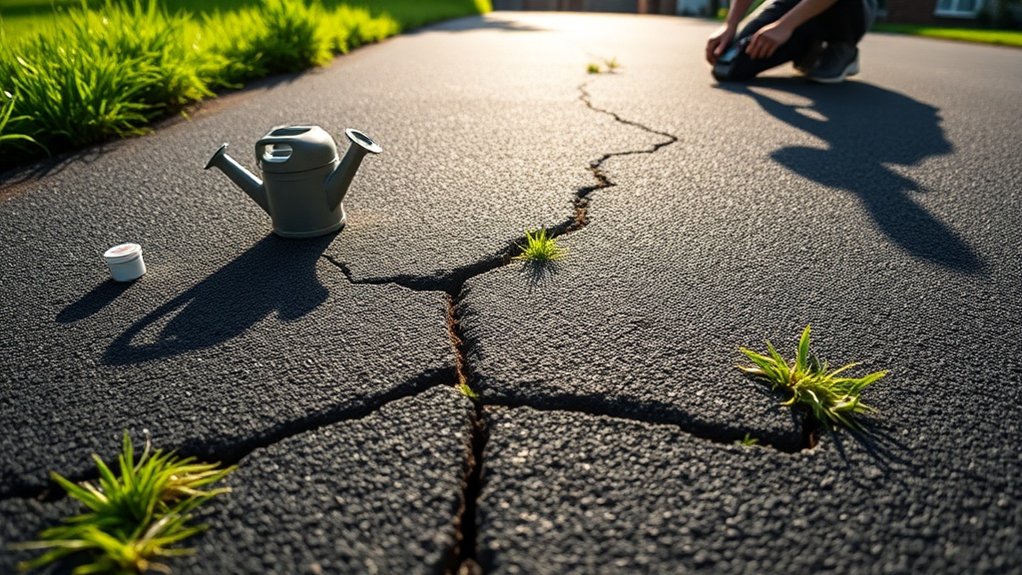
To keep your tarmac driveway in good condition, it’s important to spot surface damage early and use effective pothole repair methods.
Regular upkeep not only improves the look of your driveway but also prolongs its life.
Recognizing Surface Damage
Recognising surface damage on your tarmac driveway is crucial to avoid expensive repairs later on.
Here are three key signs to look for:
- Surface Cracking: Watch for alligator cracks, thermal splits, or edge cracks. These often indicate issues like poor drainage or insufficient support beneath the surface.
- Water Pooling: Notice areas where water gathers after rain. This could suggest improper grading or depressions, which can lead to erosion and further damage.
- Surface Deterioration: Look for fading colour, raveling, or spalling. These signs point to oxidation and loss of binder, making the surface more vulnerable to structural problems.
Regularly checking your driveway can help you spot these issues early and maintain its condition.
Pothole Repair Techniques
Addressing potholes on your tarmac driveway is crucial for maintaining its integrity and appearance. Here’s a summary of pothole repair techniques to consider:
| Repair Type | Materials Used | Best For |
|---|---|---|
| Temporary Repair | Cold patch asphalt | Quick fixes |
| Semi-Permanent Repair | Hot mix asphalt | Busy roads |
| Long-Term Repair | Polymer-modified mixes | Areas with freeze-thaw cycles |
| Edge Preparation | Tack coat or primer | Enhanced adhesion |
| Compaction Method | Plate compactor | Professional finish |
Choose the right repair materials based on the pothole size and traffic levels. Always prepare the area by cutting clean edges and ensuring a good bond to avoid future problems.
Routine Maintenance Tips
After addressing potholes, maintaining your tarmac driveway requires regular checks and quick action on common issues.
Here are some essential maintenance tips to extend the life of your tarmac and ensure proper drainage:
- Identify and Seal Cracks: Look for small cracks and seal them promptly to stop water from seeping in and causing further damage.
- Remove Weeds and Debris: Regularly clear away weeds and debris to prevent stains and root growth that can damage the surface.
- Clean the Surface: Sweep your driveway weekly and give it a thorough pressure wash once a year. For oil stains, use a mild detergent, but steer clear of harsh chemicals.
The Importance of Sealing Your Driveway
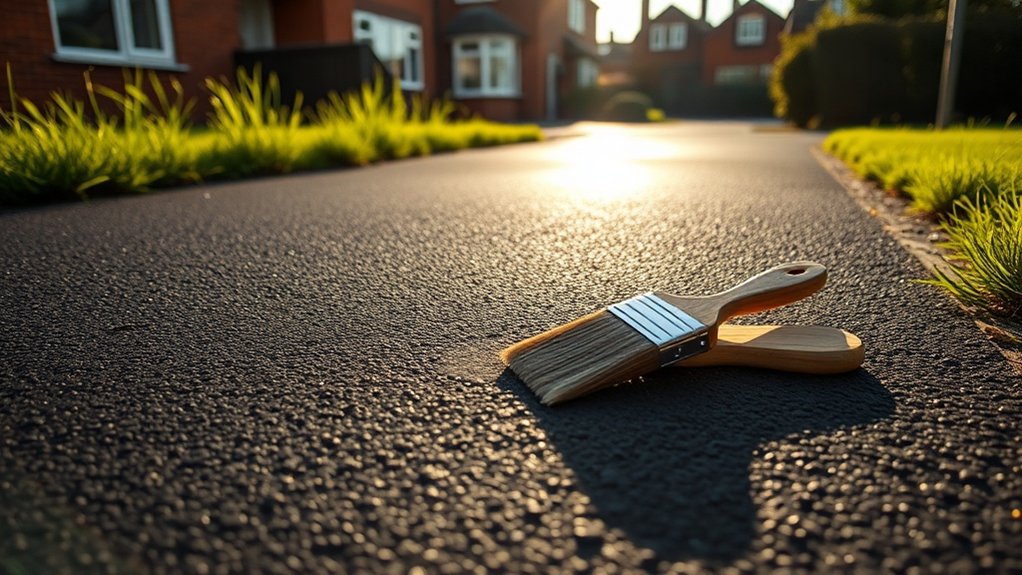
Sealing your tarmac driveway is crucial for its longevity and appearance. The benefits are significant; it forms a protective layer that stops water from seeping through cracks, which helps prevent erosion and damage from heavy rain—something particularly important in Manchester’s weather.
It also shields against UV rays, helping to maintain the deep black colour of your driveway and preventing sun-related fading over time. Furthermore, sealing provides resistance to stains and chemicals, making it easier to clean up oil spills and leaks.
This straightforward process can extend your driveway’s lifespan by up to 30%. By investing in sealing, you not only cut down on future repair costs but also enhance your property’s curb appeal, making your driveway more attractive and functional.
Repairing Potholes and Cracks Effectively
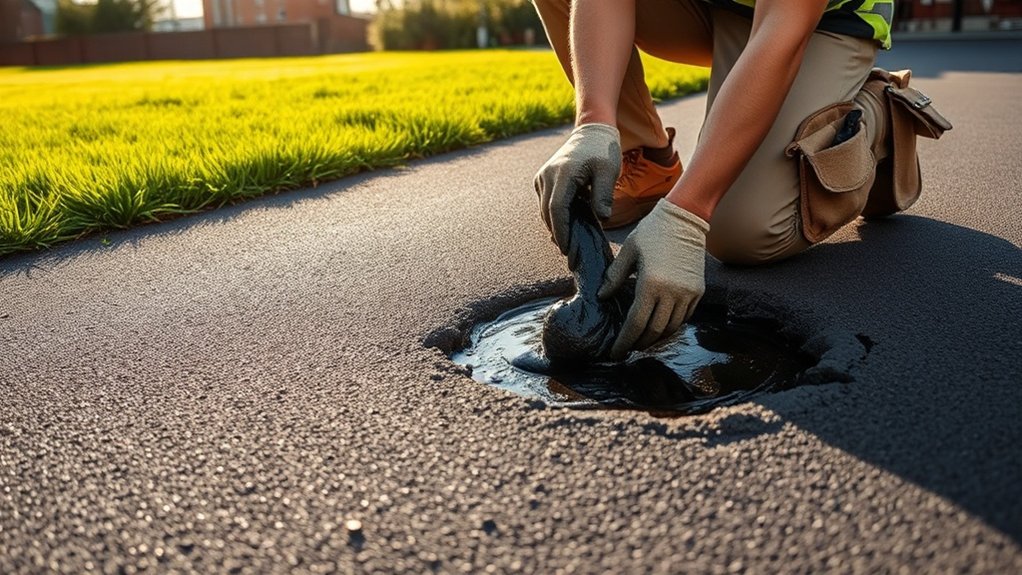
Maintaining your tarmac driveway involves not just sealing it but also quickly repairing any potholes and cracks that appear over time. Proper repairs ensure your driveway lasts longer and remains safe.
Here’s how to effectively fill cracks and excavate potholes:
- Surface Preparation: Start by clearing away any debris from the cracks and pressure wash the area. For stubborn dirt, use a stiff broom, and apply a surface cleaner to remove any algae or weeds.
- Pothole Excavation: Cut a square around the damaged area and dig down to the subsoil. Make sure to remove any old tarmac and square off the edges for better stability.
- Filling and Compaction: Fill the hole with a high-quality mix in layers, compacting each layer until it’s level with the surface. Slightly overfill to allow for settling.
Seasonal Maintenance Considerations
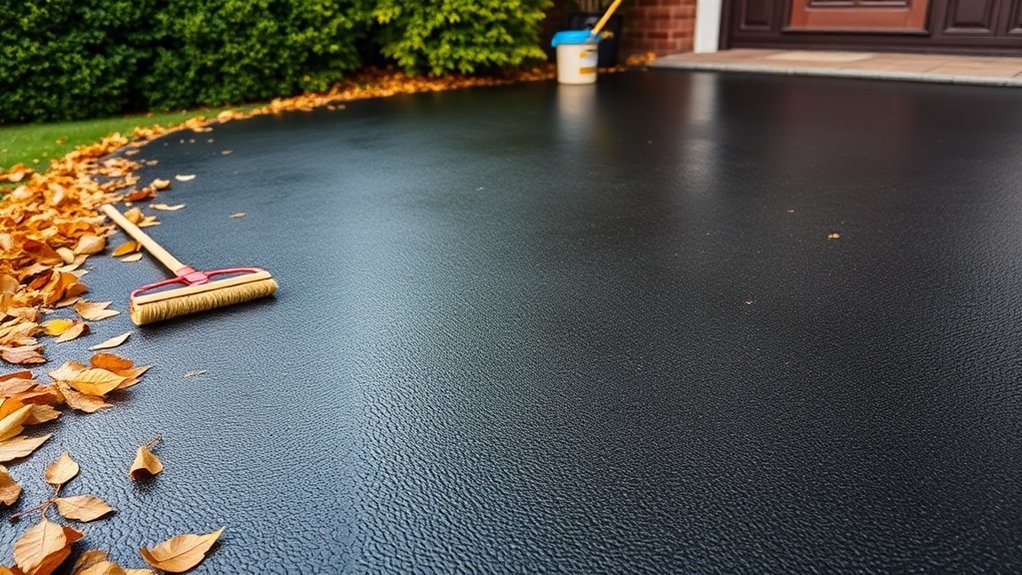
As the seasons change, your tarmac driveway needs specific maintenance to address the unique challenges each weather pattern brings.
In spring, pressure wash to remove winter grime and treat any weeds to prevent moss growth.
Check for stains and ensure proper drainage to avoid water damage.
During summer, apply sealant on dry days to protect against UV damage and sweep regularly to keep debris at bay.
In autumn, clear fallen leaves weekly to prevent moisture build-up, which can lead to issues.
Winter requires extra caution; avoid using rock salt and gently clear ice while addressing any cracks.
Staying proactive with these seasonal tasks will help maintain your driveway’s integrity and appearance, extending its lifespan throughout the year.
When to Seek Professional Help

When it comes to maintaining your tarmac driveway, regular upkeep can often resolve minor issues.
However, there are certain situations that require professional assistance. Here are some key scenarios to consider:
- Structural Failures: If you notice potholes deeper than 75 mm or widespread sinking, it’s time to call in a professional. Ignoring these can lead to more extensive damage.
- Drainage Issues: If your driveway consistently pools water after rain, this could indicate blocked drainage. Prompt repairs are essential to prevent long-term problems.
- Safety Risks: Cracks or uneven surfaces that create tripping hazards should be dealt with immediately. This not only ensures safety but also reduces your liability.
Don’t hesitate to reach out to experts when facing these significant concerns; their knowledge will help keep your driveway safe and functional.
Enhancing the Aesthetic Appeal of Your Driveway

To enhance the aesthetic appeal of your tarmac driveway, follow a straightforward approach that includes surface cleaning, edge definition, and cosmetic repairs. Regular upkeep not only boosts the look of your driveway but also significantly enhances your home’s curb appeal.
Here’s a brief overview:
| Aspect | Action | Benefits |
|---|---|---|
| Surface Cleaning | Pressure wash and remove stains | Eliminates dirt, brightens colour |
| Edge Definition | Install clean edging | Clearly defines boundaries, prevents spreading |
| Cosmetic Repairs | Seal cracks and apply an overlay | Restores smoothness, refreshes appearance |
Frequently Asked Questions
How Often Should I Seal My Tarmac Driveway?
You should seal your tarmac driveway every 2 to 4 years, depending on its condition. Regular checks and timely maintenance can help you decide how often to seal it for optimal protection against wear and the elements. For example, if your driveway sees a lot of traffic or is exposed to harsh weather, you might need to seal it more frequently.
Can I Park Heavy Vehicles on a Tarmac Driveway?
You can park heavy vehicles on a tarmac driveway, but you need to be mindful of weight limits. Ensure your driveway can handle the weight to avoid issues like ruts or cracks. For instance, if your driveway is designed for standard cars, parking a large van or lorry might cause damage. Always check the specifications before parking heavy vehicles.
Will Tarmac Driveways Stain From Oil or Chemicals?
Tarmac driveways can be easily stained by oil and chemicals. When spills occur, they seep into the surface, leading to degradation and making your driveway look unkempt. It’s similar to a fresh patch of tarmac being marred by an unsightly oil mark—definitely not the impression you want to give. To keep your driveway looking its best, it’s important to clean up any spills promptly.
How Do Temperature Fluctuations Affect Tarmac Durability?
Temperature fluctuations significantly impact the lifespan of tarmac. When temperatures rise, the surface can soften, and when they drop, it becomes brittle. This cycle of expansion and contraction leads to cracks, accelerating wear and compromising structural integrity. For example, a hot summer followed by a freezing winter can cause serious damage. Regular monitoring and maintenance are crucial to prolonging the life of tarmac surfaces.
Is It Safe to Use Salt on Tarmac During Winter?
Using salt on tarmac in winter? Think again; it could lead to a pothole nightmare! Instead, opt for calcium chloride or sand for better tarmac maintenance. Keep your driveway in good shape by taking the right winter precautions.
Conclusion
In summary, maintaining your tarmac driveway is essential for ensuring its longevity and appearance. With regular care, you can stop small problems from turning into bigger issues. Simple tasks like sealing, cleaning, and making timely repairs will help your driveway withstand Manchester’s unpredictable weather. By keeping on top of maintenance, you can ensure your driveway remains in good shape and a point of pride in your neighbourhood.
Optimize your tarmac driveway's appearance with simple maintenance tips, but discover the crucial secrets that can extend its lifespan even Read more
Find out effective methods to keep weeds at bay on your tarmac driveway and discover the crucial steps you need Read more
How to extend the life of your tarmac driveway starts with simple maintenance techniques that can lead to surprising results Read more